Engagement
This or that: a Gulf Coast sunset cruise or a sunrise run up US-19. Pick one and tell us why. #RideNationFL #FloridaRiders #GulfCoast
Giveaway & Countdown
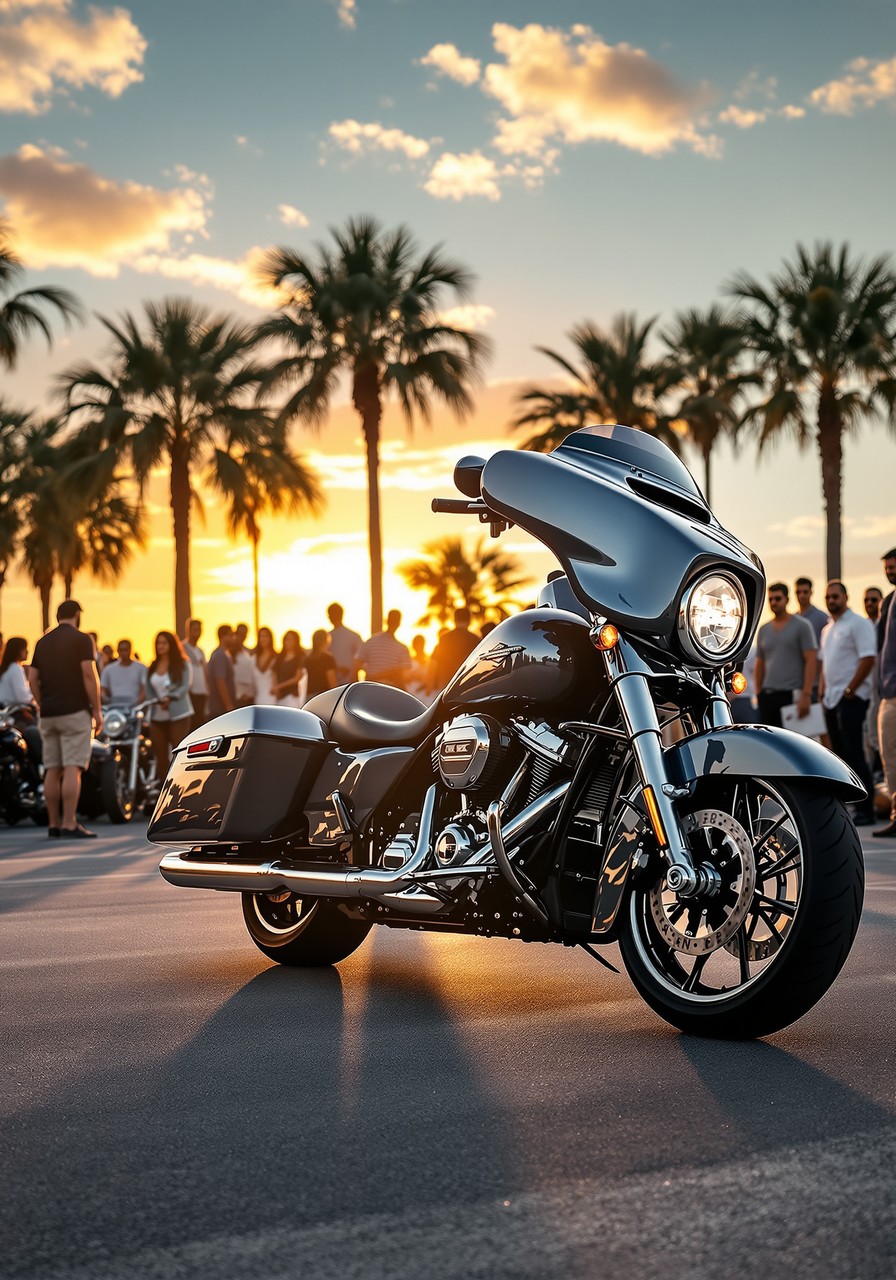
$20,000 toward any bike you want. That is the BikersWin giveaway, and it is free to enter. Link in comments. #RideNationFL #BikersWin #20kGiveaway
Local FL & Rides
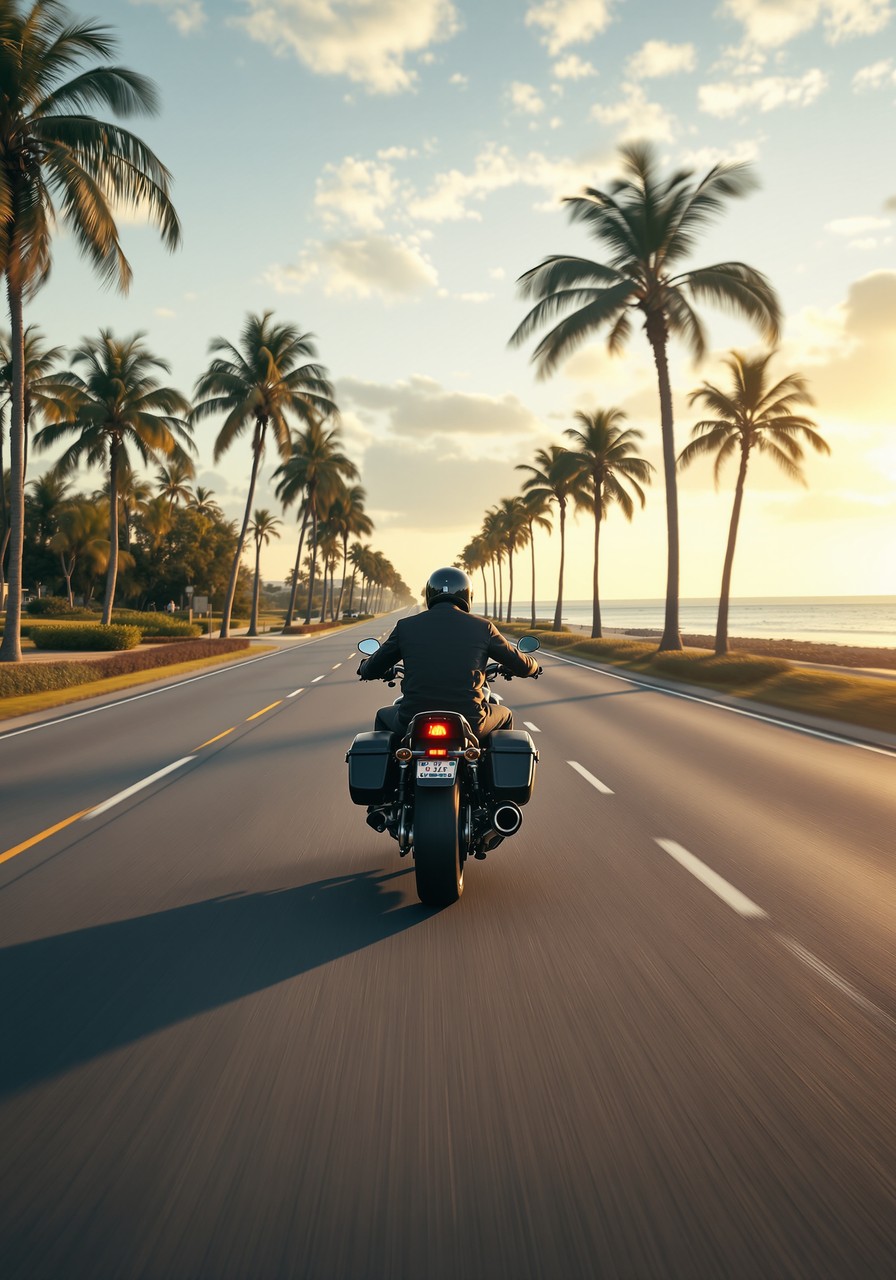
Sunshine Skyway Bridge at sunrise, that long climb over Tampa Bay with the water going gold on both sides. Worth the early alarm. #RideNationFL #SunshineSkyway #TampaBay
Gear & New Iron
Florida lets you ride without a helmet at 21 if you carry $10,000 in medical coverage. Legal and smart are not the same thing. A DOT helmet is still the call. #RideNationFL #GearUp #ATGATT
Safety & FL Law
Florida fact most riders miss: PIP does NOT cover motorcyclists. A car driver gets PIP for their own bills, you do not. That is why strong health coverage and UM/UIM matter. Questions? Jason Melton, Whittel & Melton, no cost to talk. 352-666-6666. #RideNationFL #FloridaLaw #UninsuredMotorist
Engagement
Tag your ride-or-die. The one who always answers when you say let's ride. #RideNationFL #RideOrDie #TampaBay
Giveaway & Countdown
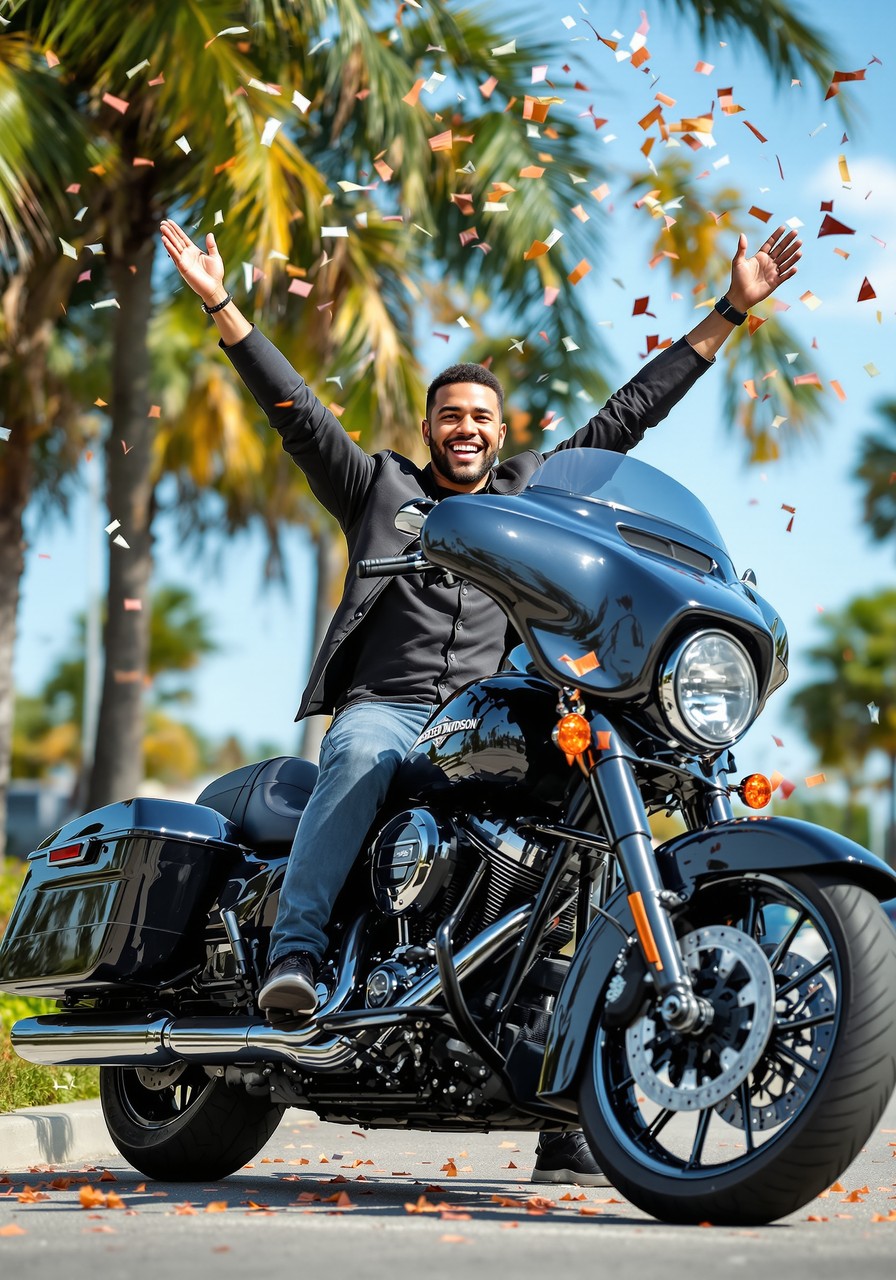
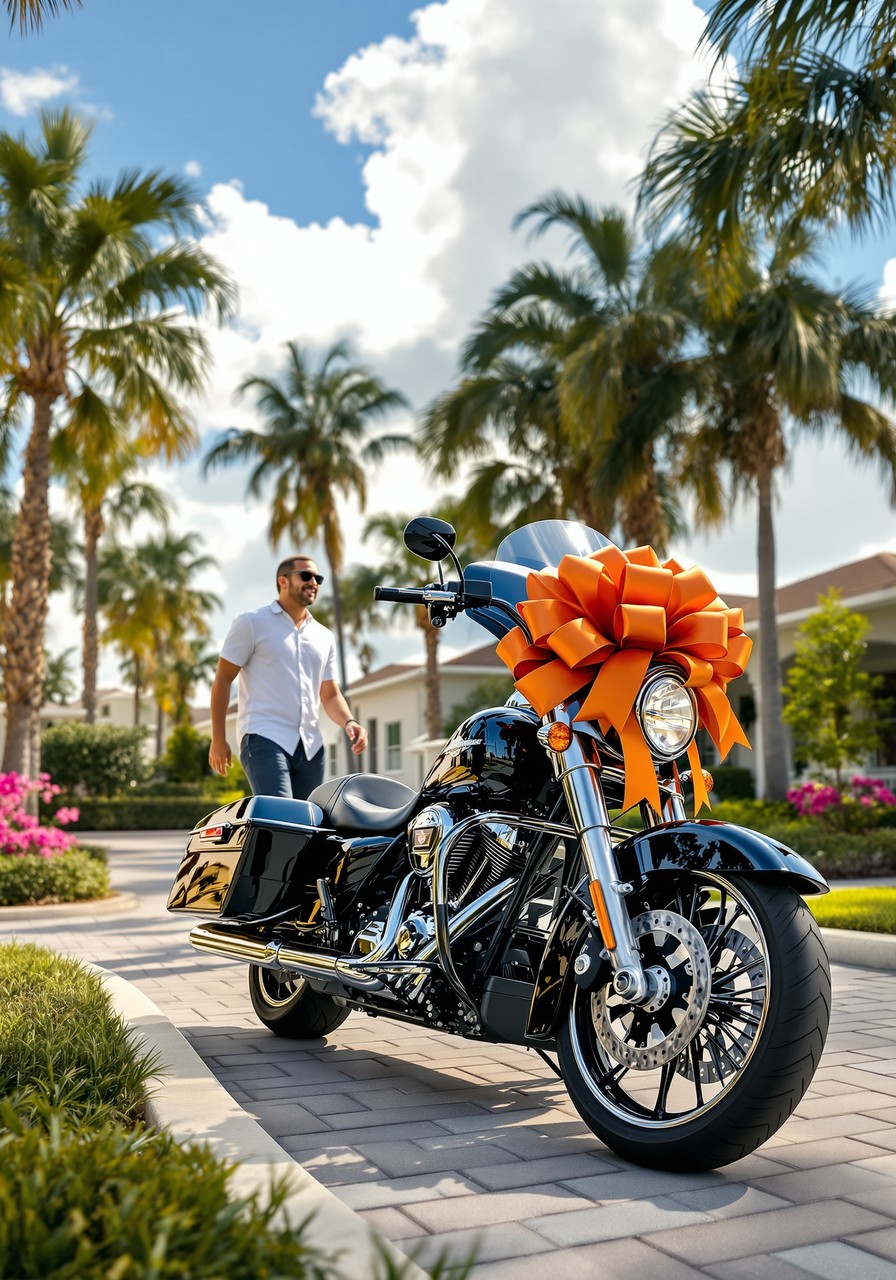
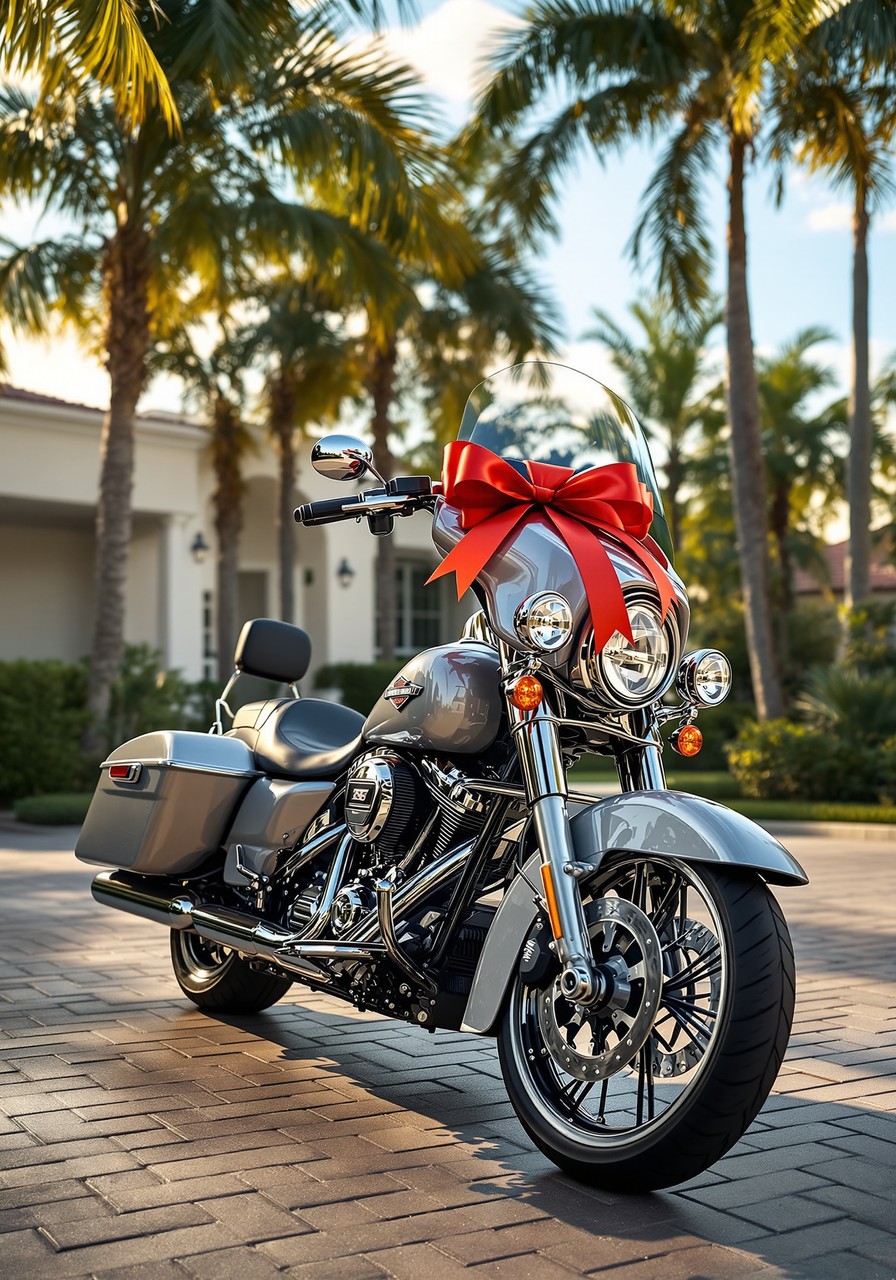
Imagine rolling out of the dealership on a brand new machine you did not pay for. One rider gets $20,000 on December 10. Entry link in the comments. #RideNationFL #MotorcycleGiveaway #WinABike
Local FL & Rides
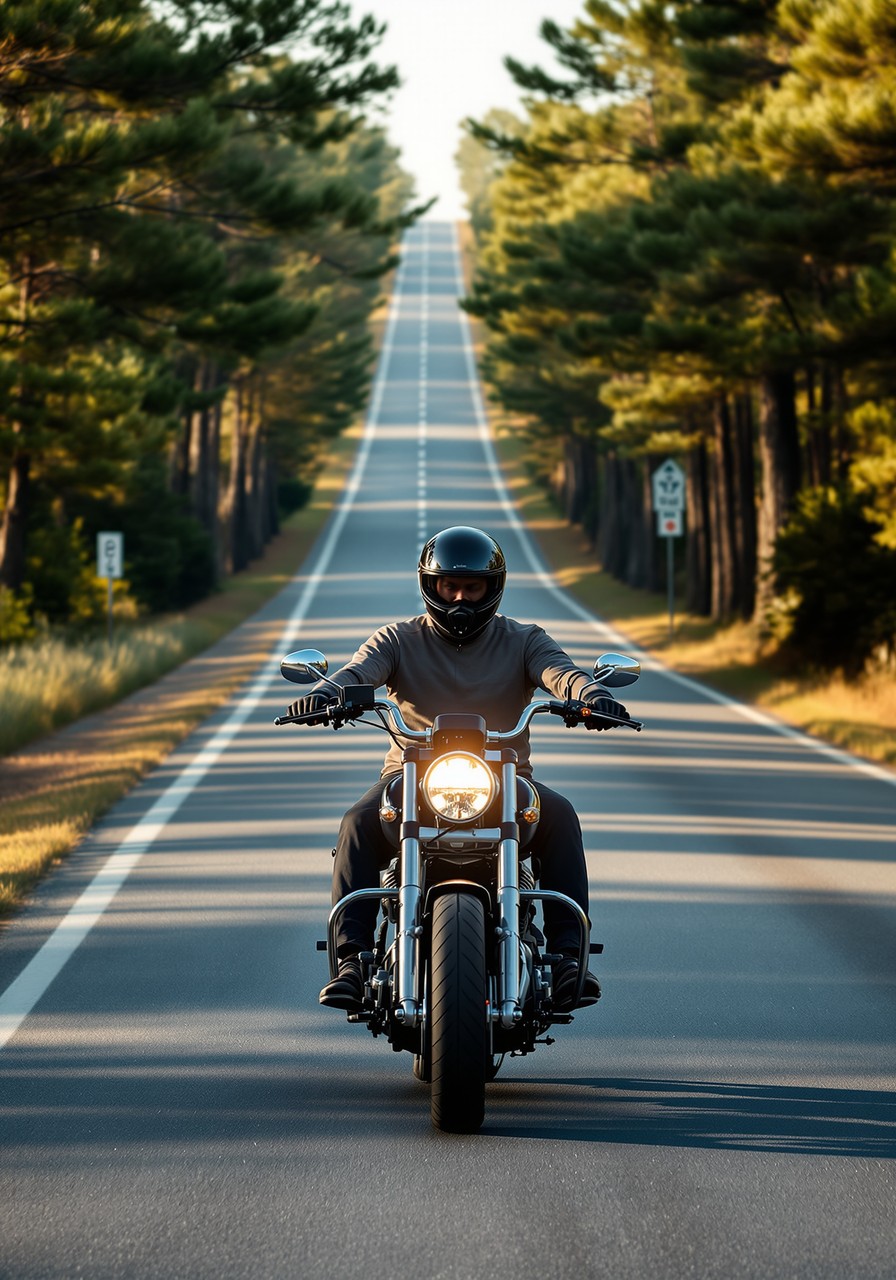
Courtney Campbell Causeway on a clean morning, bay on both sides and a straight shot between Tampa and Clearwater. Watch the crosswind on the open stretch. #RideNationFL #TampaBay #GulfCoast
Gear & New Iron
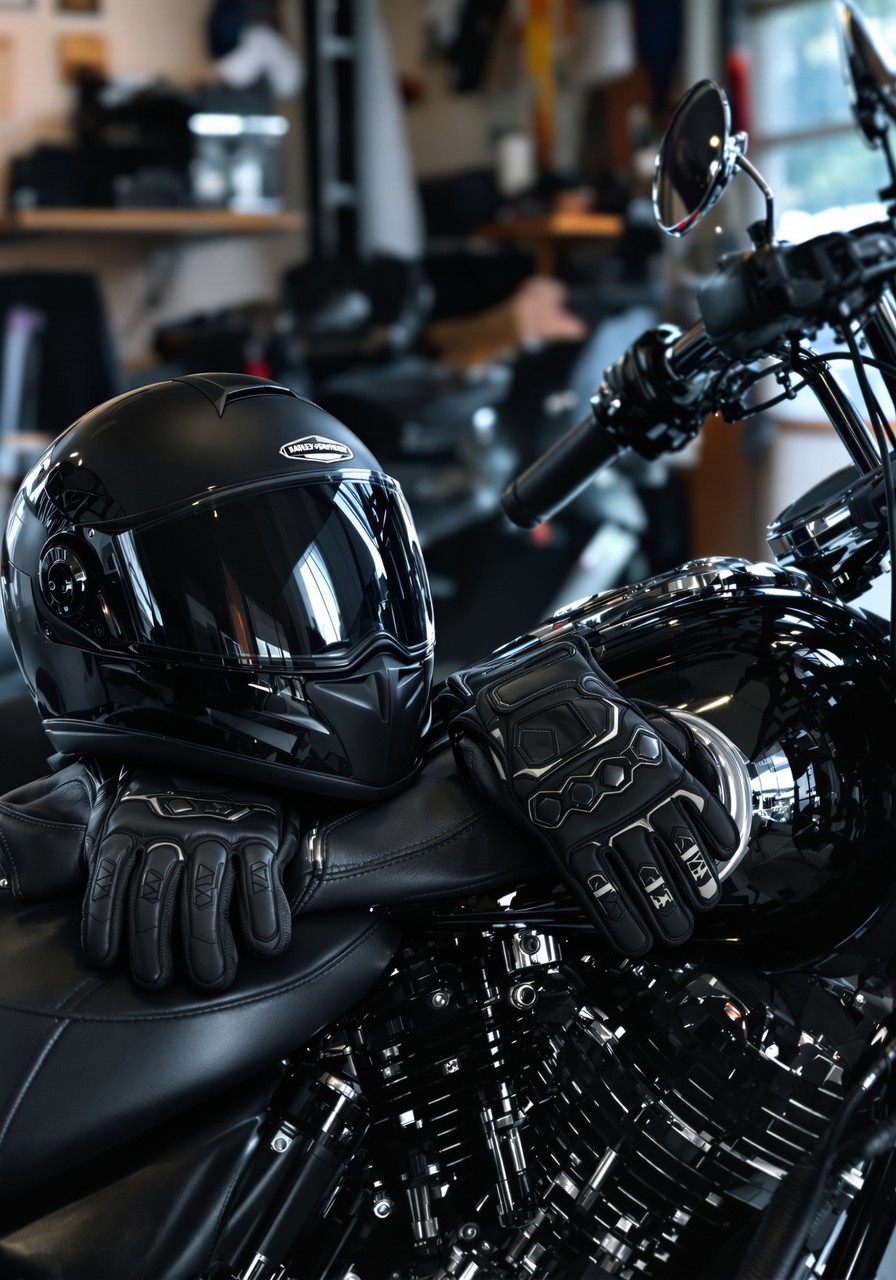
Drop your helmet in the parking lot? Replace it. The foam that protects your skull crushes once, even when the shell looks fine. #RideNationFL #GearUp #RiderTips
Safety & FL Law
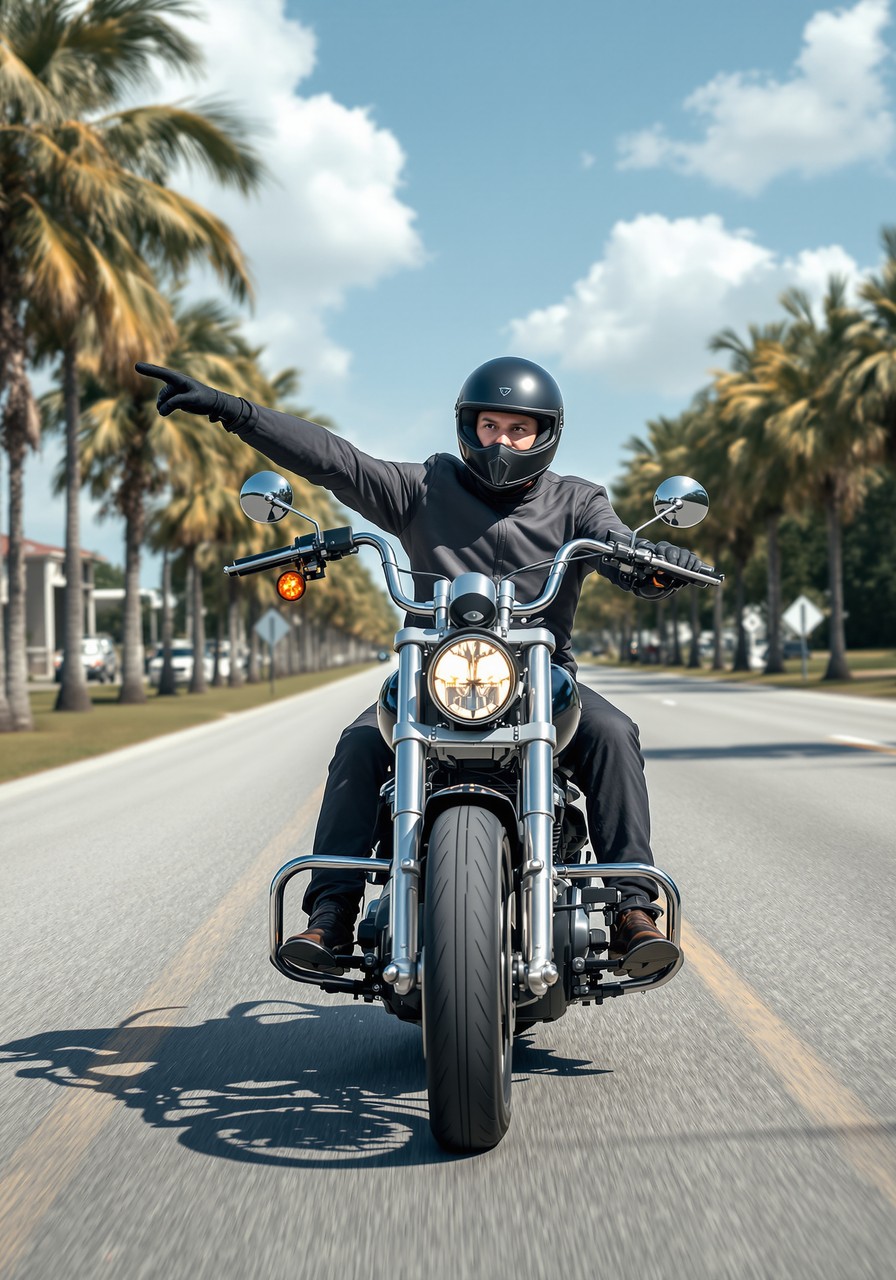
Here is the one that shocks new riders. There is no PIP for your medical bills on a bike in Florida. Build your own safety net with UM/UIM and solid health coverage. Hurt in a crash? Call Jason Melton at 352-666-6666. #RideNationFL #FloridaLaw #KnowYourRights
Engagement
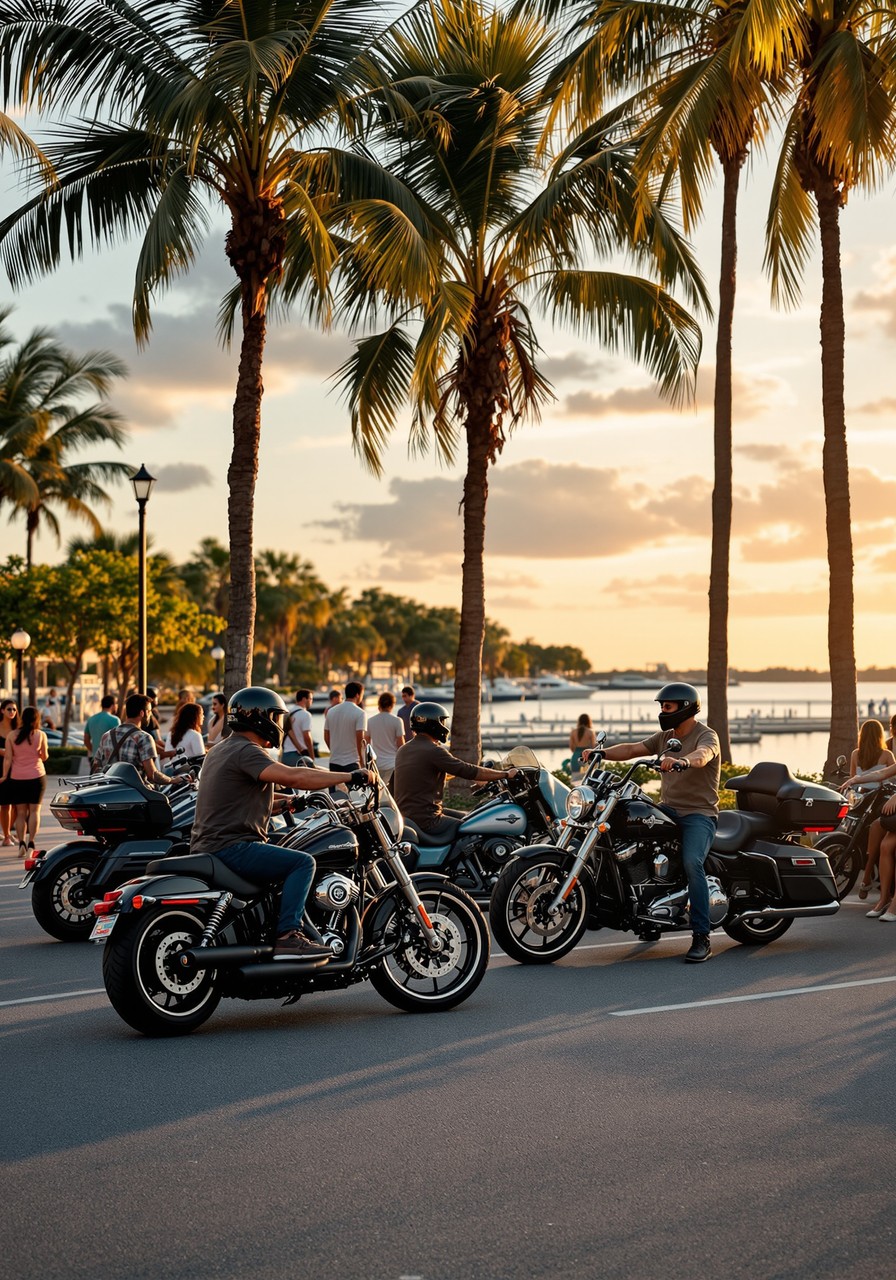
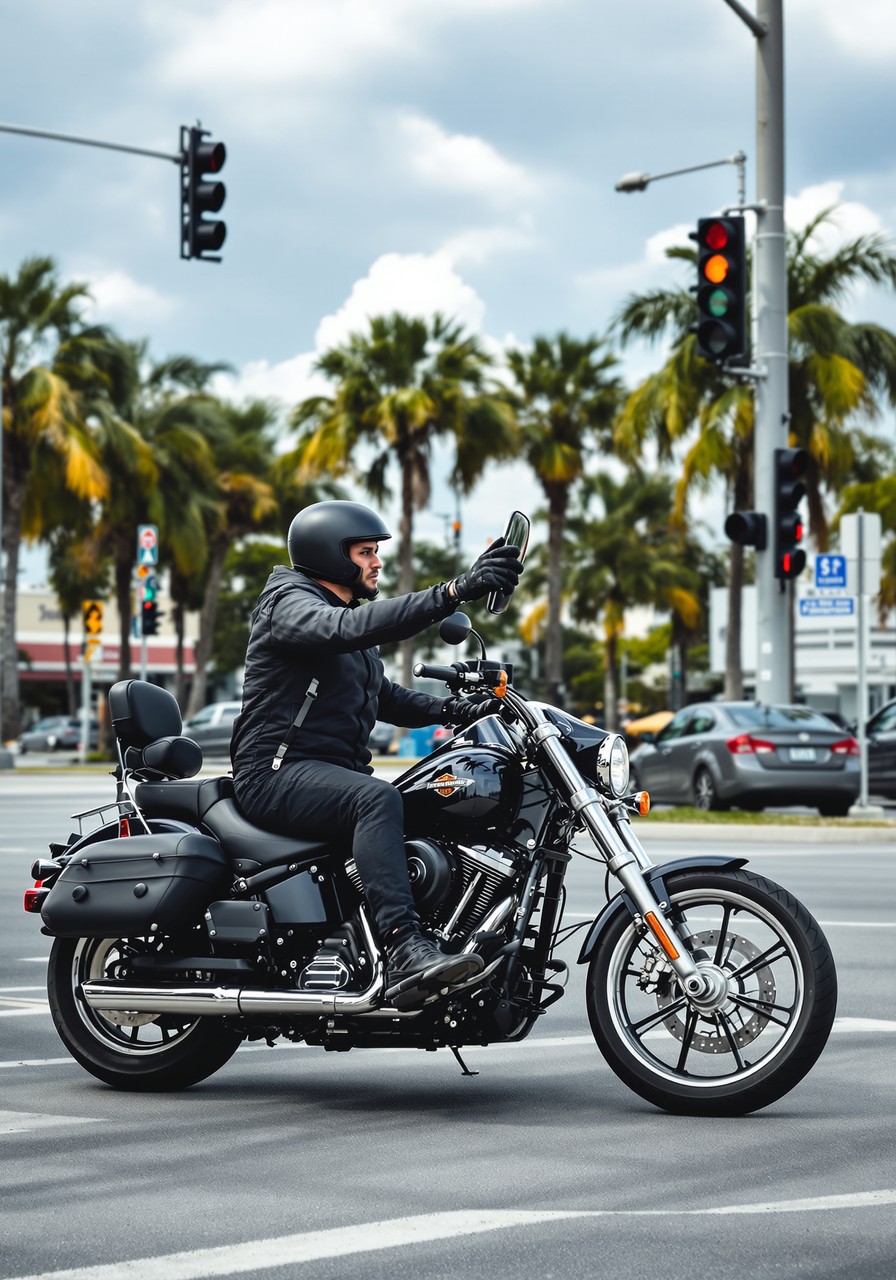
Caption this: you, first cool December morning, helmet on, empty road ahead. Go. #RideNationFL #TwoWheels #Florida
Giveaway & Countdown
Somebody is winning $20,000 toward a motorcycle on December 10. Why not you? Free to enter, link in comments. Questions after a wreck? Whittel & Melton, 352-666-6666. #RideNationFL #20kGiveaway #FloridaRiders
Local FL & Rides
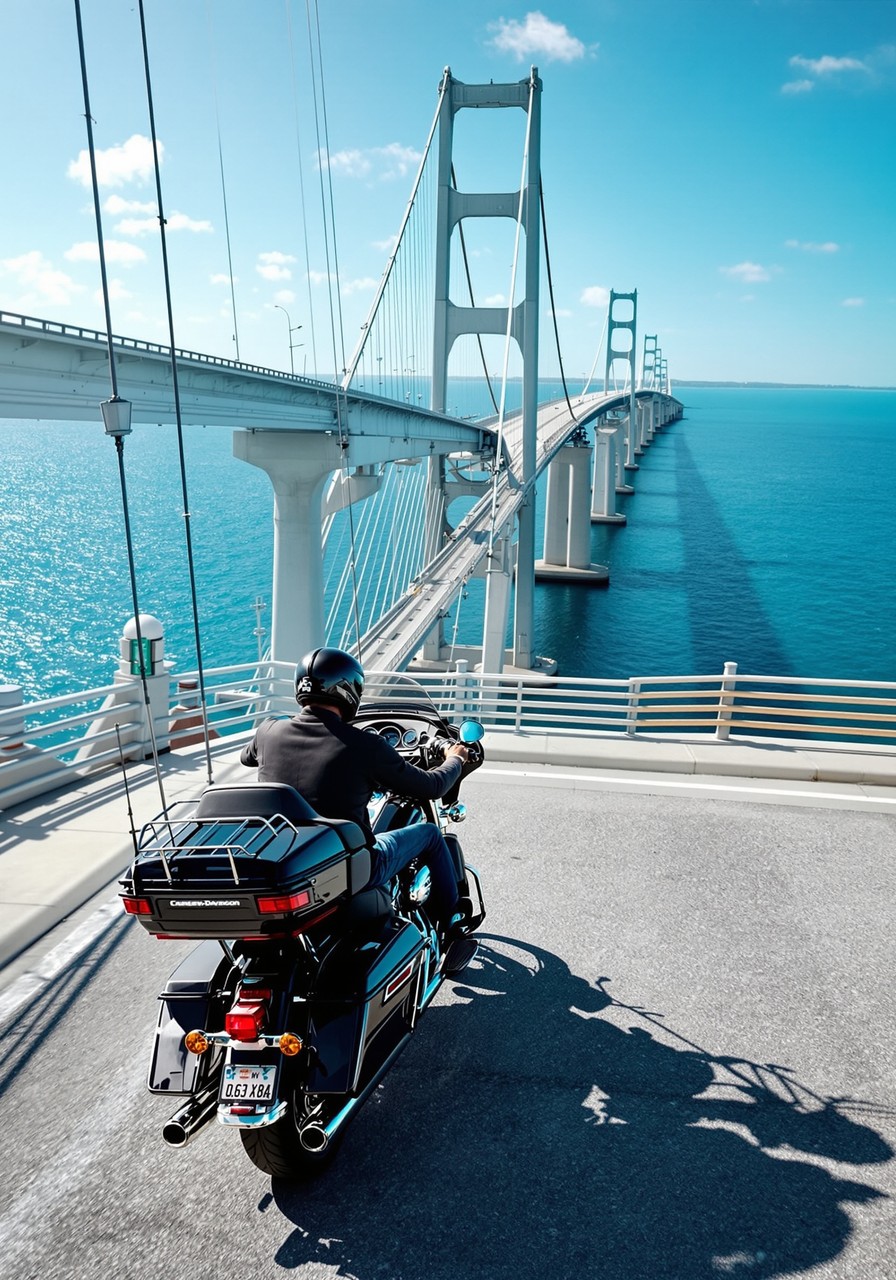
Sugarloaf Mountain and the Clermont hills are the closest thing to elevation we get. Real climbs, real curves, an easy day trip from Tampa Bay. #RideNationFL #MotorcycleRoads #Florida
Gear & New Iron
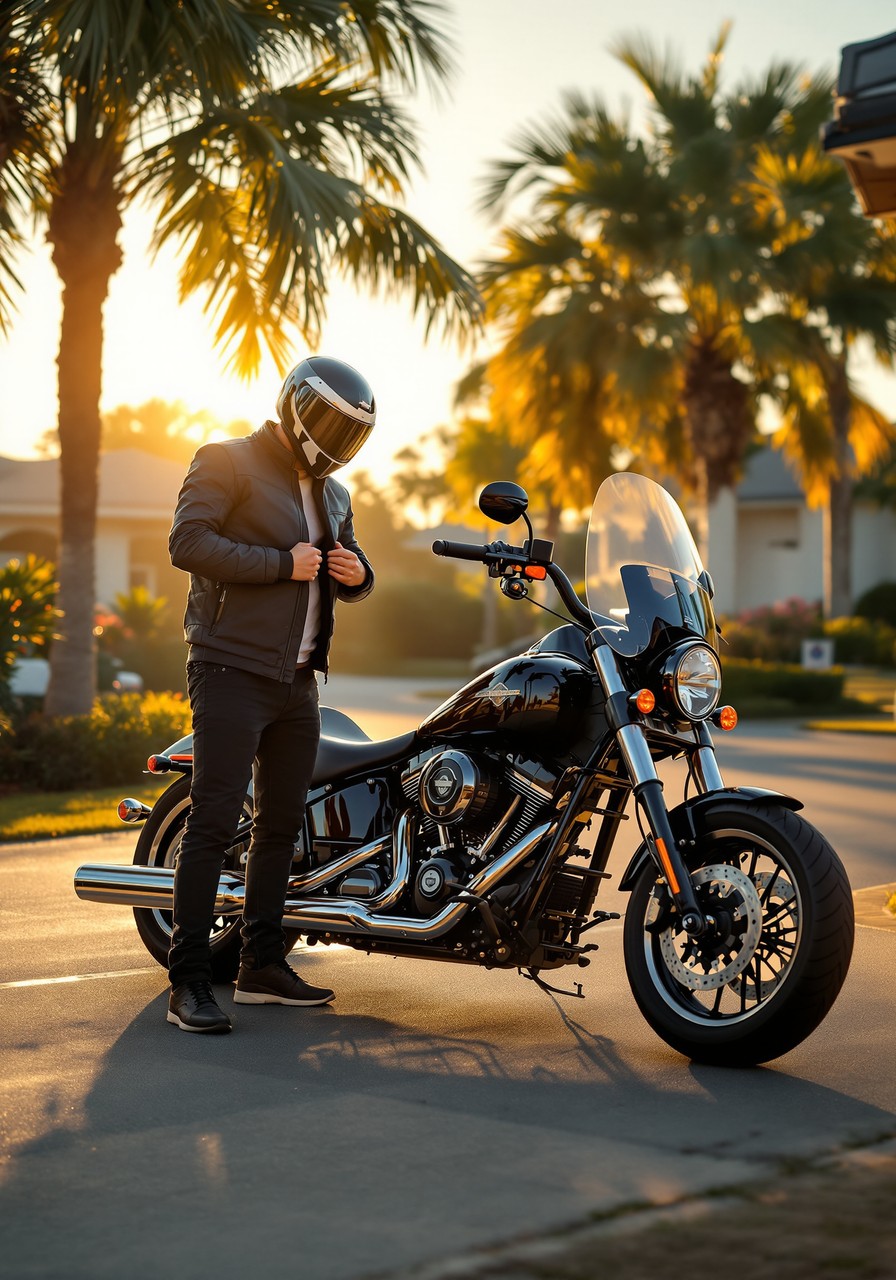
Helmets have a shelf life. Five years from the manufacture date and the liner starts breaking down, especially baking in Florida heat. Check the sticker inside. #RideNationFL #GearUp #FloridaHeat
Safety & FL Law
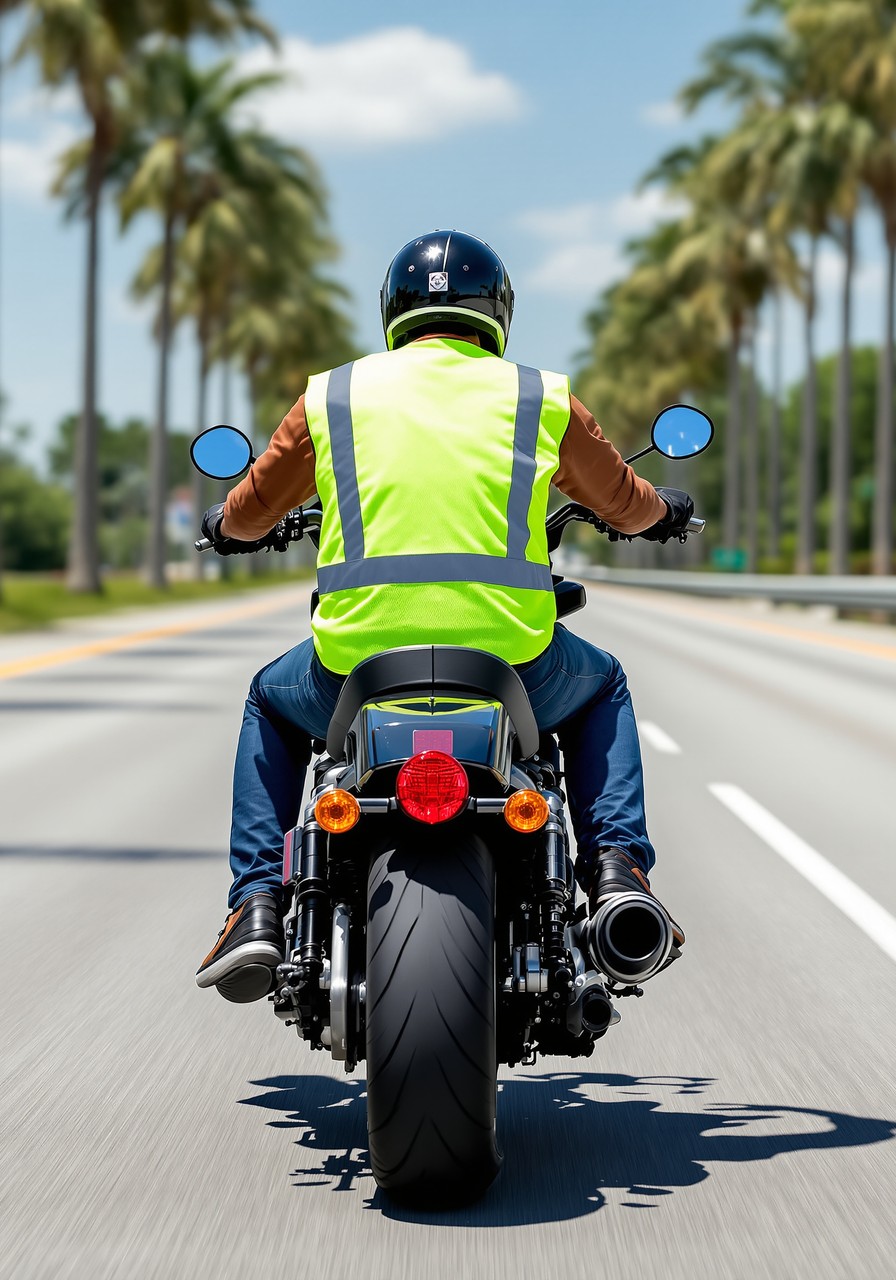
Florida does not even require drivers to carry Bodily Injury liability. The person who hits you might have zero coverage for your injuries. UM/UIM is your real lifeline. Need a hand after a wreck? Whittel & Melton, 352-666-6666. #RideNationFL #UninsuredMotorist #FloridaLaw
Engagement
Fill in the blank: winter riding in Florida hits different because ______. #RideNationFL #FloridaRiders #BikerLife
Giveaway & Countdown
The BikersWin giveaway is live. $20,000, one winner, drawn December 10. Get your name in today, link in comments. #RideNationFL #BikersWin #FreeToEnter
Local FL & Rides
US-19 up the Nature Coast past the spring towns, salt air the whole way and the Gulf sitting off your left. #RideNationFL #NatureCoast #GulfCoast
Gear & New Iron
A cheap mesh jacket is not a flex, it is a hospital bill waiting to happen. Look for CE rated armor with real airflow. #RideNationFL #GearUp #ATGATT
Safety & FL Law
You can do everything right and still get hit by a driver with no injury coverage. That is legal in Florida. Carry UM/UIM so you are not left holding the bill. Talk it through with Jason Melton, 352-666-6666. #RideNationFL #UninsuredMotorist #KnowYourRights
Engagement
Poll: heated grips or just tough it out on those 50 degree Nature Coast mornings? #RideNationFL #NatureCoast #TwoWheels
Giveaway & Countdown
Tag your riding buddy who needs a new bike. $20,000 up for grabs, free to enter, drawn December 10. Link in comments. #RideNationFL #MotorcycleGiveaway #TampaBay
Local FL & Rides
Suncoast Parkway when you want to make time. Smooth, wide, and quiet compared to I-275, then hop off toward Brooksville for the good stuff. #RideNationFL #Suncoast #MotorcycleRoads
Gear & New Iron
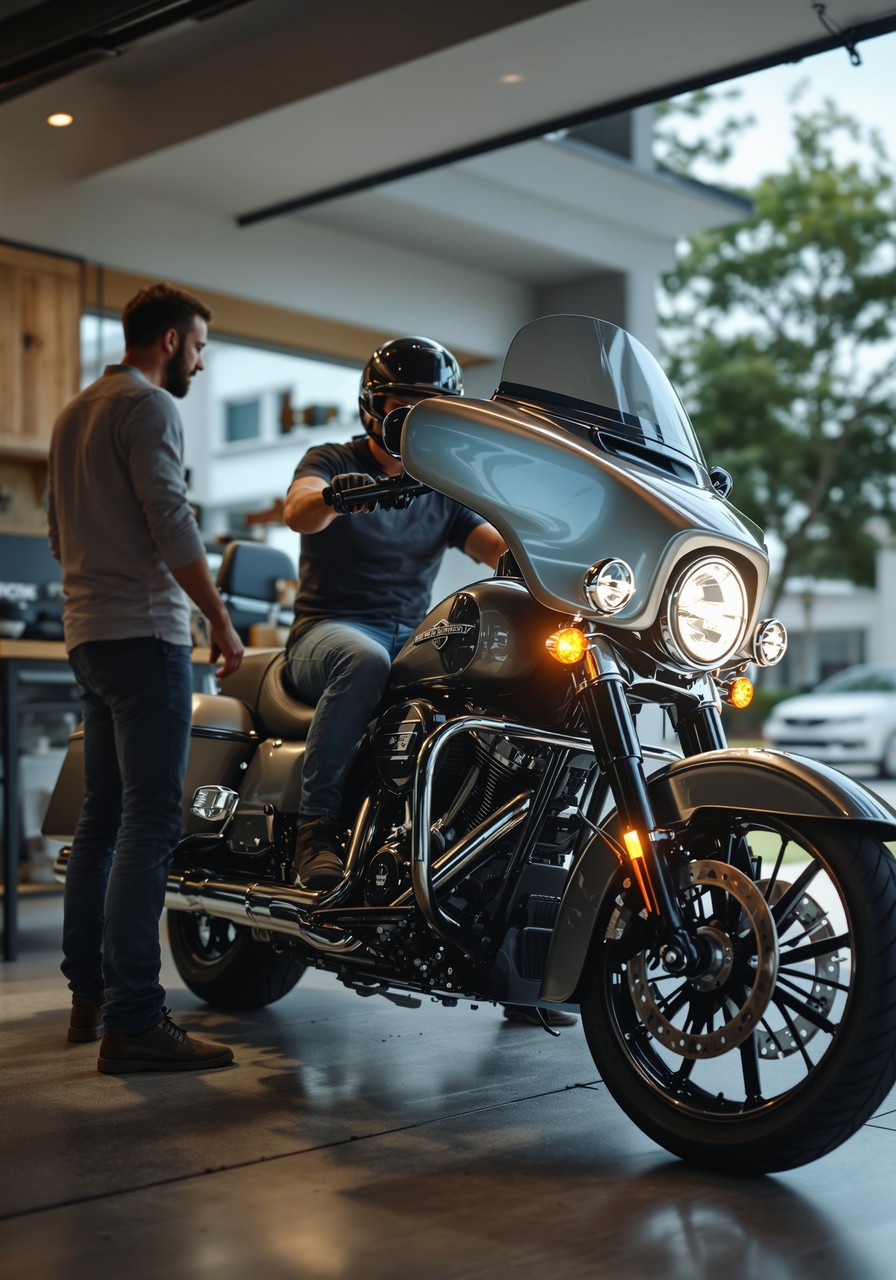
CE Level 2 armor takes more of the hit than Level 1. Check the shoulders, elbows, and back before you buy, not after you go down. #RideNationFL #GearUp #ATGATT
Safety & FL Law
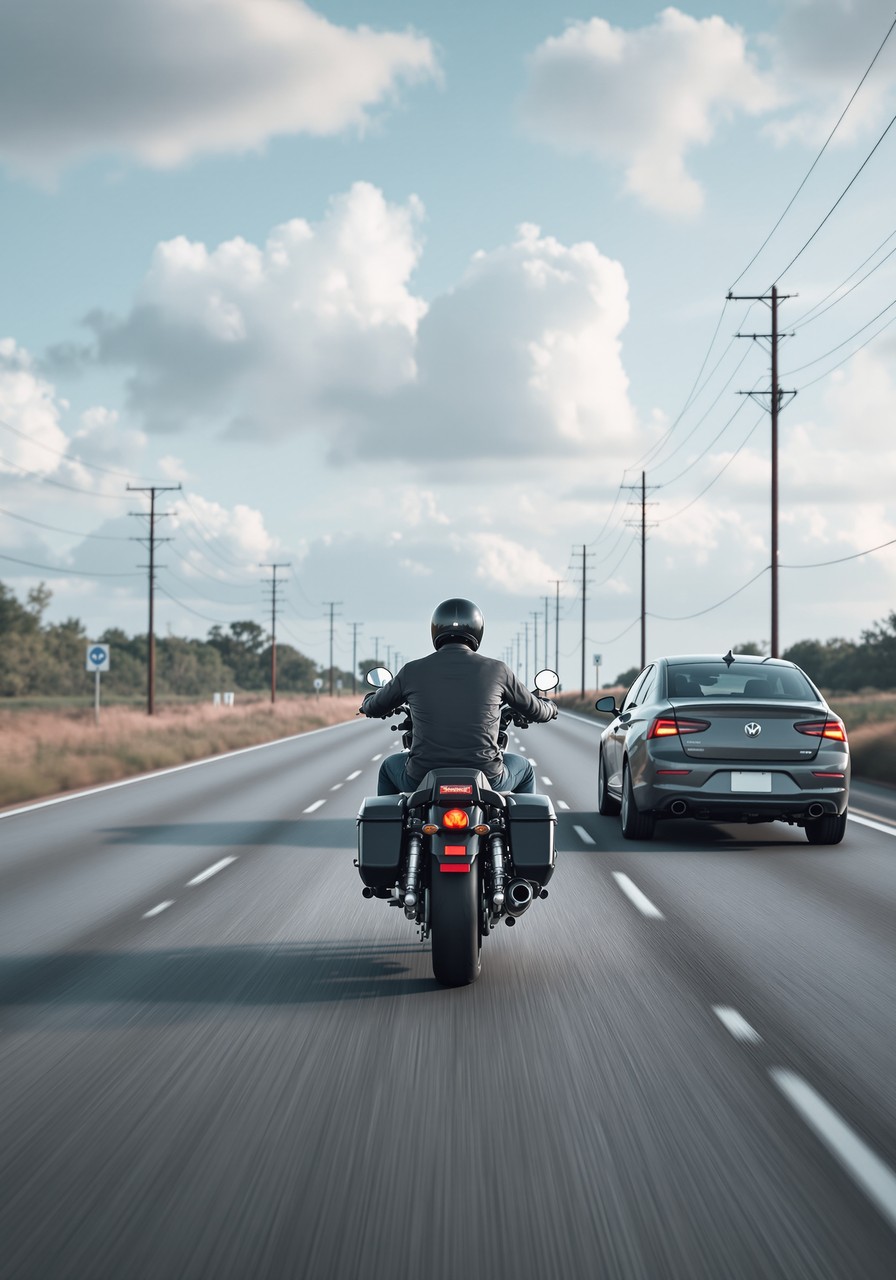
Florida changed the rules in 2023. Now it is modified comparative negligence with a 51 percent bar. More than half at fault and you recover nothing. How the crash is documented really matters. Questions after a wreck? 352-666-6666, Whittel & Melton. #RideNationFL #FloridaLaw #KnowYourRights
Engagement
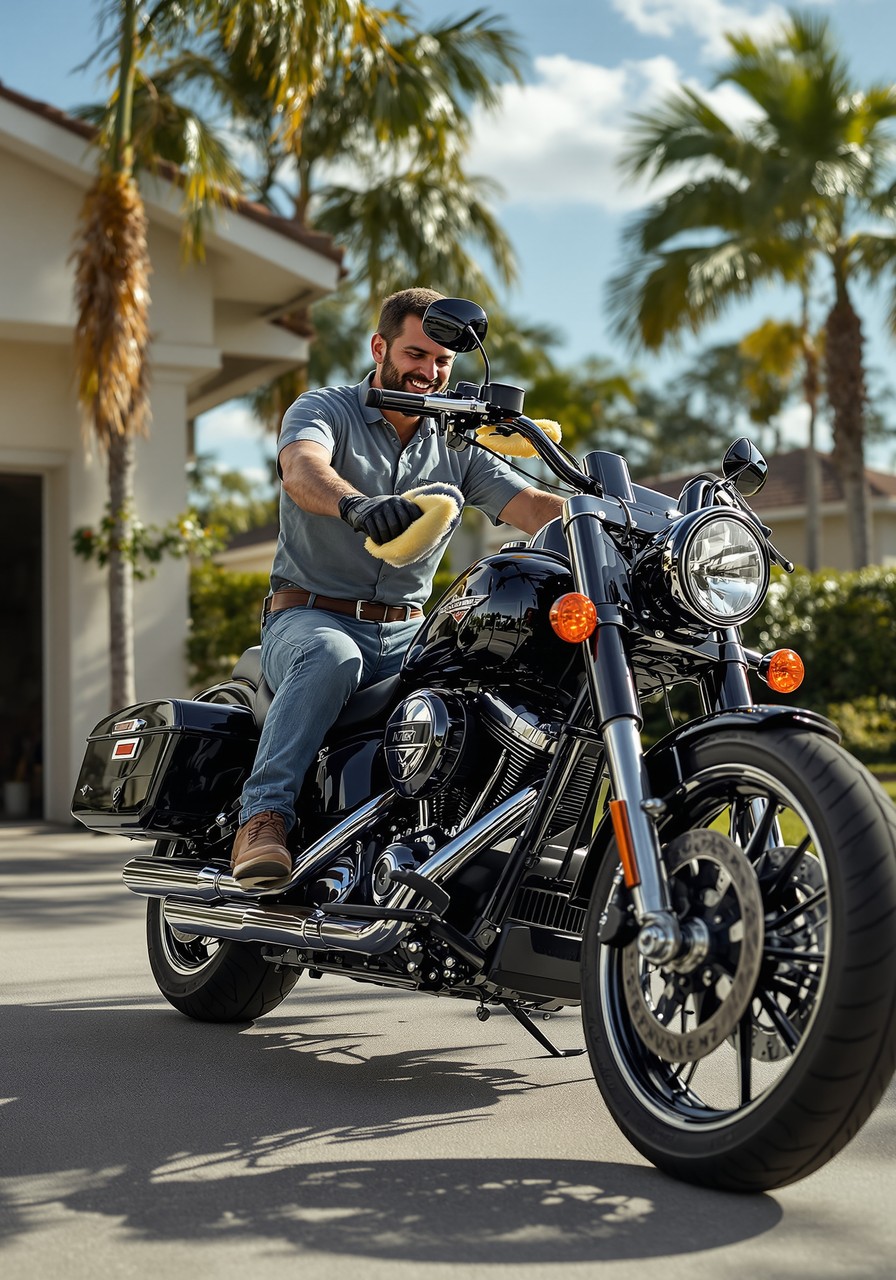
Favorite Gulf Coast road to clear your head? Drop it below so we can all go ride it. #RideNationFL #GulfCoast #FloridaRiders
Giveaway & Countdown
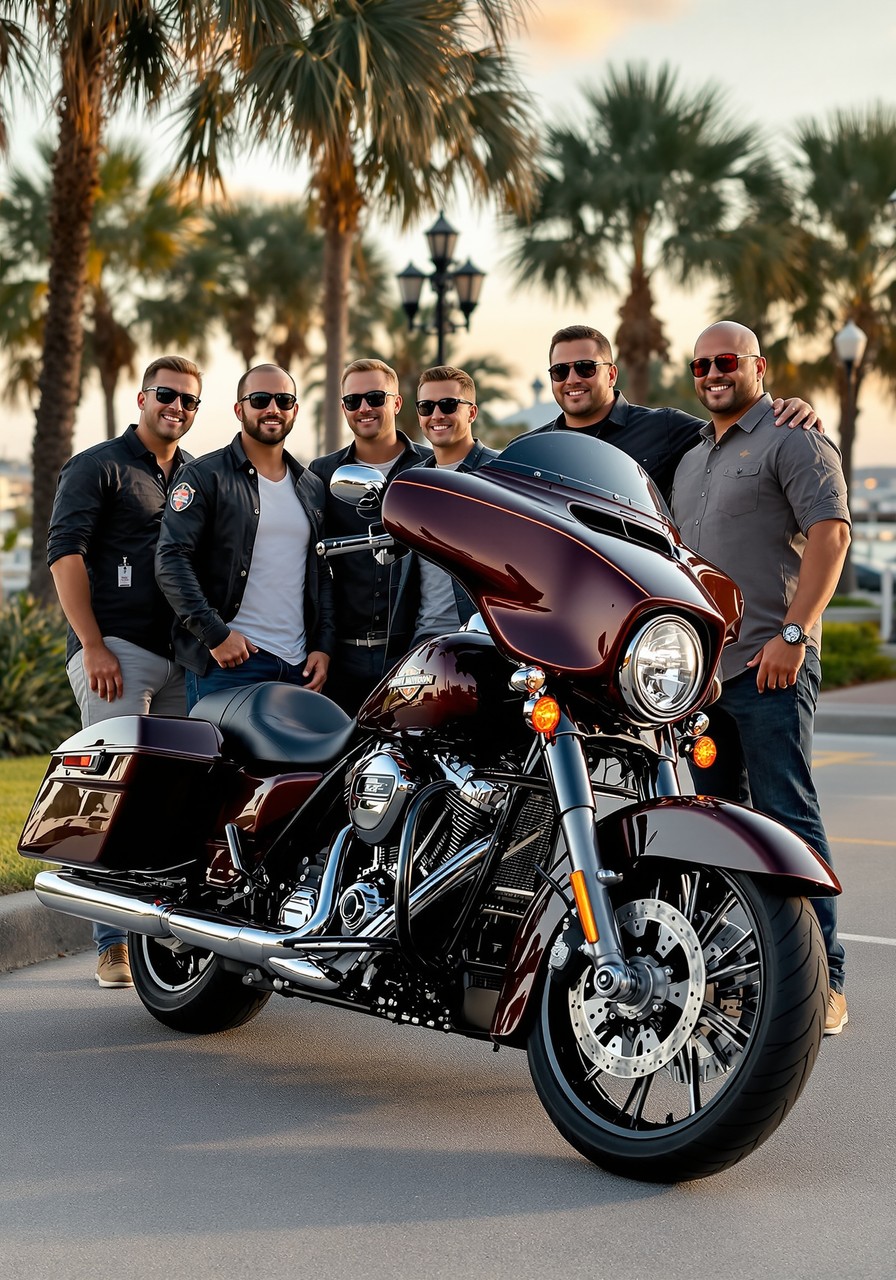
Free to enter, riders 18 and up, drawn December 10. Two minutes and you are in. Entry link in the comments. Questions after a wreck? Whittel & Melton, 352-666-6666. #RideNationFL #BikersWin #20kGiveaway
Local FL & Rides
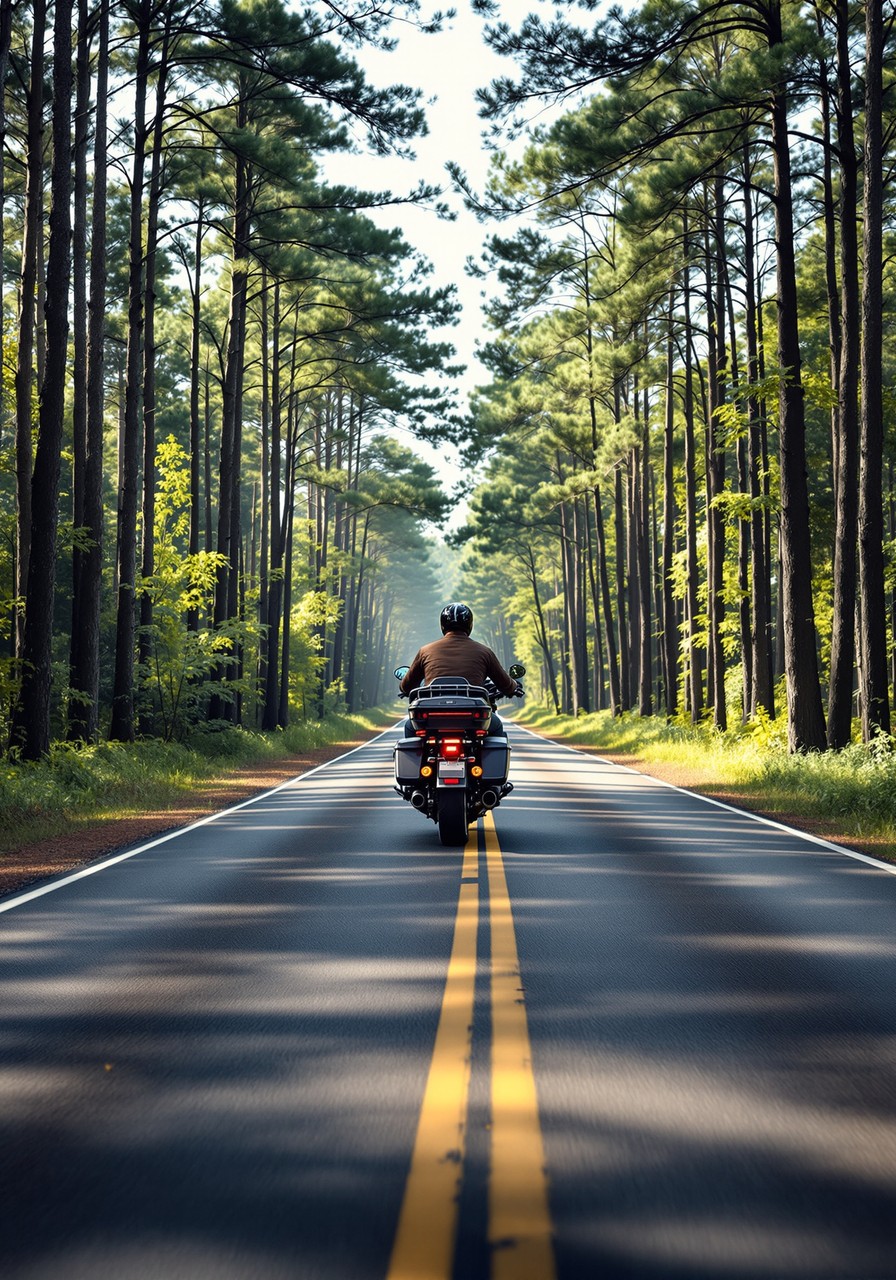
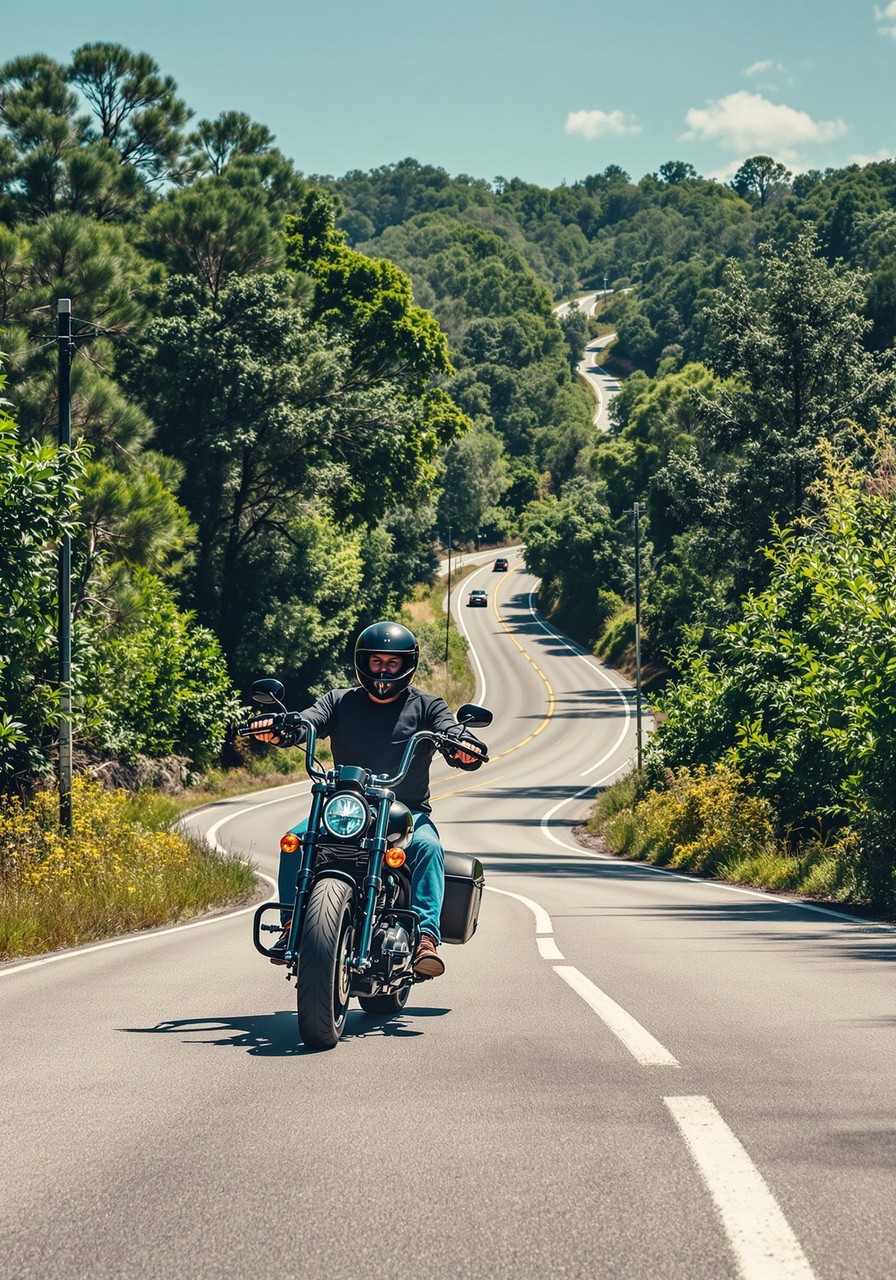
Withlacoochee State Forest roads near Brooksville. Shaded two lane through the pines, easy sweepers, almost no traffic. #RideNationFL #NatureCoast #MotorcycleRoads
Gear & New Iron
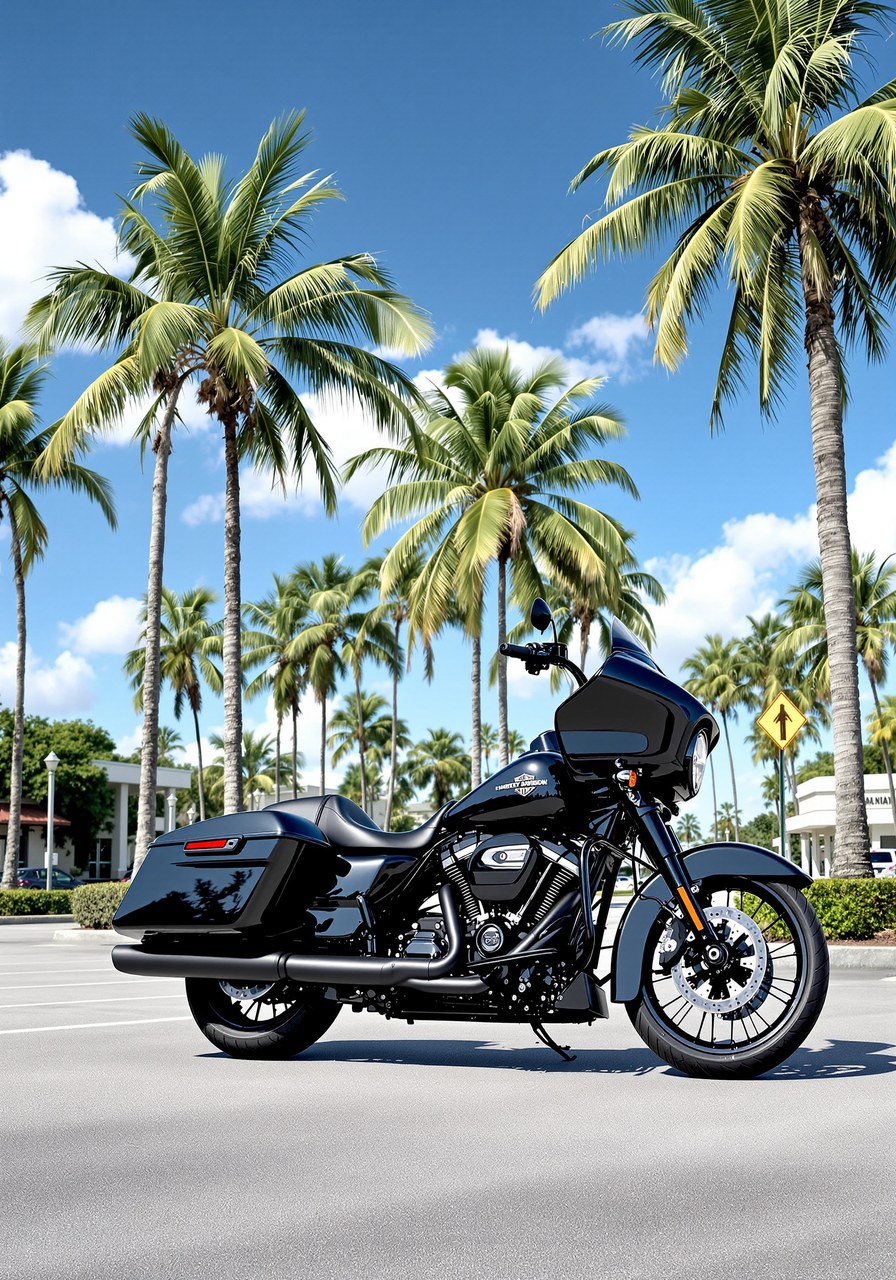
Mesh gear in a Florida July is the difference between riding and suffering. Ventilated does not mean unprotected when the armor is rated. #RideNationFL #FloridaHeat #GearUp
Safety & FL Law
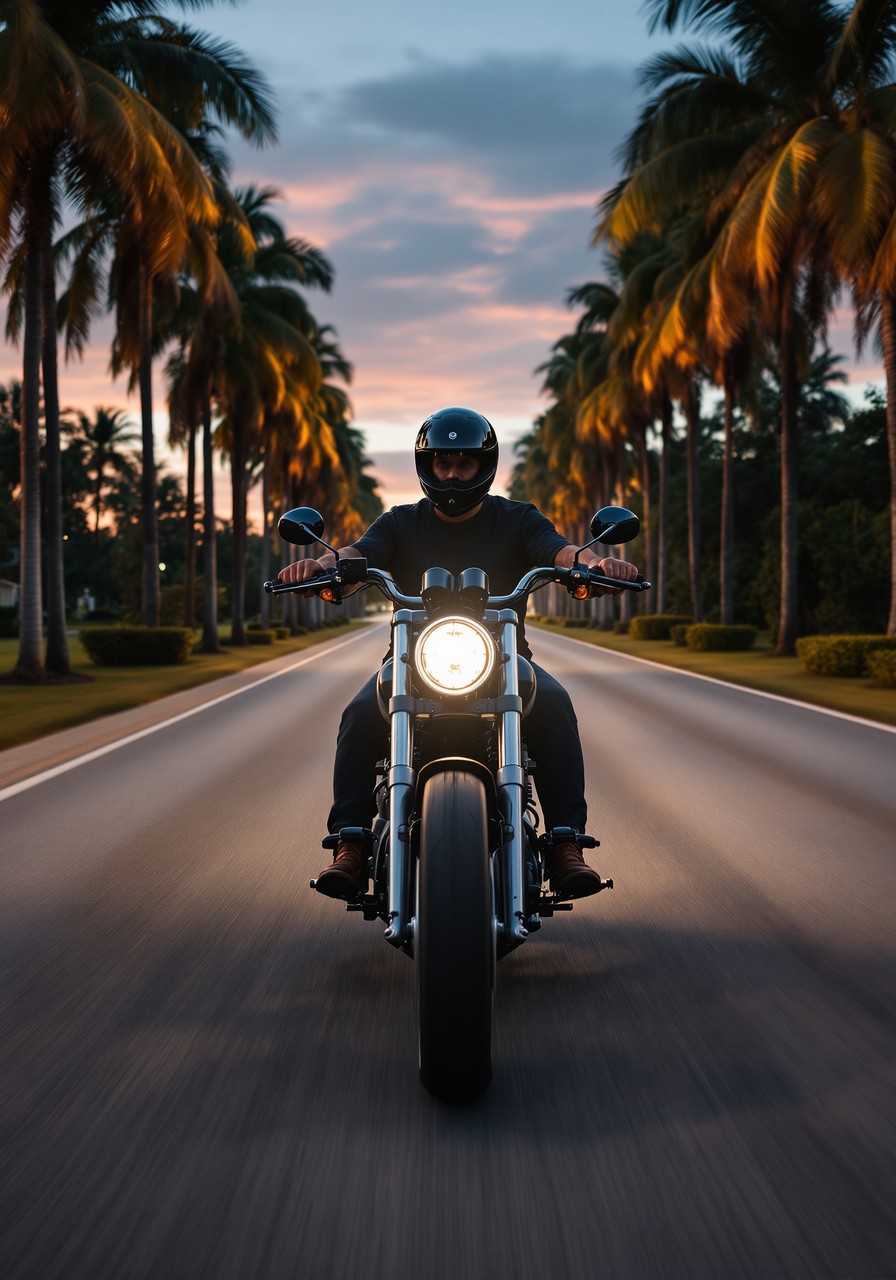
Fault is everything in Florida now. Cross 51 percent and you walk away with nothing. That is why photos, witnesses, and a clear report matter from minute one. Not sure where you stand? Jason Melton, 352-666-6666. #RideNationFL #FloridaLaw #RiderSafety
Engagement
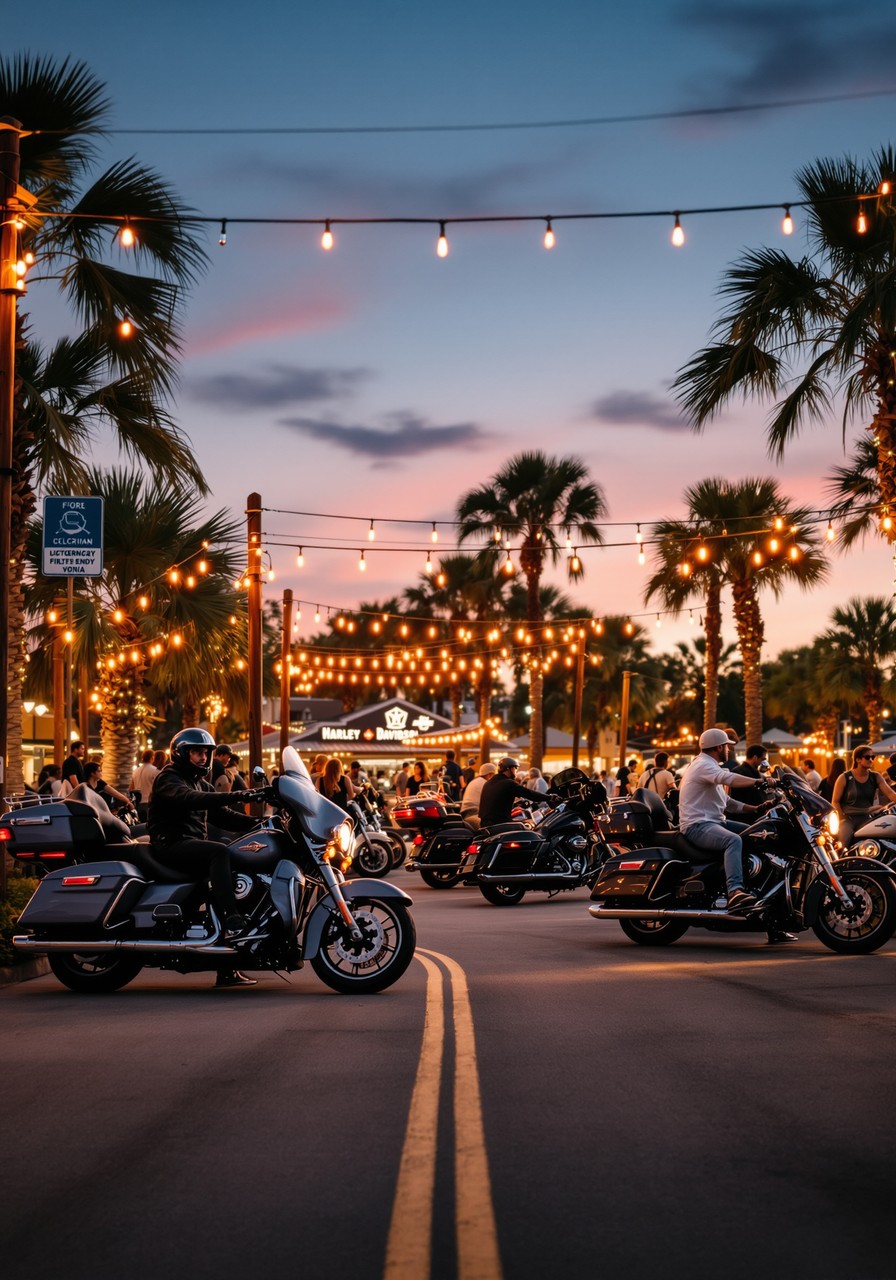
This or that: coffee stop first, or ride first and coffee after? #RideNationFL #BikerLife #TampaBay
Giveaway & Countdown
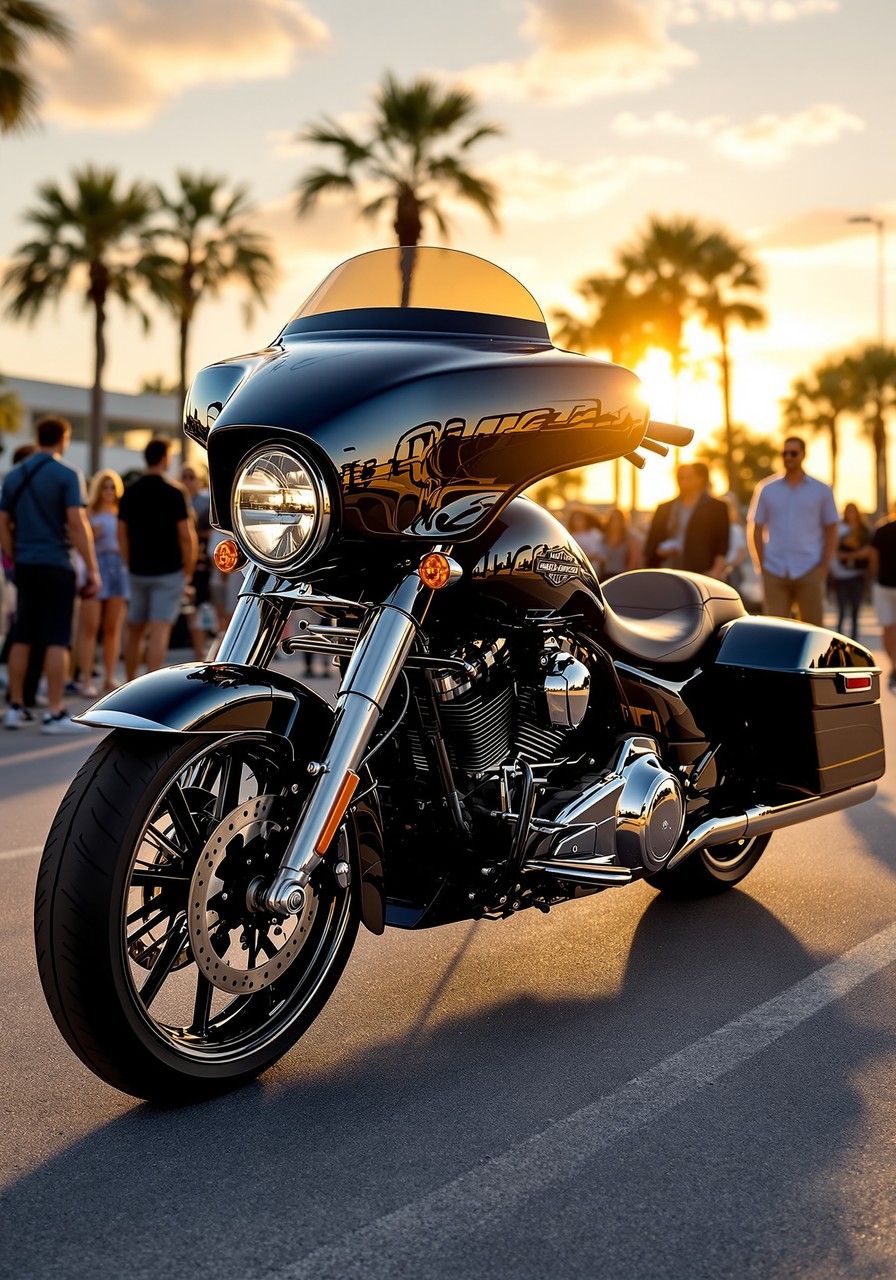
If you won $20,000 toward any motorcycle, what are you riding home? Tell us below, then grab the entry link in the comments. #RideNationFL #WinABike #FloridaRiders
Local FL & Rides
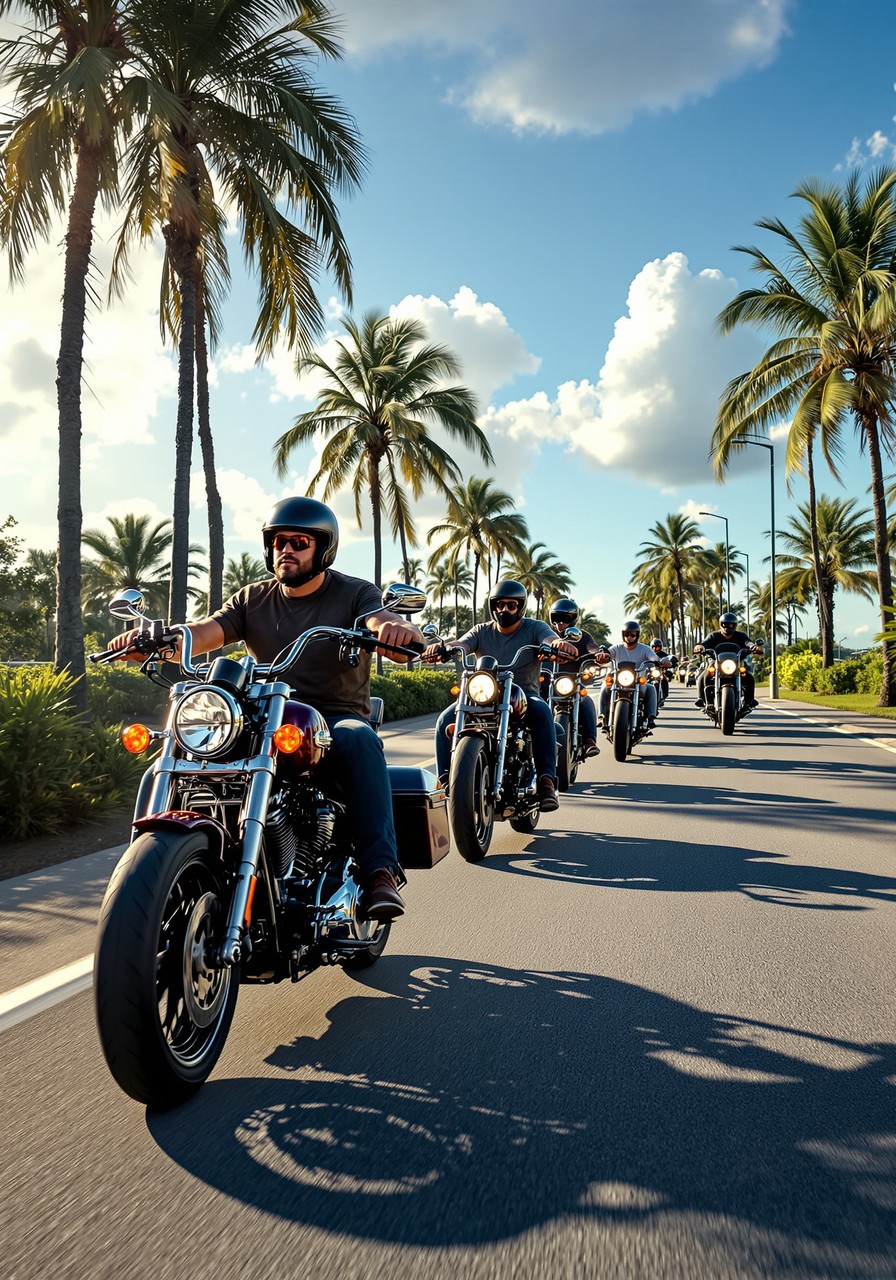
Anna Maria Island run down the Gulf Coast. Slow speed limits, beach town pace, and no reason to rush. #RideNationFL #GulfCoast #Florida
Gear & New Iron
Hydrate before you feel thirsty. By the time your mouth is dry in this humidity you are already behind. Toss a bladder in the pack. #RideNationFL #FloridaHeat #RiderTips
Safety & FL Law
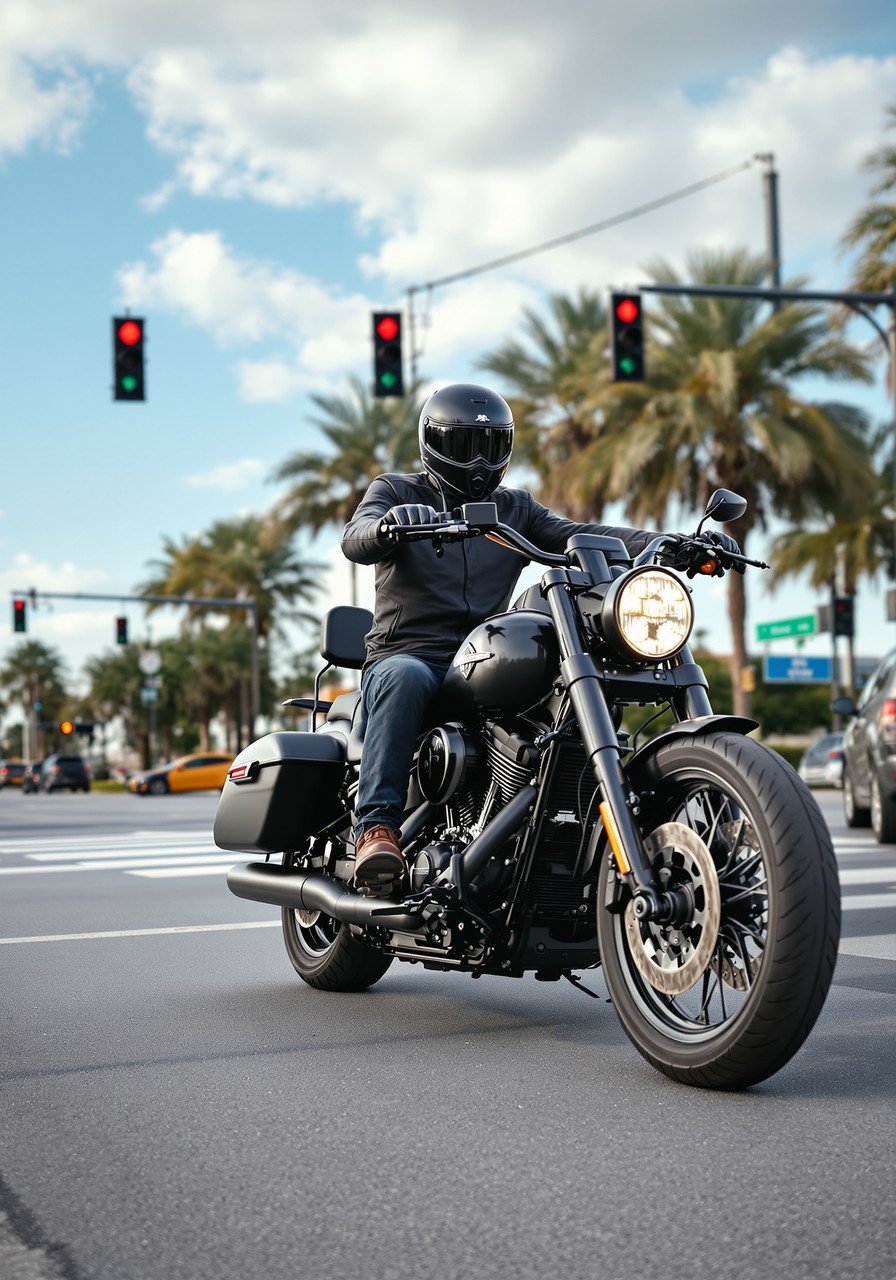
Helmet law refresher. In Florida, riders 21 and up can ride without a helmet only if they carry at least $10,000 in medical coverage. Under 21, a helmet is required. Know your coverage. Hurt on two wheels? Call 352-666-6666. #RideNationFL #FloridaLaw #MotorcycleSafety
Engagement
Two words to describe your last ride. Only two. Go. #RideNationFL #TwoWheels #Florida
Giveaway & Countdown
Clock is ticking toward December 10. $20,000 to one rider, free to enter. Do not sleep on this, link in comments. Ride safe, and if you go down, Whittel & Melton, 352-666-6666. #RideNationFL #20kGiveaway #BikersWin
Local FL & Rides
The Pinellas beaches loop on a weekday beats any weekend crawl. Beat the tourists and ride Gulf Boulevard early. #RideNationFL #GulfCoast #FloridaRiders
Gear & New Iron
Heat exhaustion sneaks up on riders because wind hides how much you are sweating. Stop, drink, and cool down every hour on long Florida rides. #RideNationFL #FloridaHeat #RiderTips
Safety & FL Law
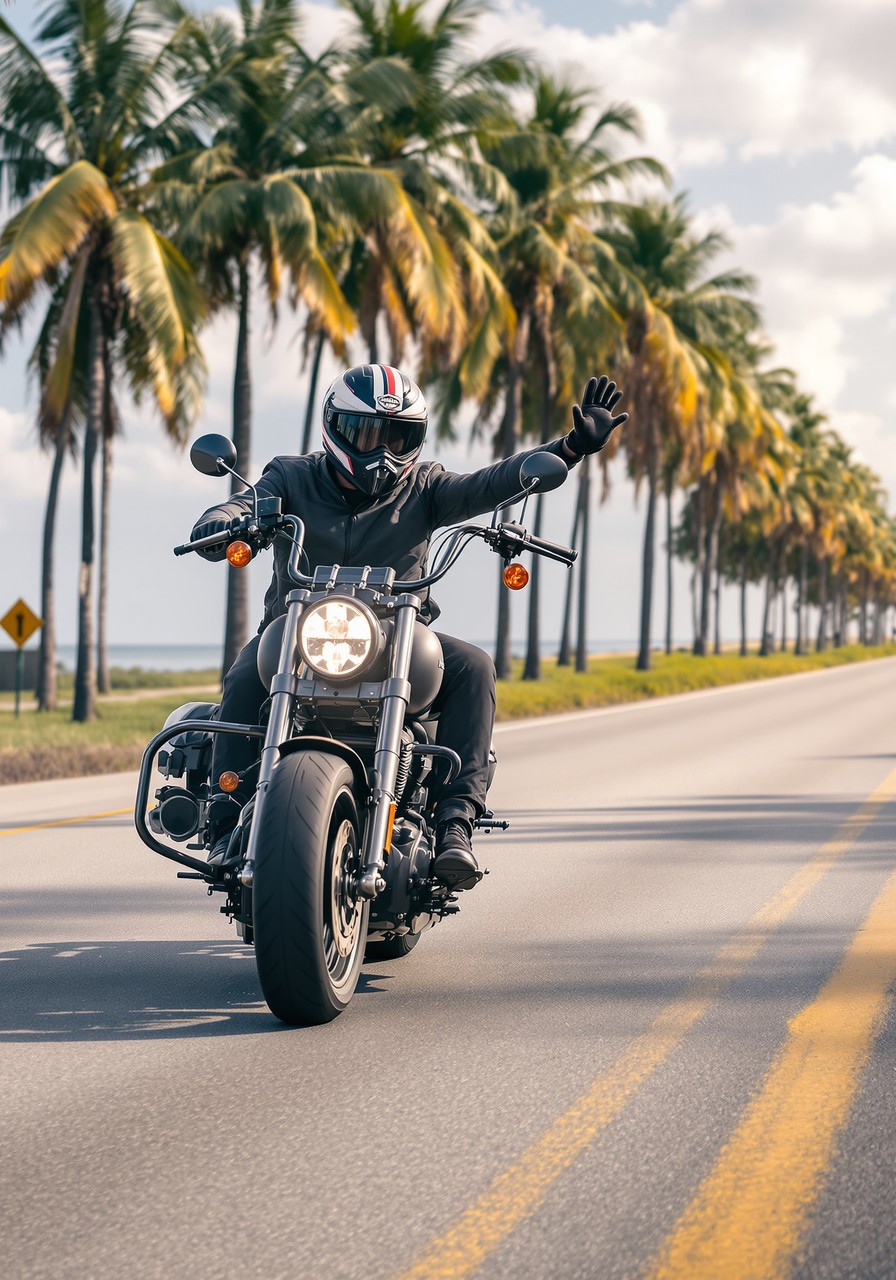
Riding lidless at 21-plus in Florida is legal only with at least $10,000 in medical coverage on board. Check your policy before you check your mirrors. Questions after a crash? Jason Melton and Whittel & Melton, 352-666-6666. #RideNationFL #FloridaLaw #ATGATT
Engagement
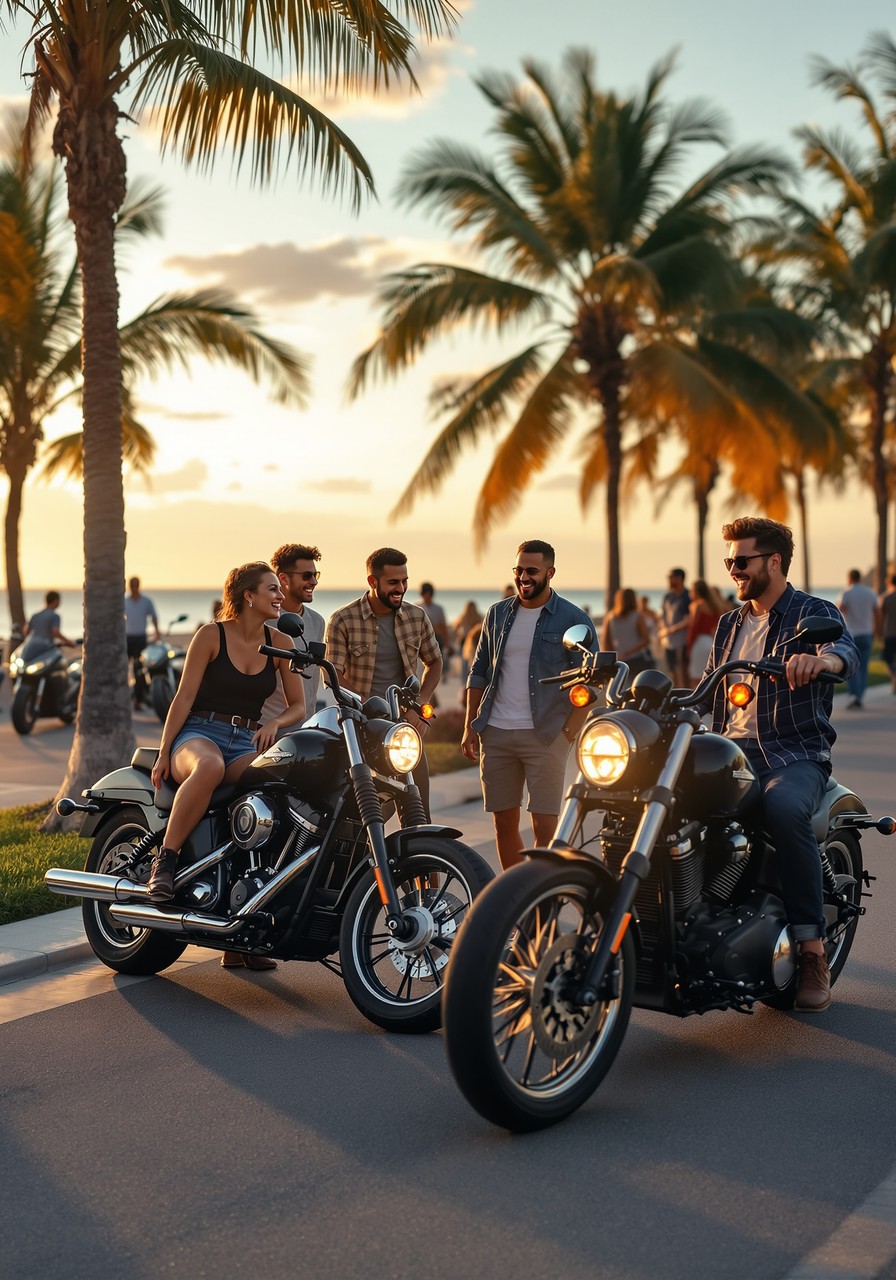
Bike Week is coming. Riding over or staying local this year? Tell us the plan. #RideNationFL #FloridaRiders #BikerLife
Giveaway & Countdown
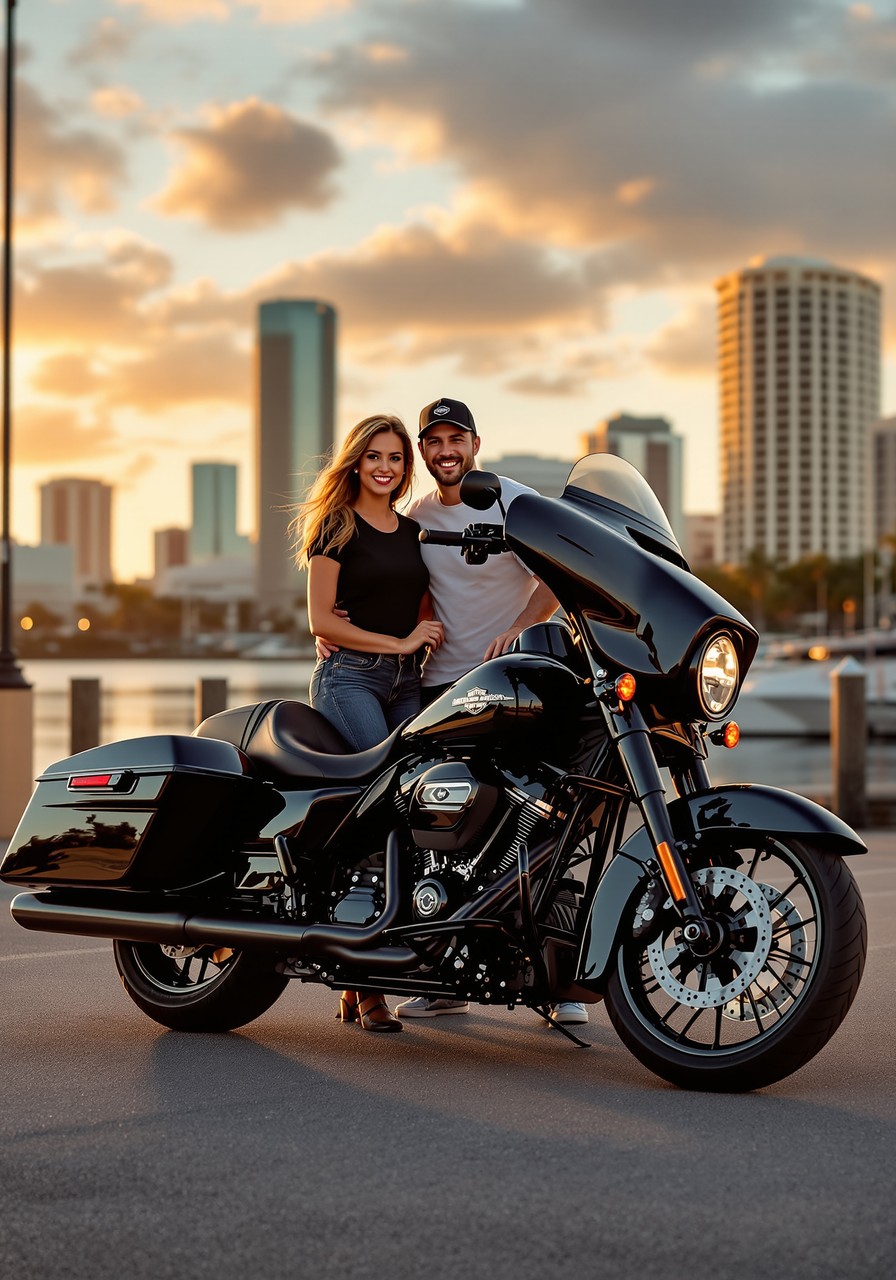
Picture your dream build sitting in the garage, paid for with $20,000 you did not spend. Free to enter, link in comments. Questions after a wreck? Whittel & Melton, 352-666-6666. #RideNationFL #MotorcycleGiveaway #WinABike
Local FL & Rides
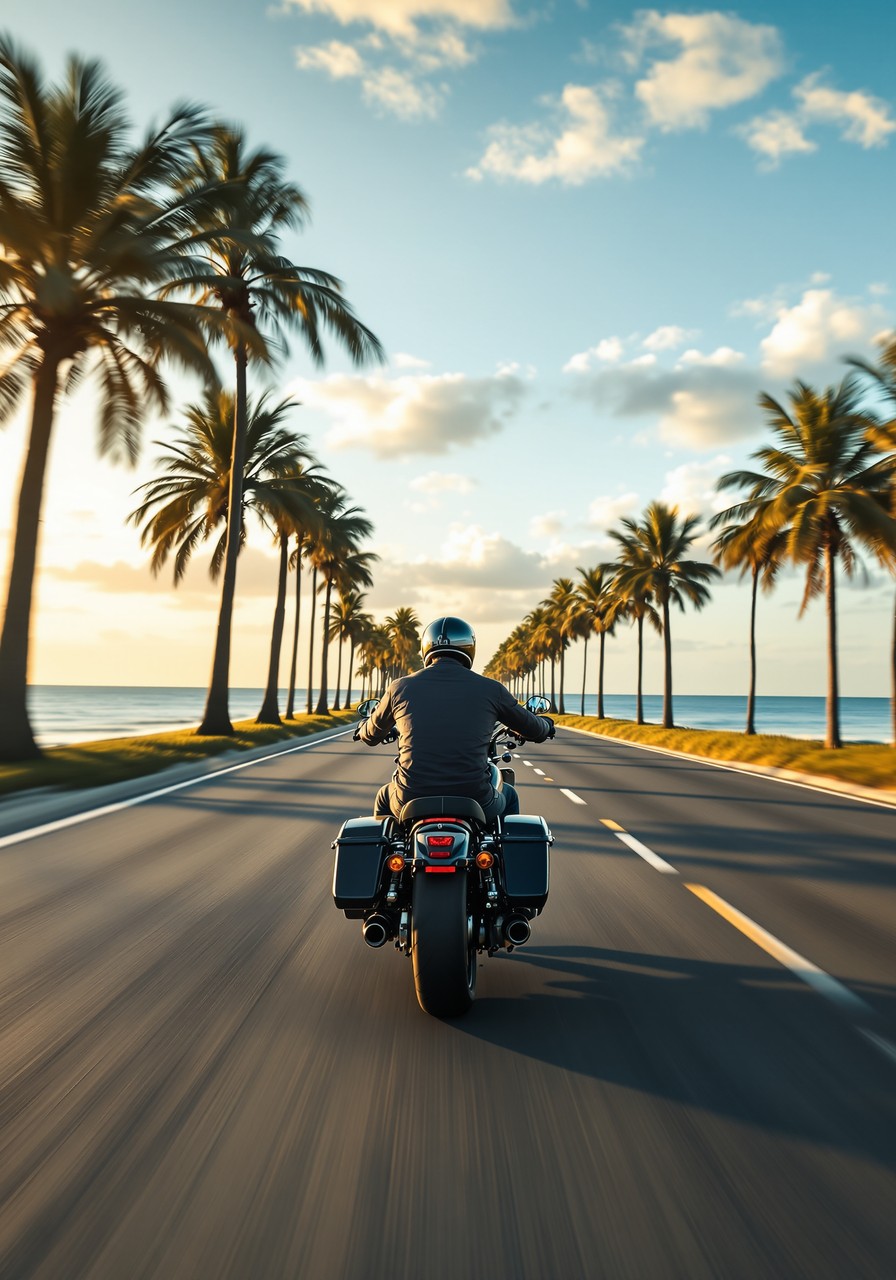
Weeki Wachee and the roads around it stay green and shaded most of the year. Good half day out of Spring Hill. #RideNationFL #NatureCoast #Florida
Gear & New Iron
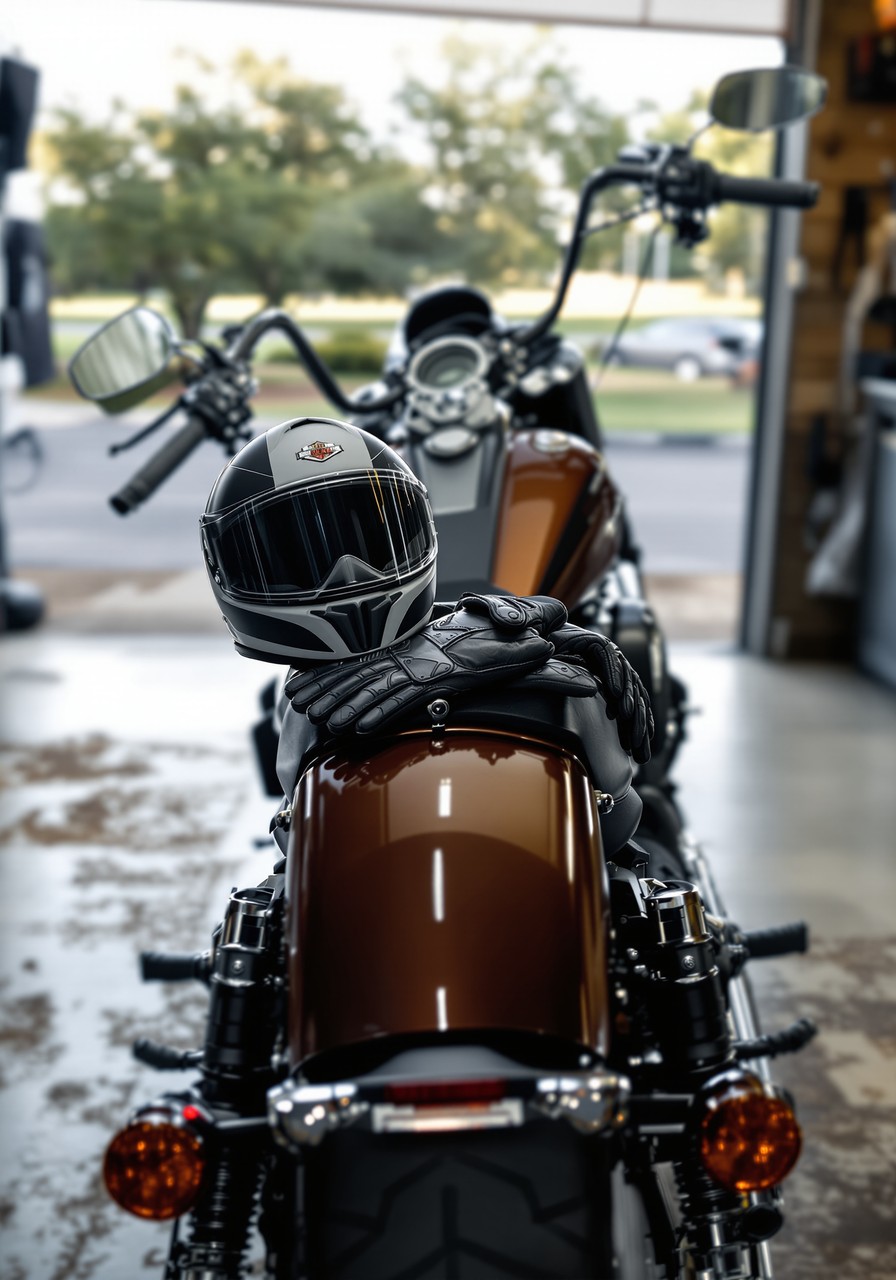
Hi-viz is not a fashion statement, it is a survival tool. Florida drivers look right through dark gear at dusk. Give them something to see. #RideNationFL #GearUp #RiderTips
Safety & FL Law
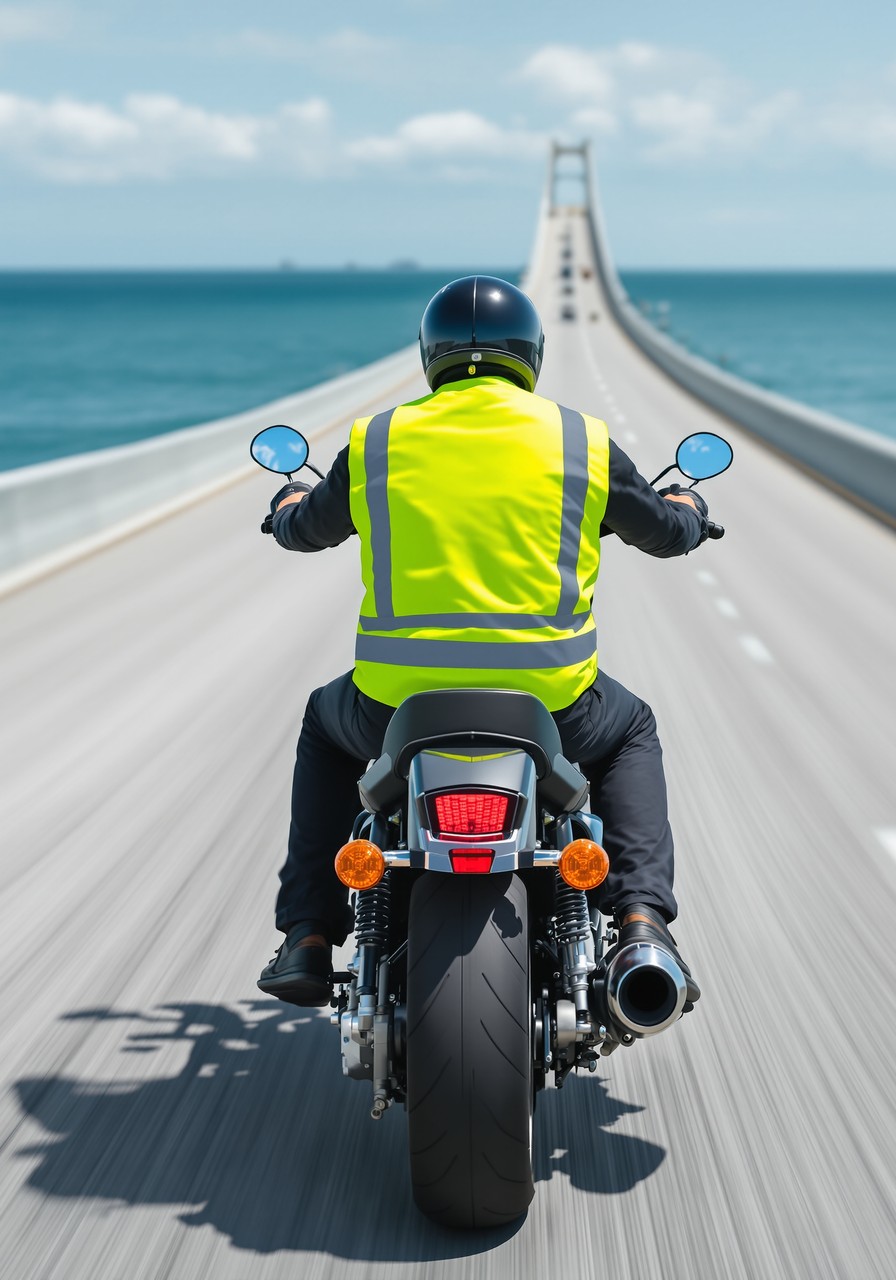
Big change from the 2023 reform. You now have 2 years to file an injury claim, not 4. Waiting can cost you the whole case. Been hurt in a crash? Talk to Jason Melton sooner rather than later, 352-666-6666. #RideNationFL #FloridaLaw #KnowYourRights
Engagement
Picture it: full moon, the Skyway lit up, one bike crossing. What are you feeling? #RideNationFL #TampaBay #GulfCoast
Giveaway & Countdown
You ride every week. Might as well ride for $20,000. Free to enter, drawn December 10, link in comments. #RideNationFL #FreeToEnter #FloridaRiders
Local FL & Rides
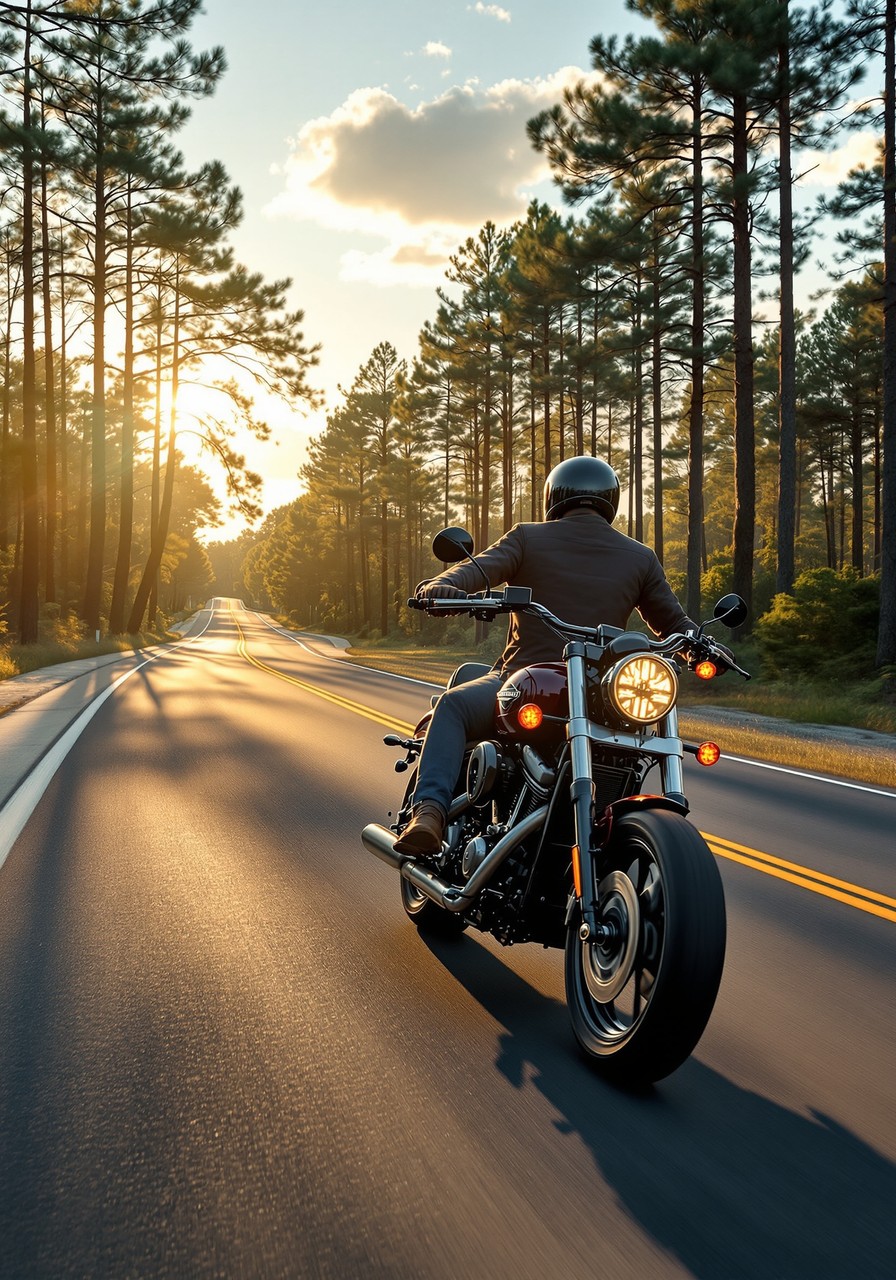
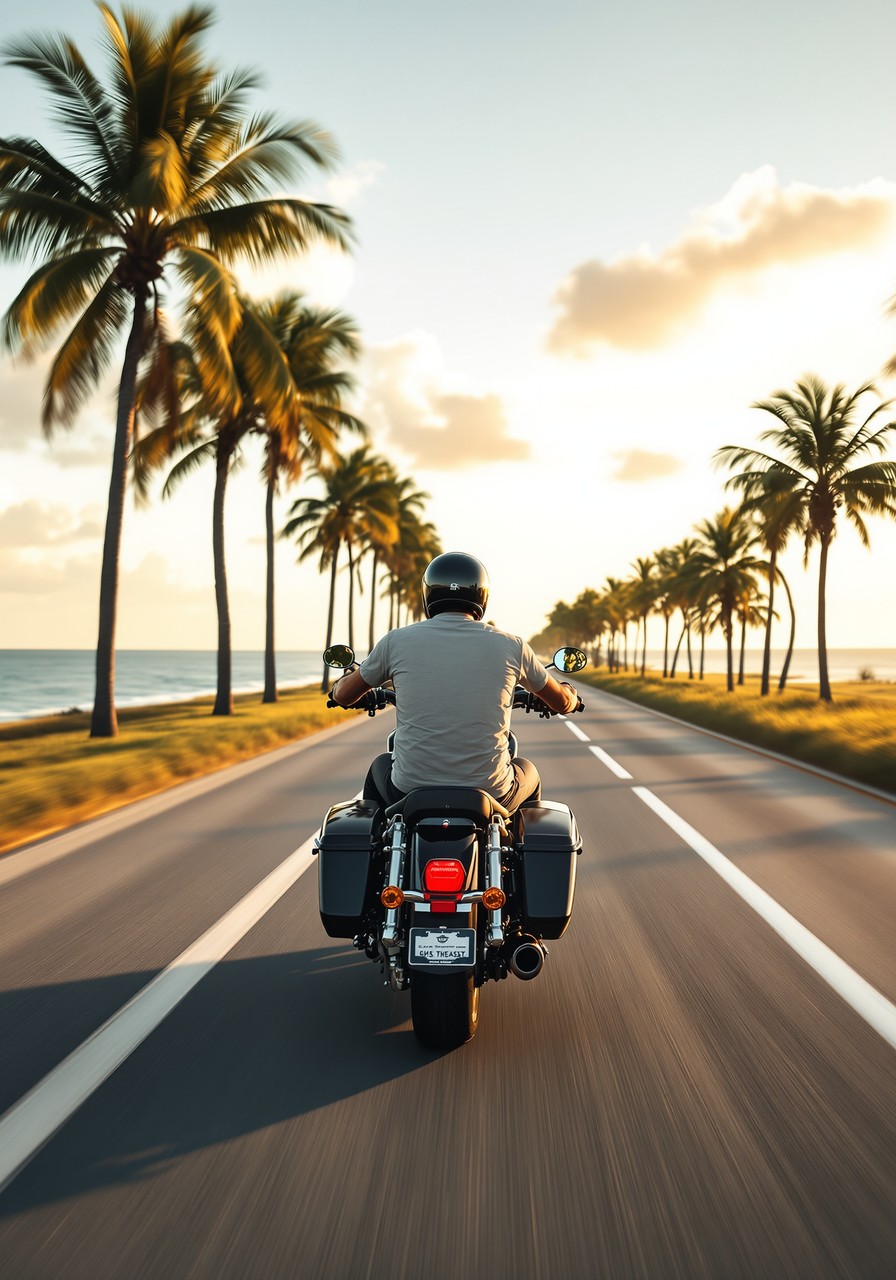
December in Florida is why we live here. Cool mornings, dry air, and the Gulf Coast wide open while half the country is scraping ice. #RideNationFL #GulfCoast #FloridaRiders
Gear & New Iron
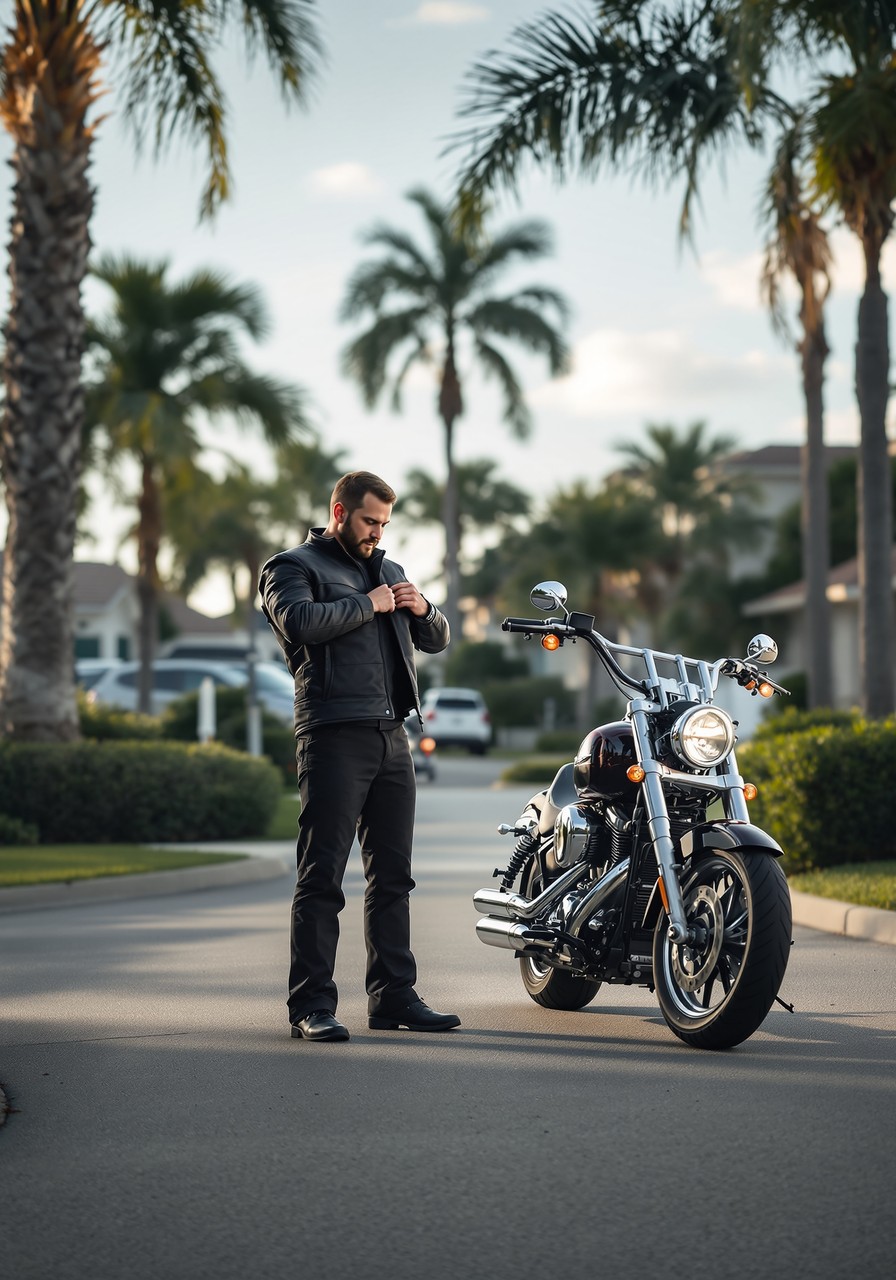
ATGATT is a boring rule until the day it saves your skin on hot Florida asphalt. All the gear, all the time, even for the short ride. #RideNationFL #ATGATT #BikerLife
Safety & FL Law
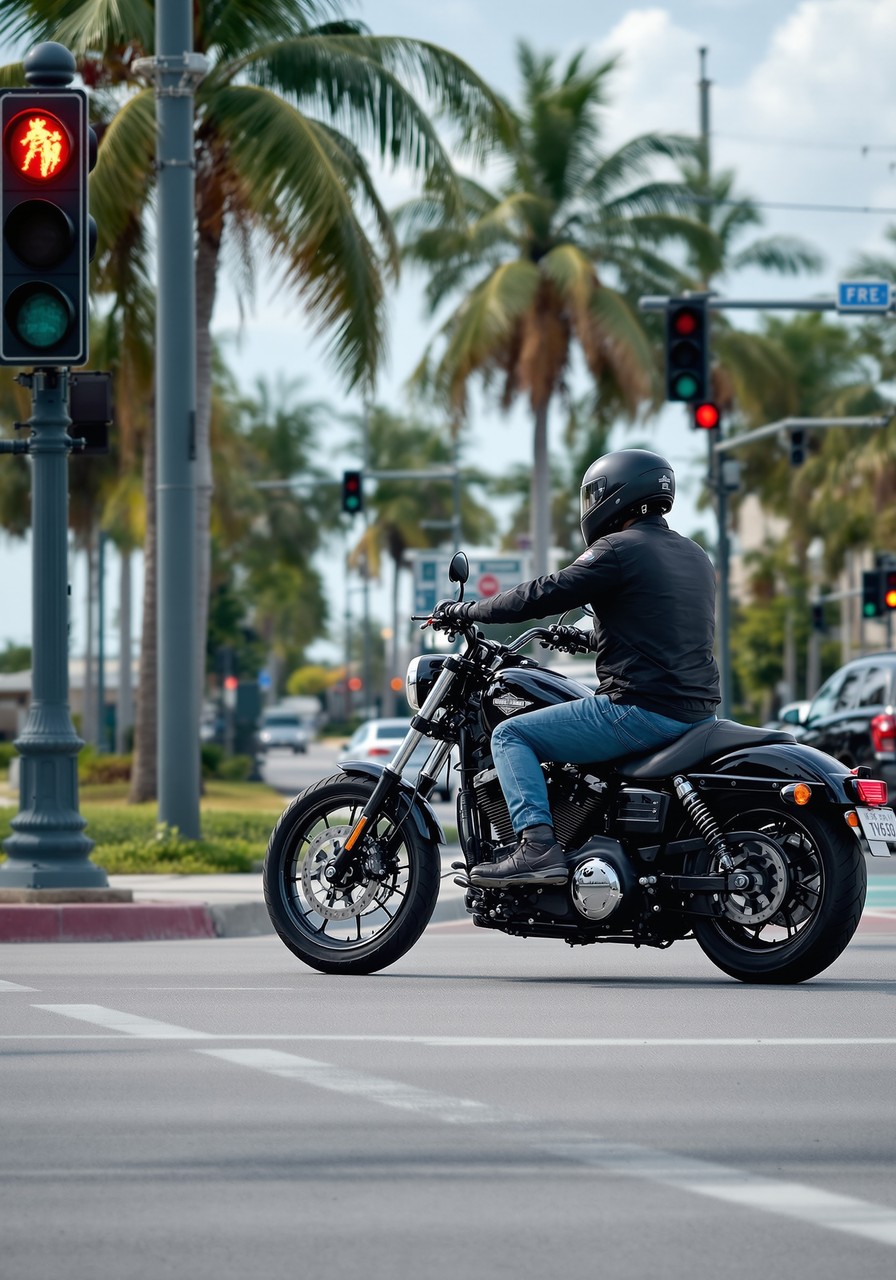
The clock is shorter than it used to be. Florida cut the injury claim deadline from 4 years to 2. Do not let time run out on your rights. Free to talk it over. Whittel & Melton, 352-666-6666. #RideNationFL #FloridaLaw #KnowYourRights
Engagement
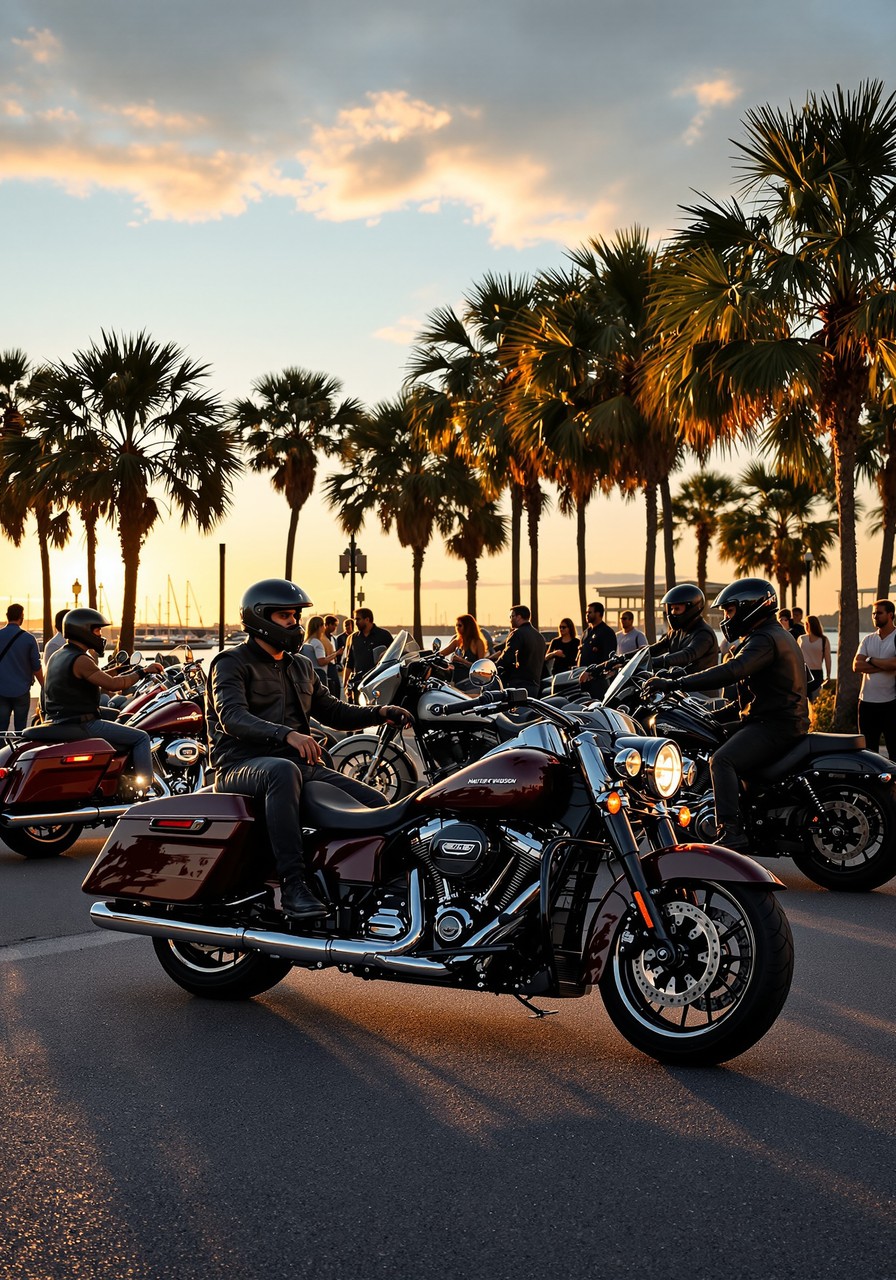
Tag the rider who taught you everything you know. #RideNationFL #RideOrDie #TwoWheels
Giveaway & Countdown
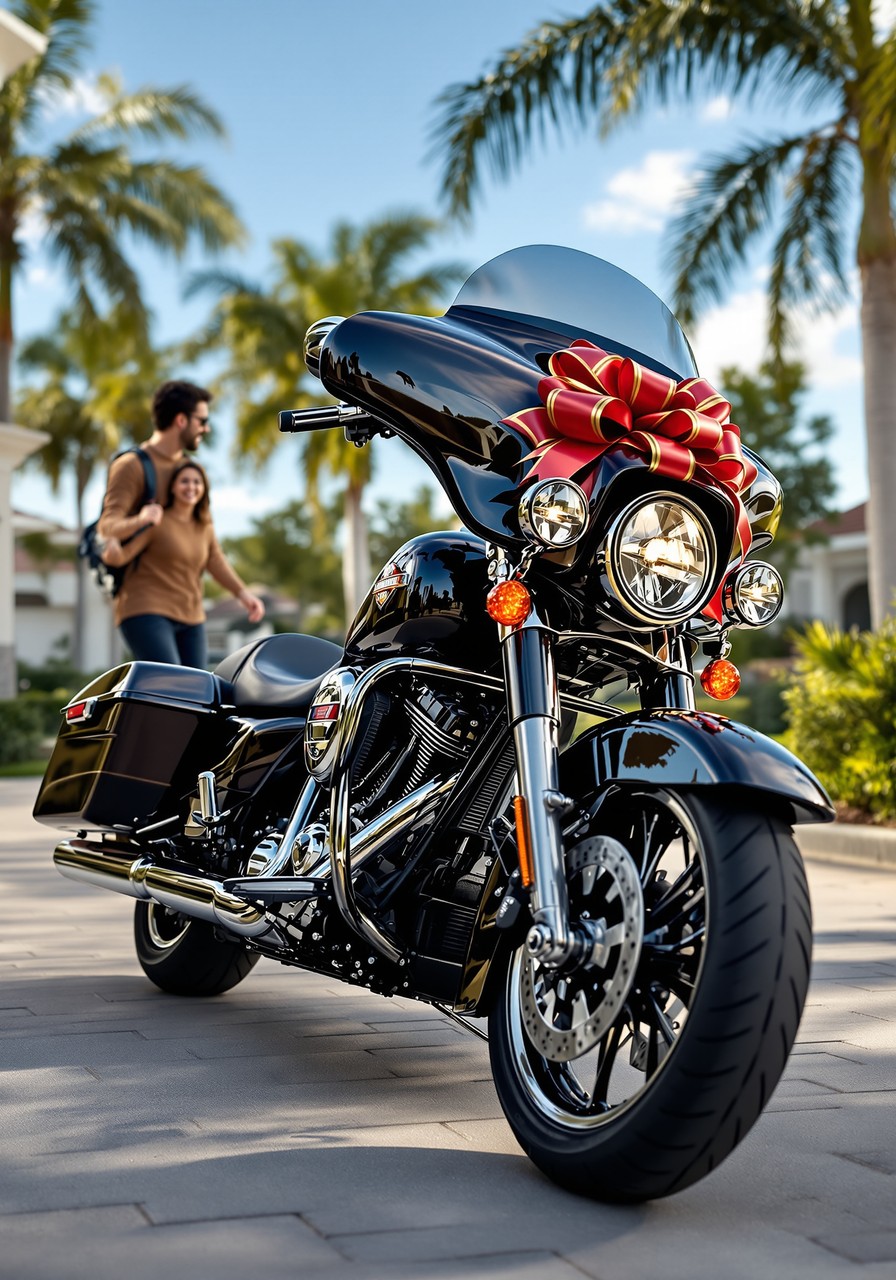
Every rider you tag gets a shot at $20,000 toward a new bike. Spread the word, entry link in the comments. #RideNationFL #BikersWin #TampaBay
Local FL & Rides
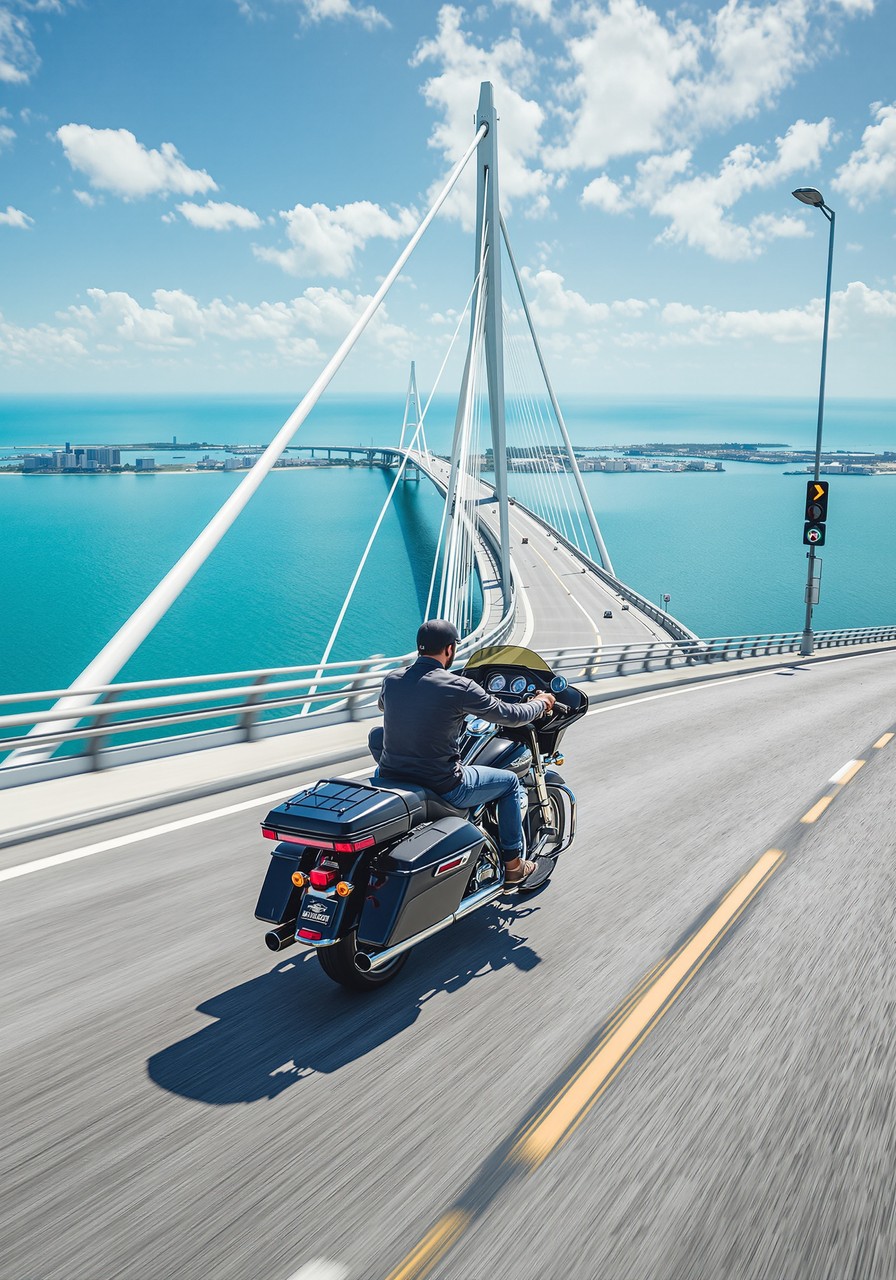
Peak season is here. Snowbird traffic is thick from now through February, so leave early and give yourself extra room. #RideNationFL #FloridaRiders #TampaBay
Gear & New Iron
Real gloves cover your palms and knuckles for a reason. Your hands hit first and Florida pavement does not forgive bare skin. #RideNationFL #GearUp #ATGATT
Safety & FL Law
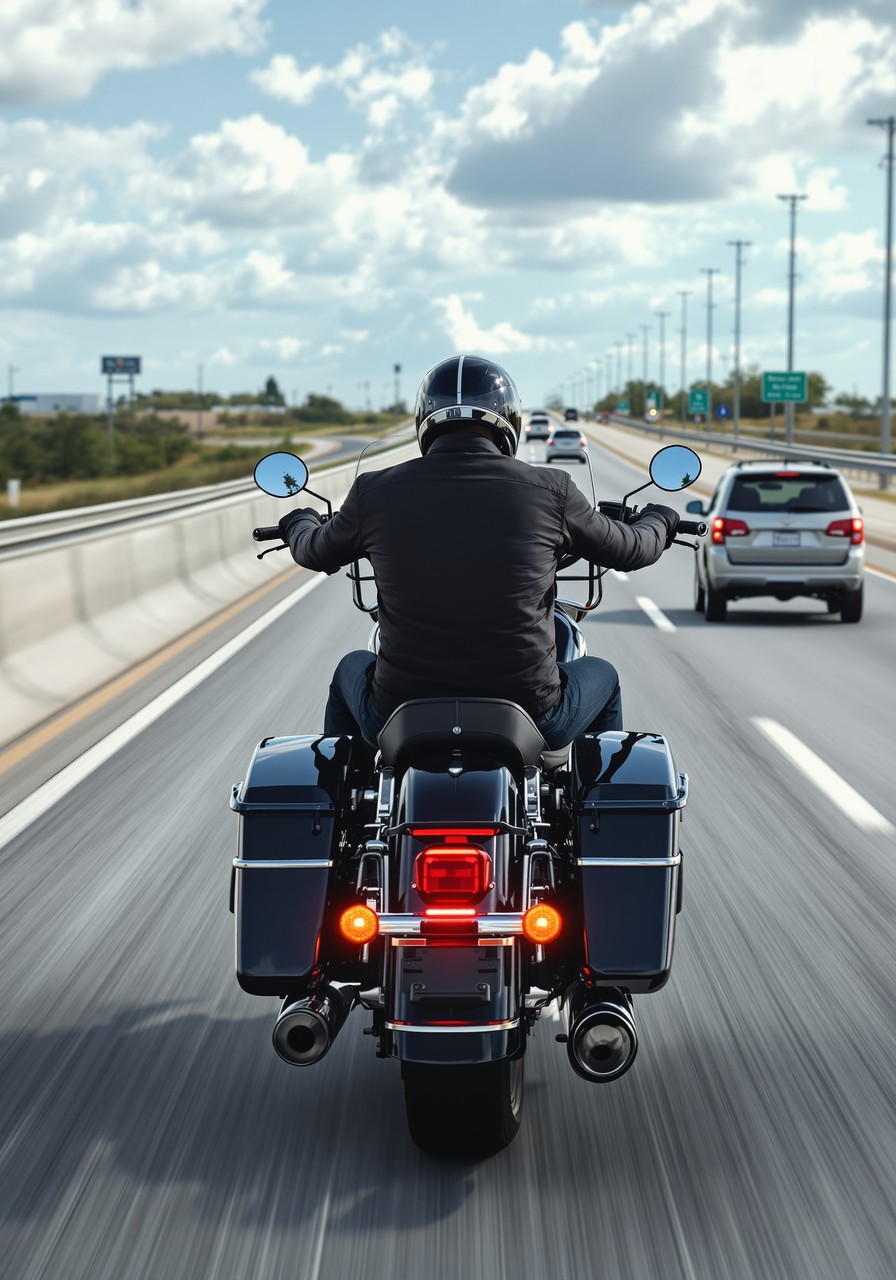
Straight talk. Lane splitting and filtering are NOT legal in Florida. Hold your lane and give yourself room. Ride safe out there. If a driver puts you down, Jason Melton is here, 352-666-6666. #RideNationFL #FloridaLaw #MotorcycleSafety
Engagement
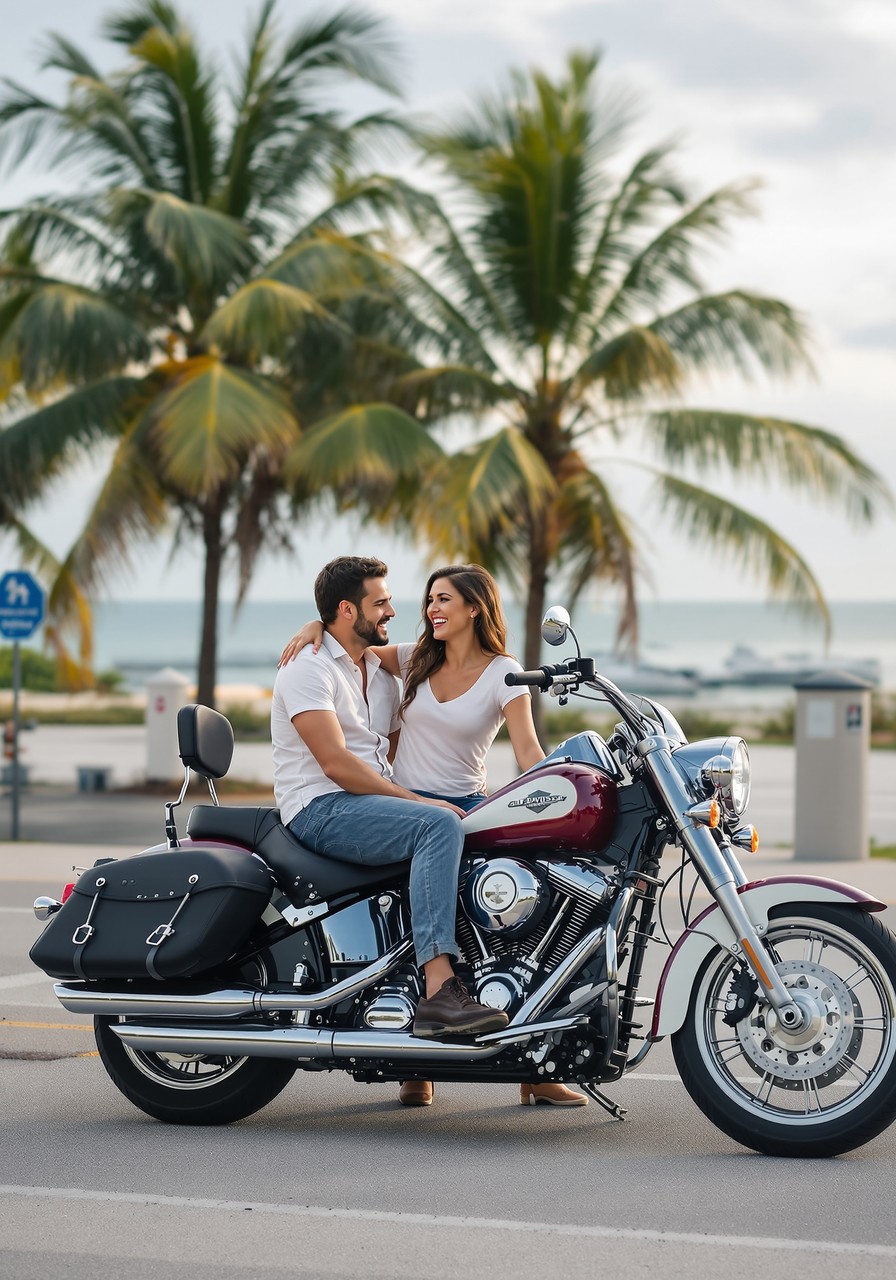
Fill in the blank: my perfect Florida ride day starts with ______ and ends with ______. #RideNationFL #Florida #GulfCoast
Giveaway & Countdown
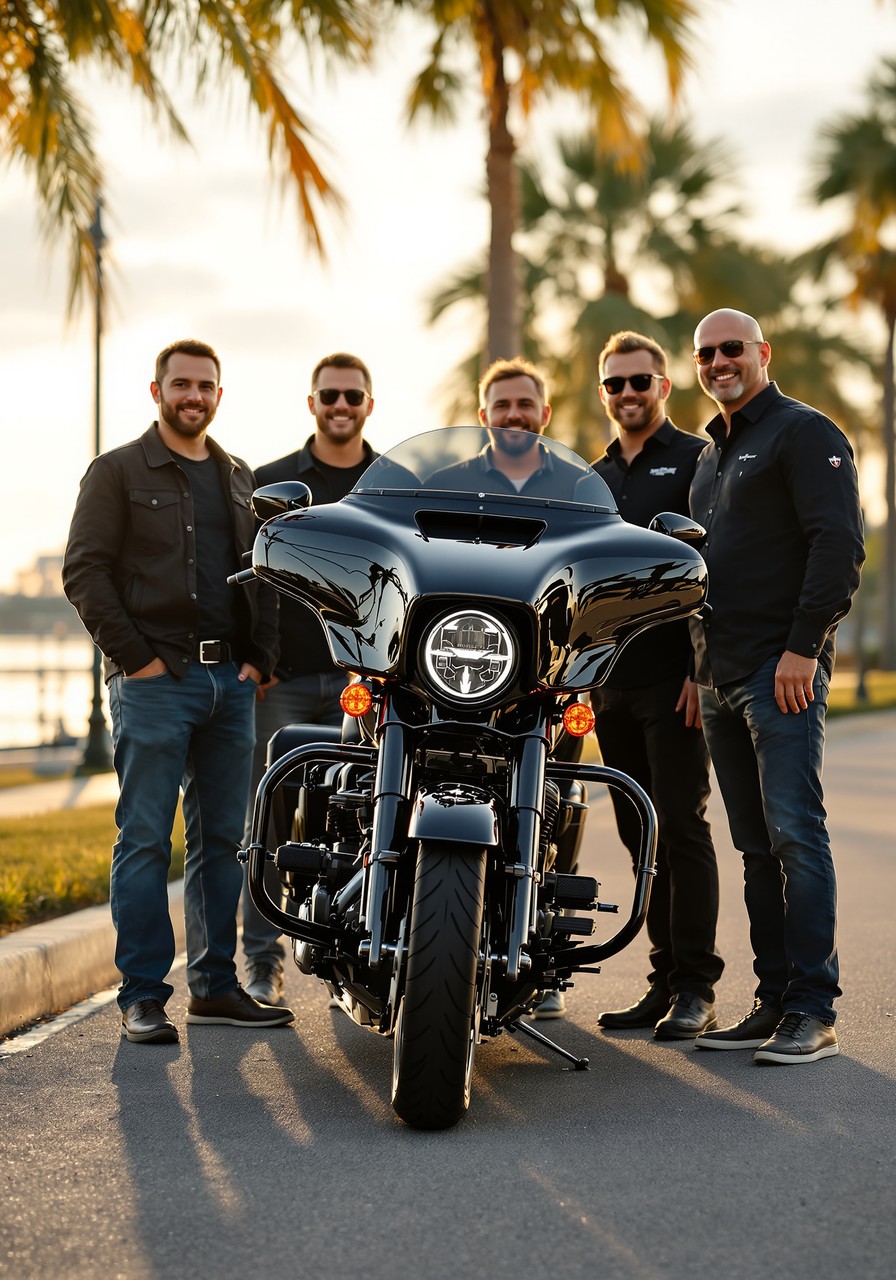
One entry. Two minutes. A shot at $20,000 toward any motorcycle. Drawn December 10, link in comments. Whittel & Melton has your back on the road, 352-666-6666. #RideNationFL #20kGiveaway #WinABike
Local FL & Rides
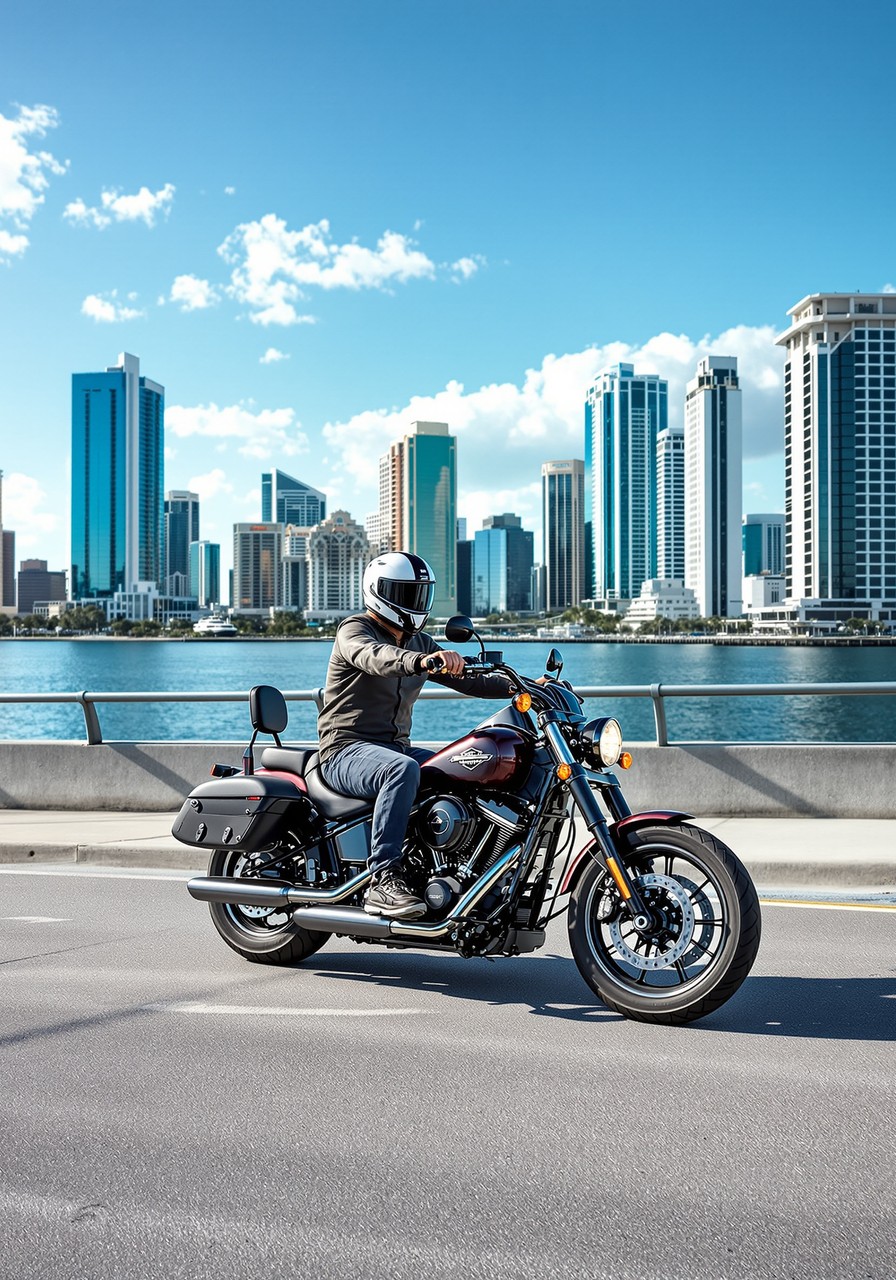
Bike Week buzz is building for late February. Start planning your route down now before the traffic thickens up. #RideNationFL #FloridaRiders #Florida
Gear & New Iron
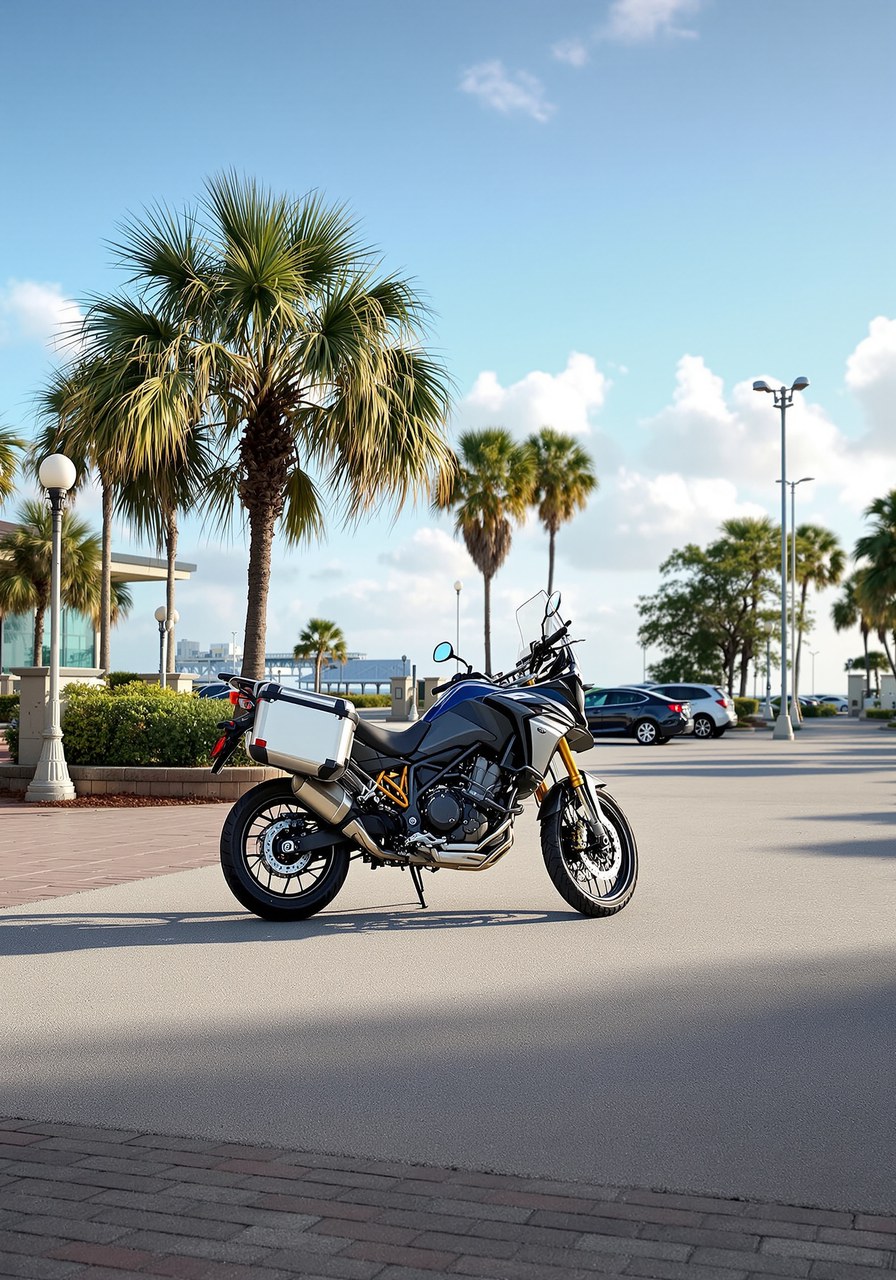
Over the ankle boots beat sneakers every time. A foot peg or a low side can wreck an ankle a shoe would never protect. #RideNationFL #GearUp #ATGATT
Safety & FL Law
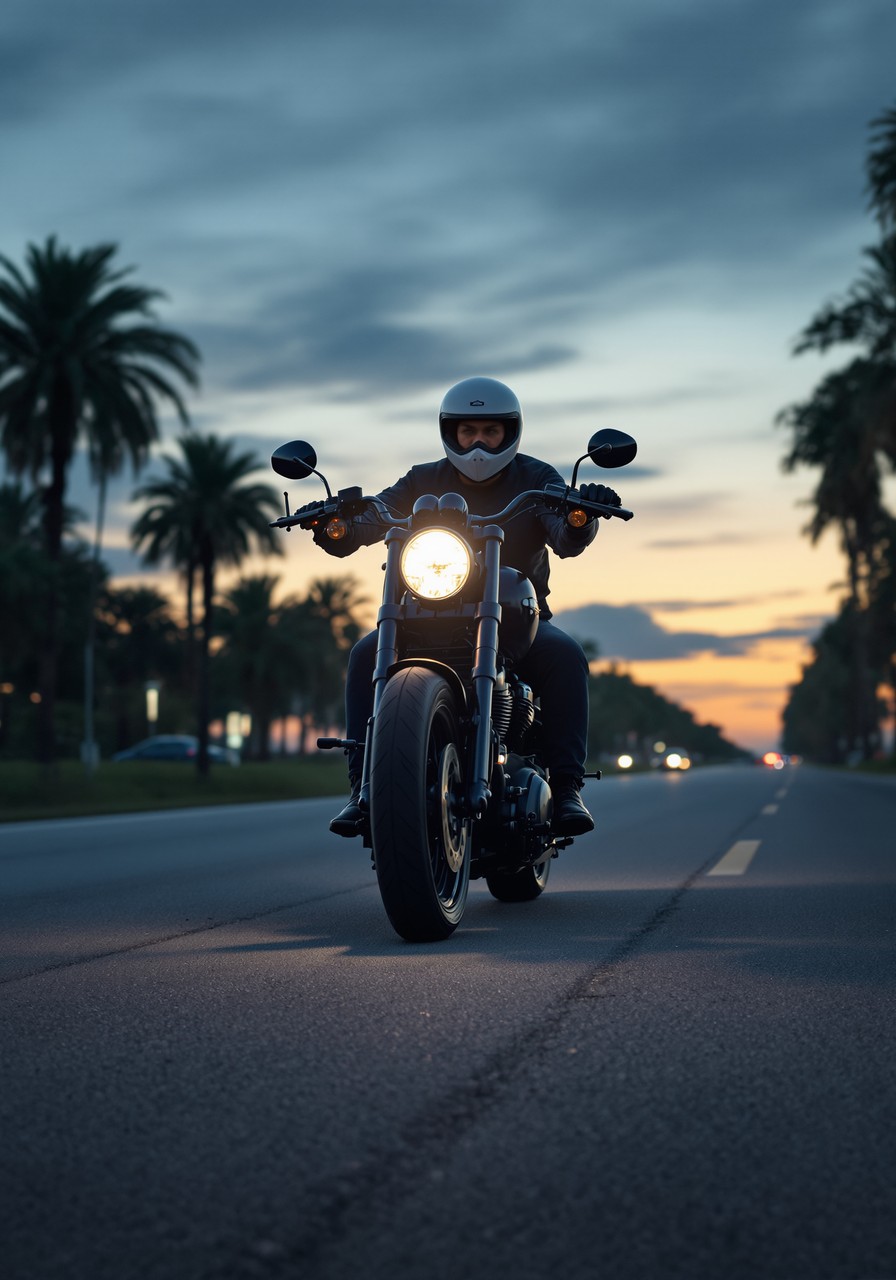
Tempted to slip between stopped cars? In Florida, lane splitting and filtering are not legal. Keep your lane, keep your space. Got hurt anyway? Call Whittel & Melton, no cost to talk, 352-666-6666. #RideNationFL #FloridaLaw #RiderSafety
Engagement
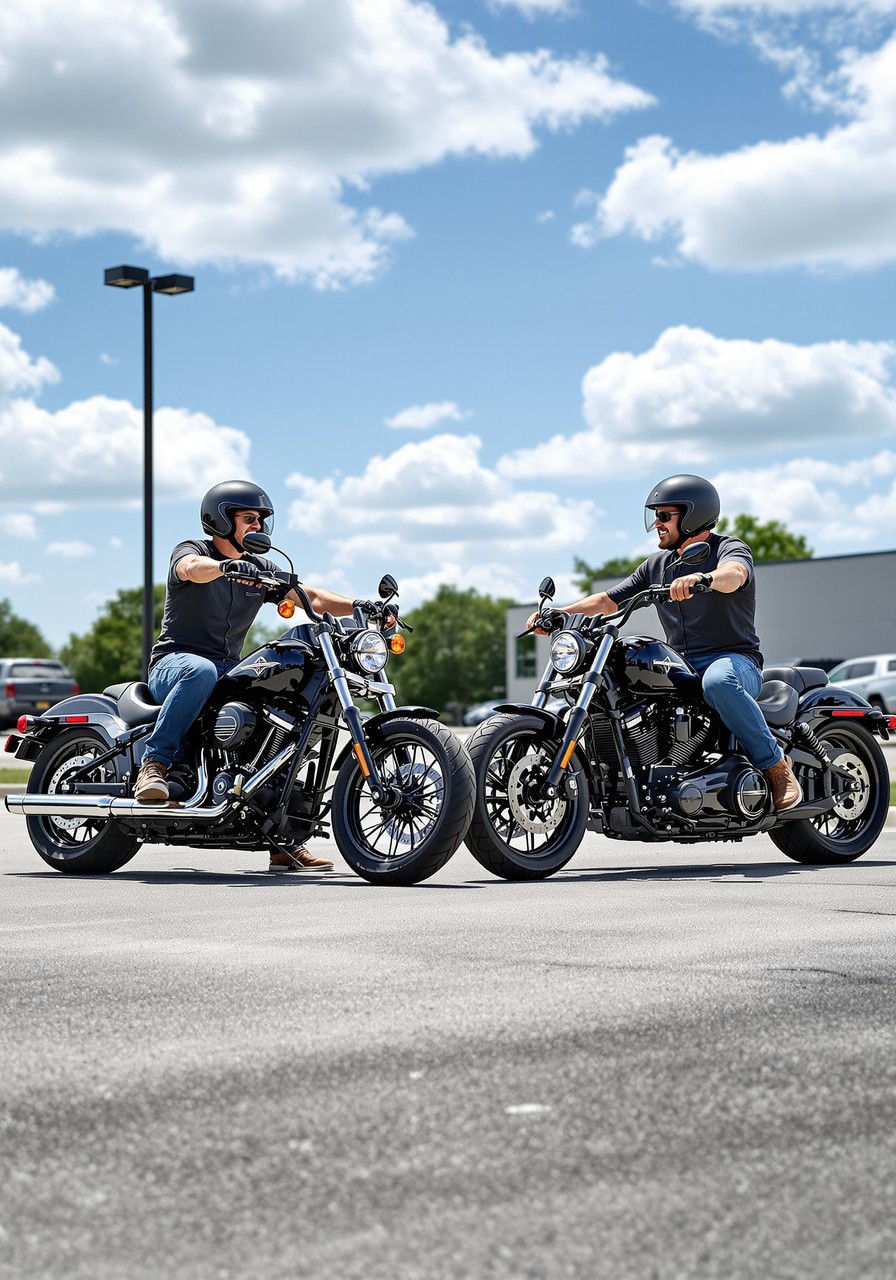
Real talk: what year and model was your first bike? We want to see the throwbacks. #RideNationFL #BikerLife #FloridaRiders
Giveaway & Countdown
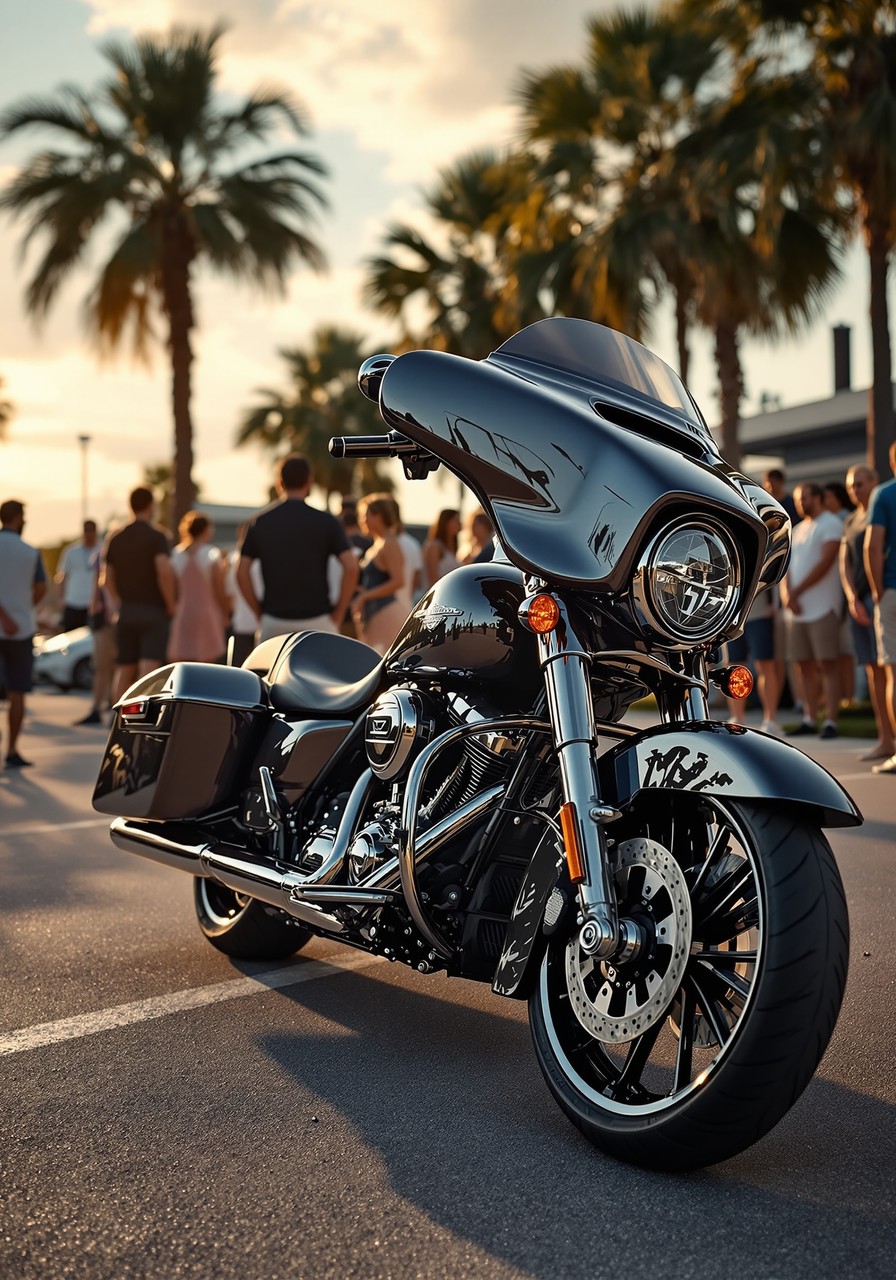
Cruiser, sport, adventure, or a full custom? $20,000 covers a lot of bike. Tell us your pick, then enter, link in comments. #RideNationFL #MotorcycleGiveaway #FloridaRiders
Local FL & Rides
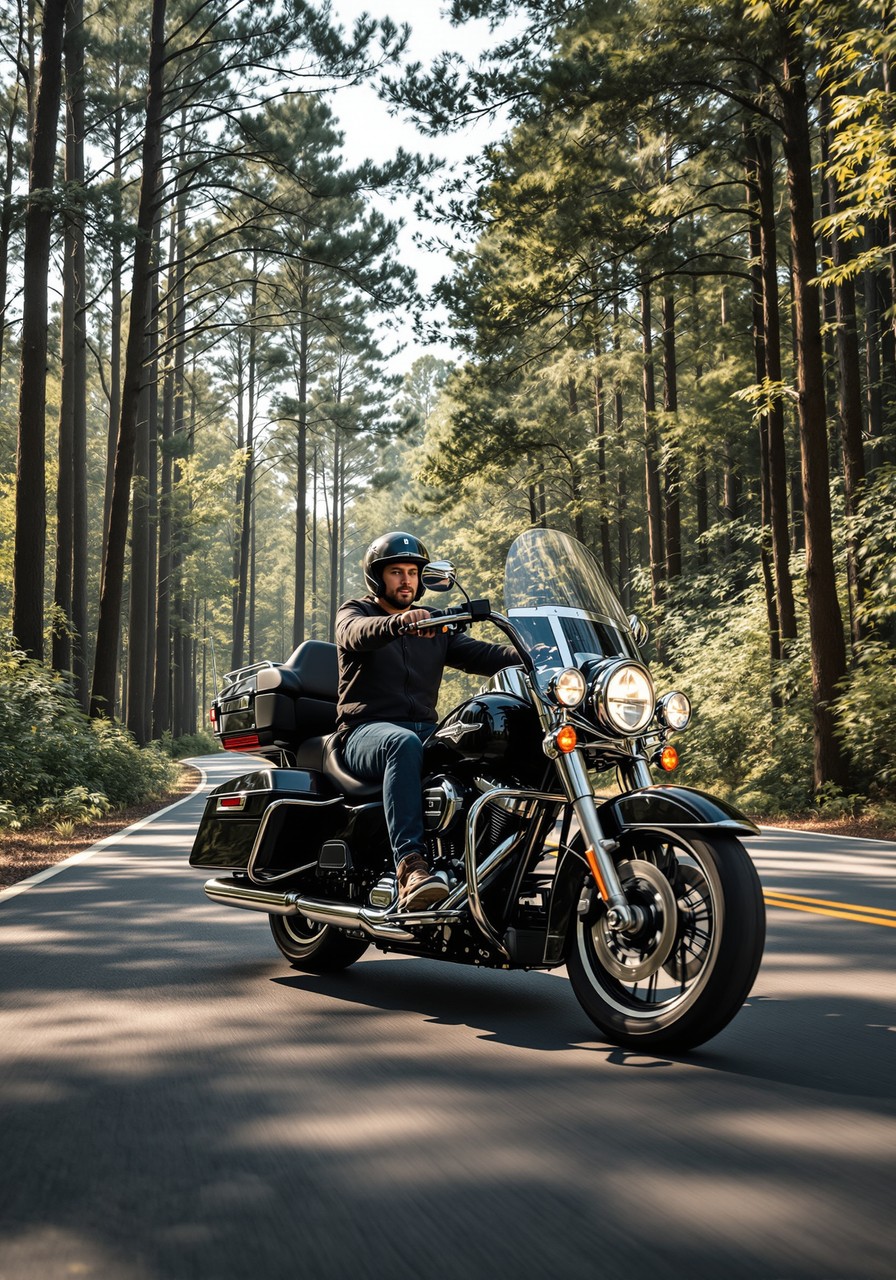
January cold front means glassy mornings and perfect grip. Layer up, the Nature Coast is calling. #RideNationFL #NatureCoast #MotorcycleRoads
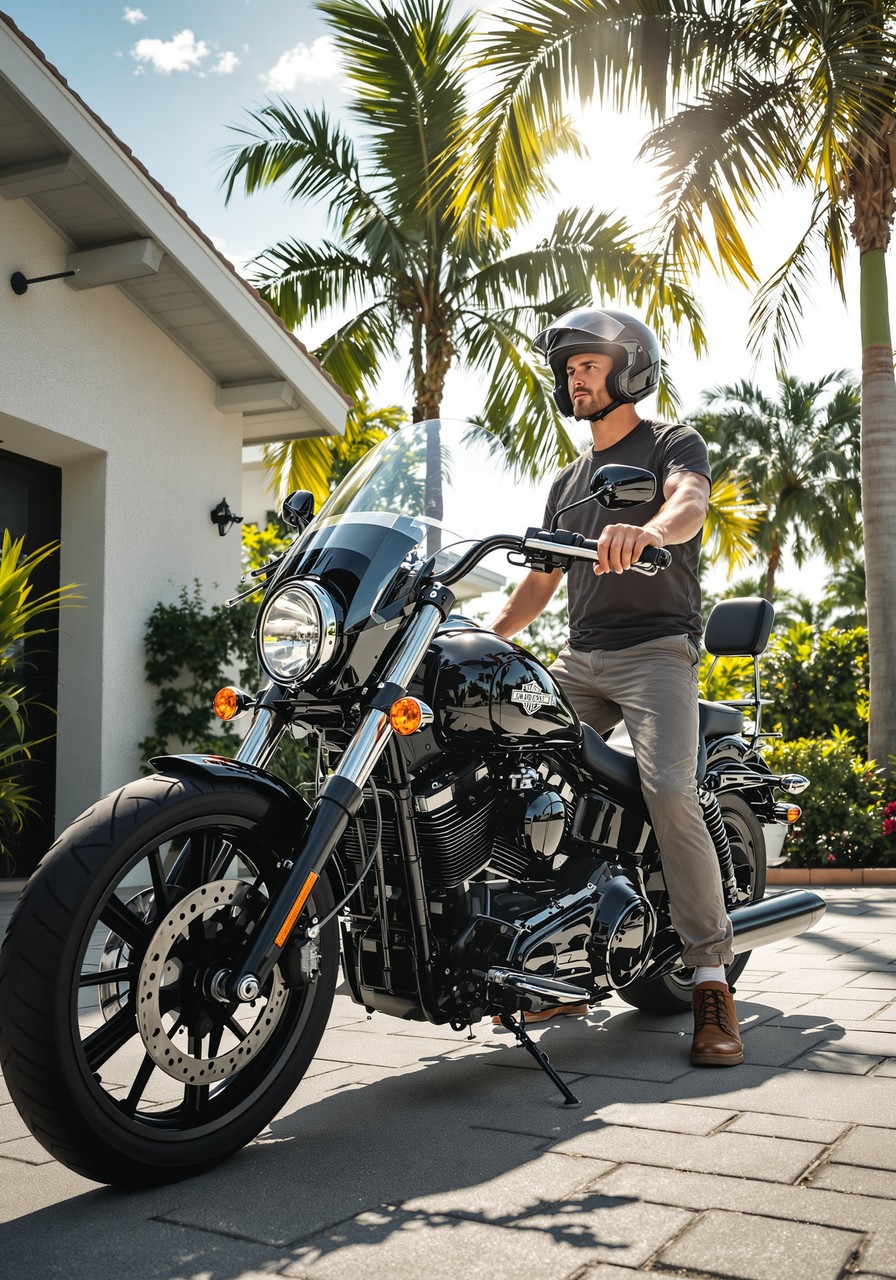
Gear & New Iron
Check your tire dates. That code on the sidewall tells you the week and year it was built, and rubber ages out even with tread left. #RideNationFL #MotorcycleMaintenance #RiderTips
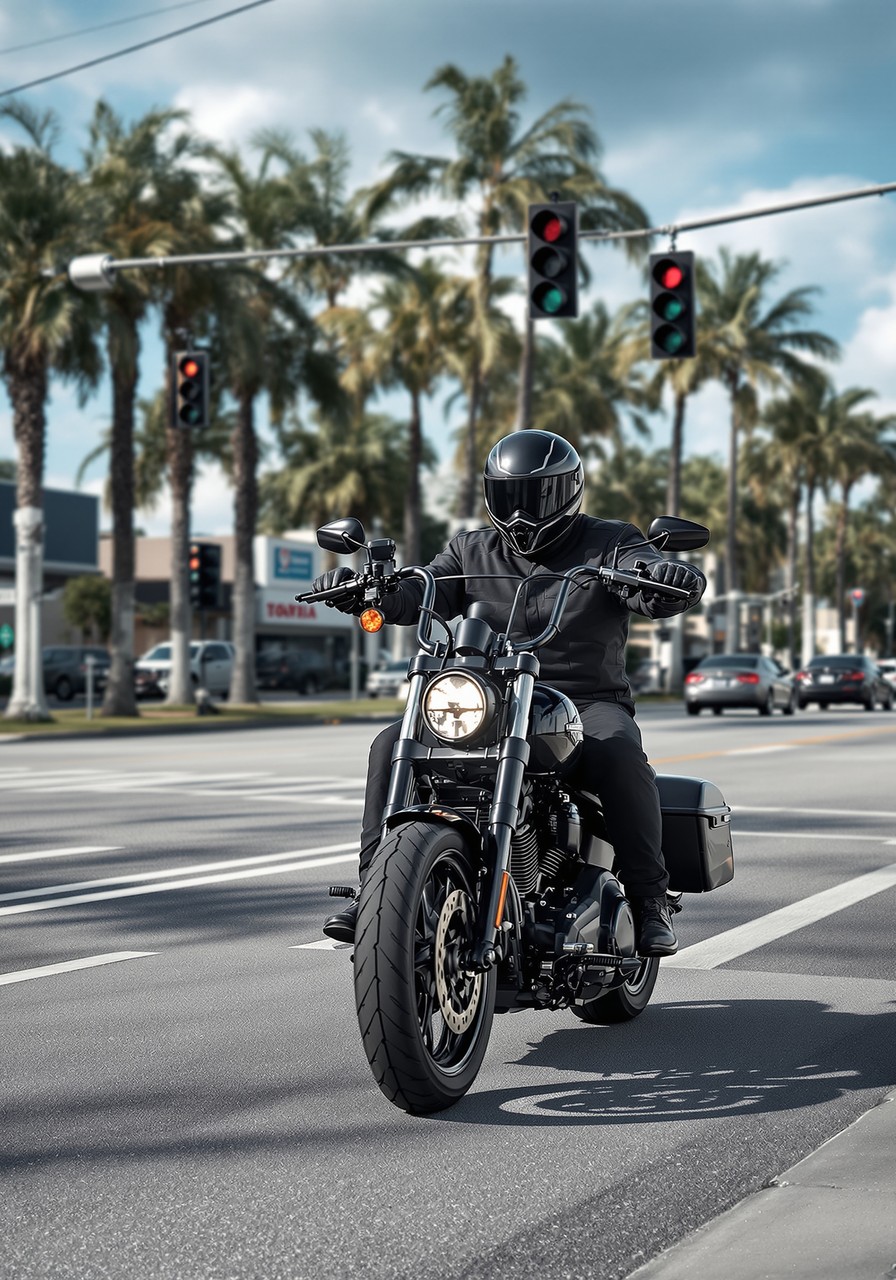
Safety & FL Law
Left-turning cars are the number one threat to riders. They look right through you and turn across your path. Cover your brakes at every intersection. Hurt by a careless driver? Jason Melton, 352-666-6666. #RideNationFL #MotorcycleSafety #RiderSafety
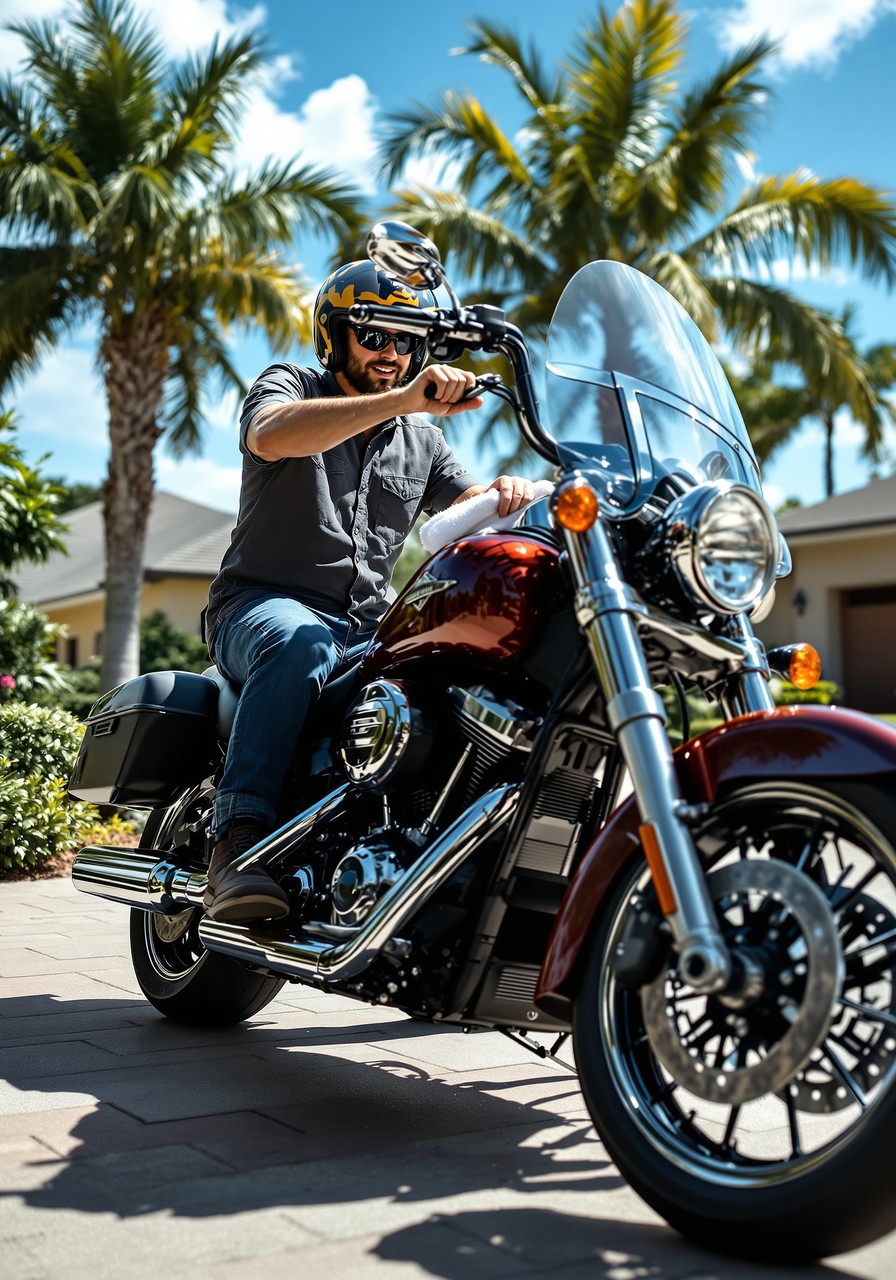
Engagement
This or that: cruiser lean back comfort or sport bike tuck? No wrong answers. #RideNationFL #TwoWheels #TampaBay
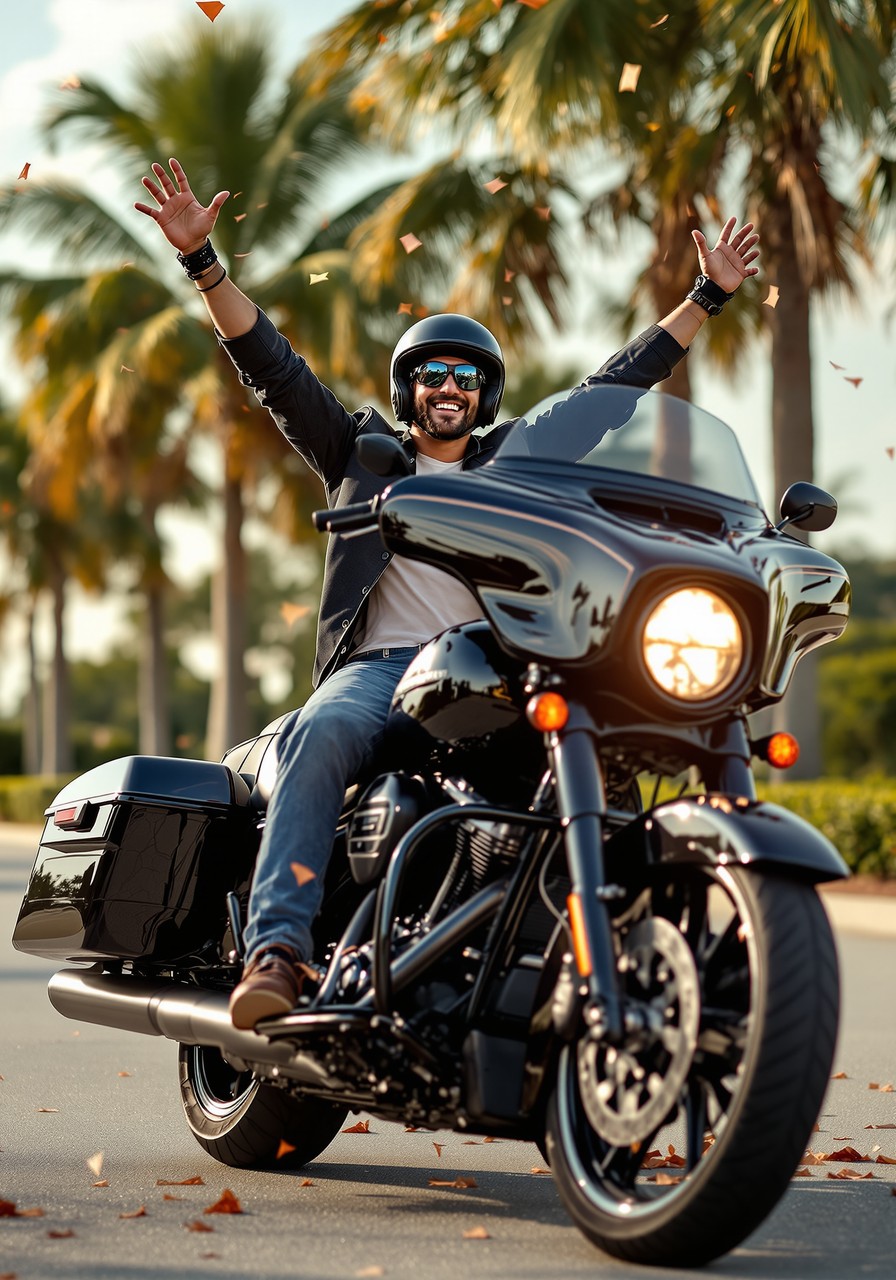
Giveaway & Countdown
Less than two weeks to December 10. $20,000 is on the line and it costs you nothing to enter. Link in comments. Whittel & Melton, 352-666-6666. #RideNationFL #BikersWin #20kGiveaway
Local FL & Rides
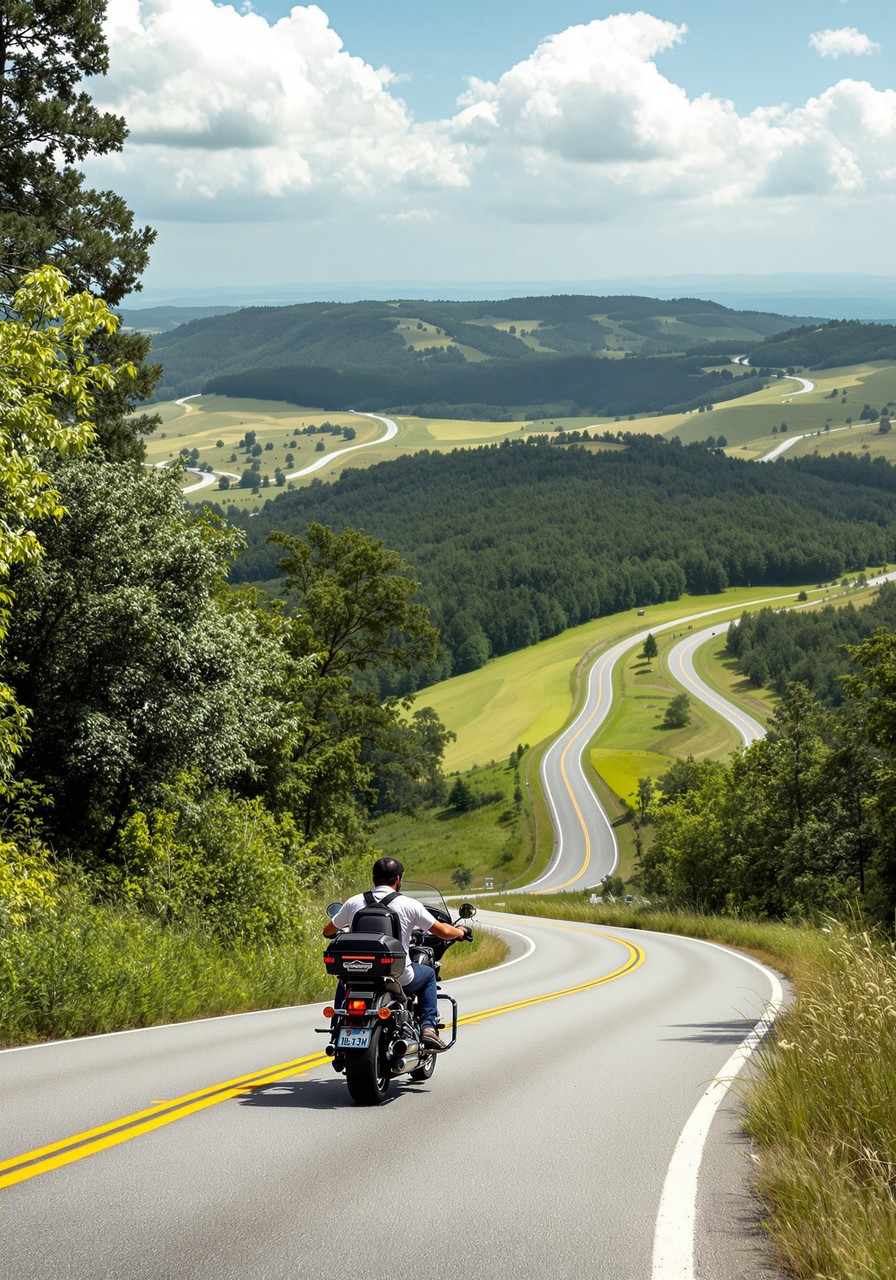
Watch that afternoon storm wall in summer. When the sky stacks up over the Gulf, get in early and let the first rain pass. #RideNationFL #GulfCoast #FloridaRiders
Gear & New Iron
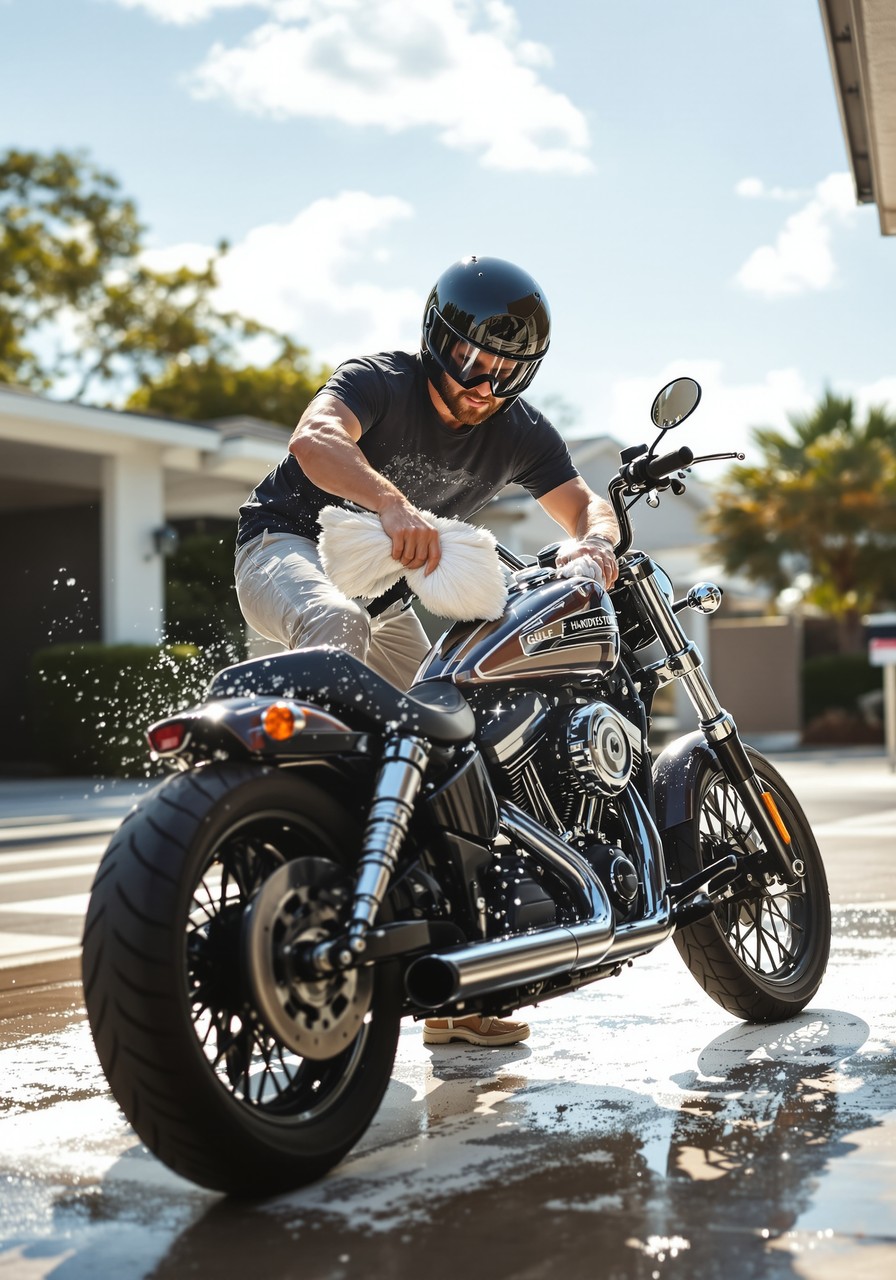
Penny test your tread before the weekend ride. Bald tires and a Florida afternoon downpour do not mix. #RideNationFL #MotorcycleMaintenance #RiderTips
Safety & FL Law
That car waiting to turn left is the one to watch. Assume they do not see you and set up your escape. Ride your own ride. If the worst happens, Whittel & Melton has your back, 352-666-6666. #RideNationFL #RiderSafety #MotorcycleSafety
Engagement
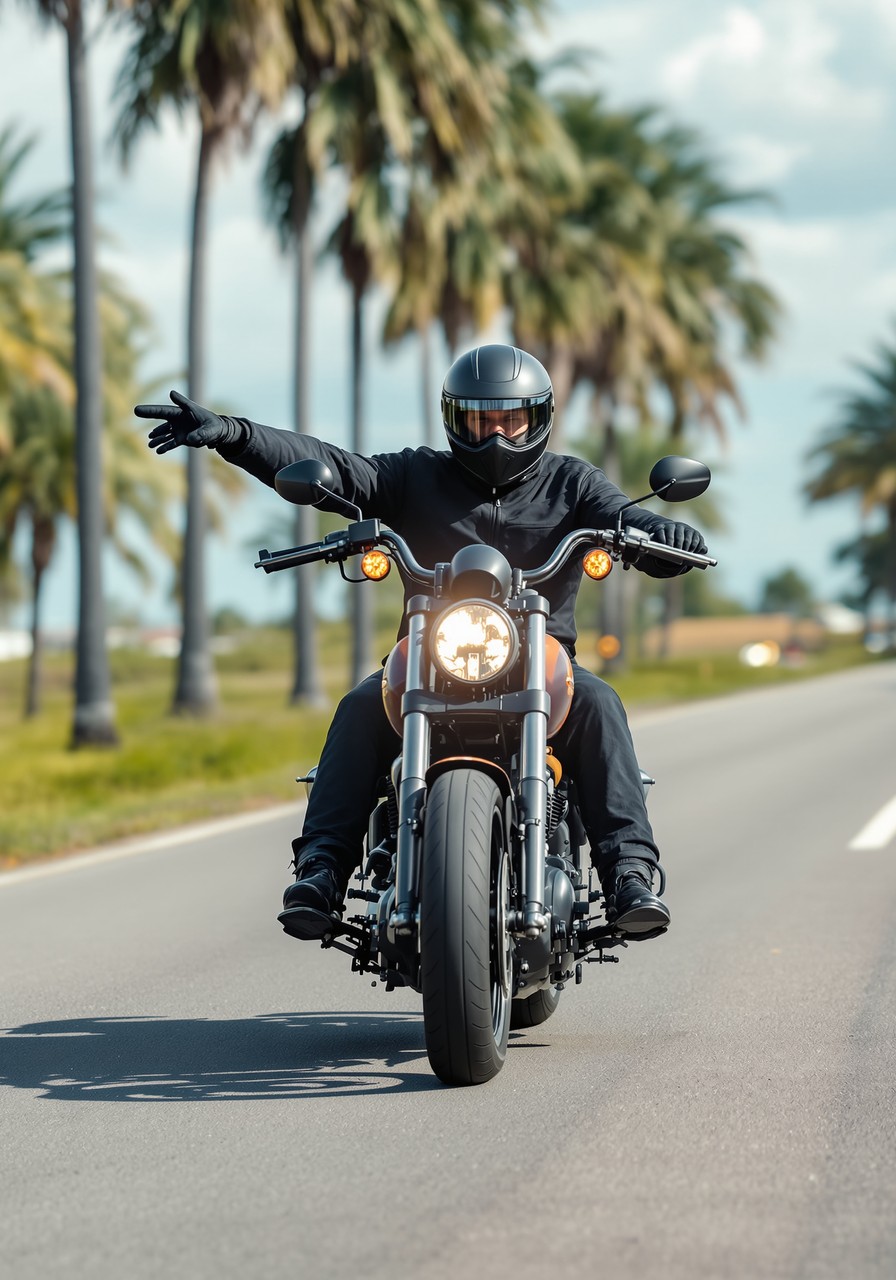
Snowbird season is here. Wave or nod? How do you greet a rider you pass? #RideNationFL #FloridaRiders #GulfCoast
Giveaway & Countdown
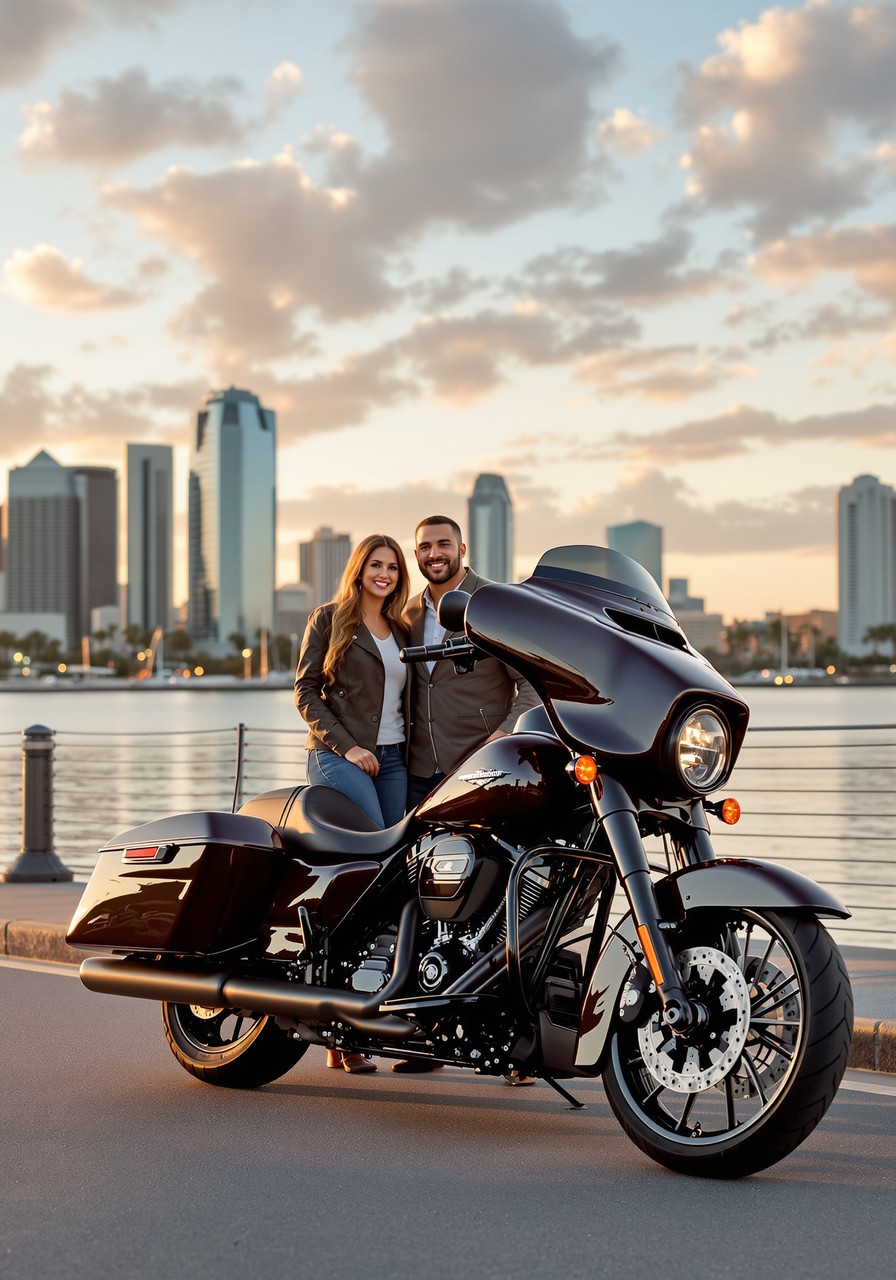
Riders 18 and up, this one is free. $20,000 toward the bike you want, drawn December 10. Entry link in the comments. Been in a wreck? Whittel & Melton, 352-666-6666. #RideNationFL #FreeToEnter #TampaBay
Local FL & Rides
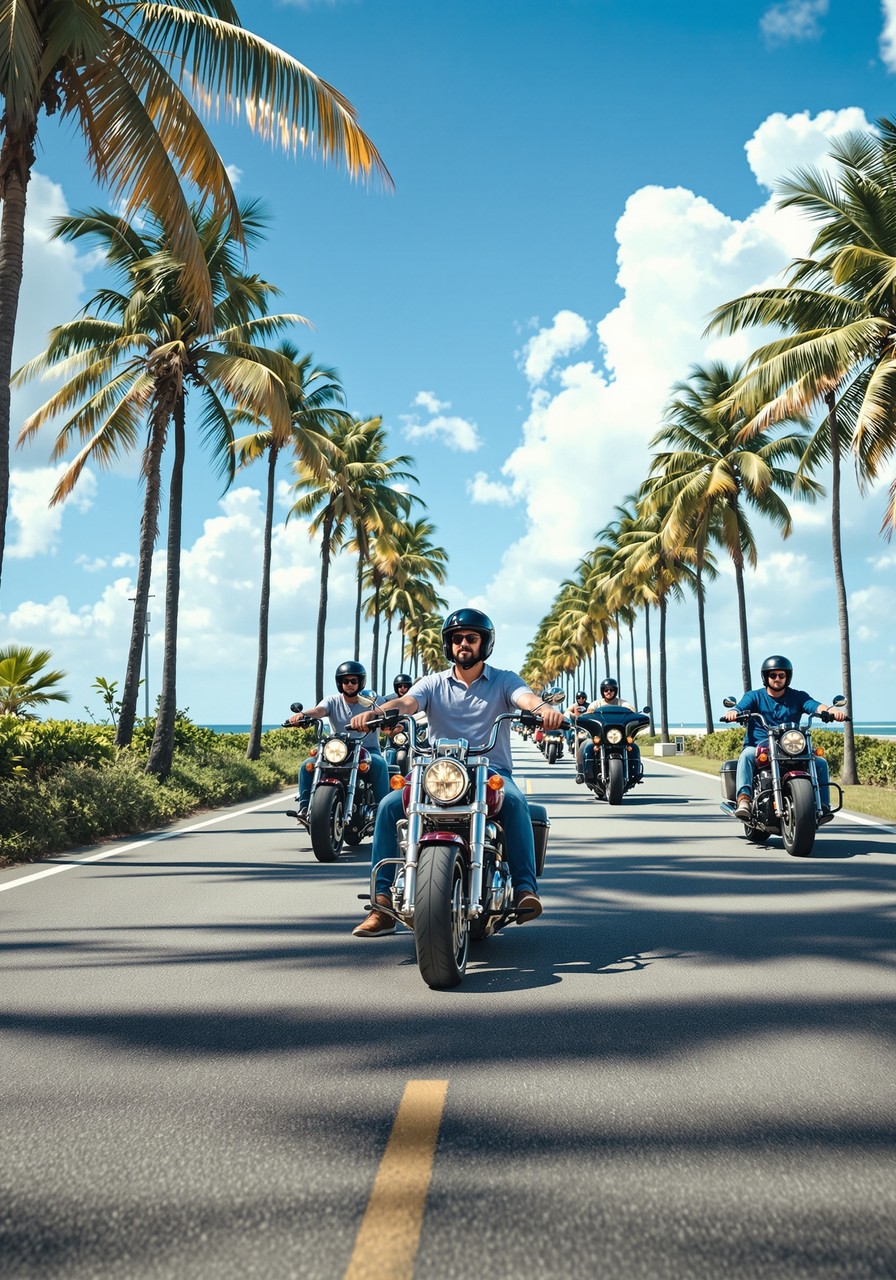
First rain after a dry spell is the slickest road you will ride all year. Oil comes up fast, so ease off the first ten minutes. #RideNationFL #MotorcycleRoads #Florida
Gear & New Iron
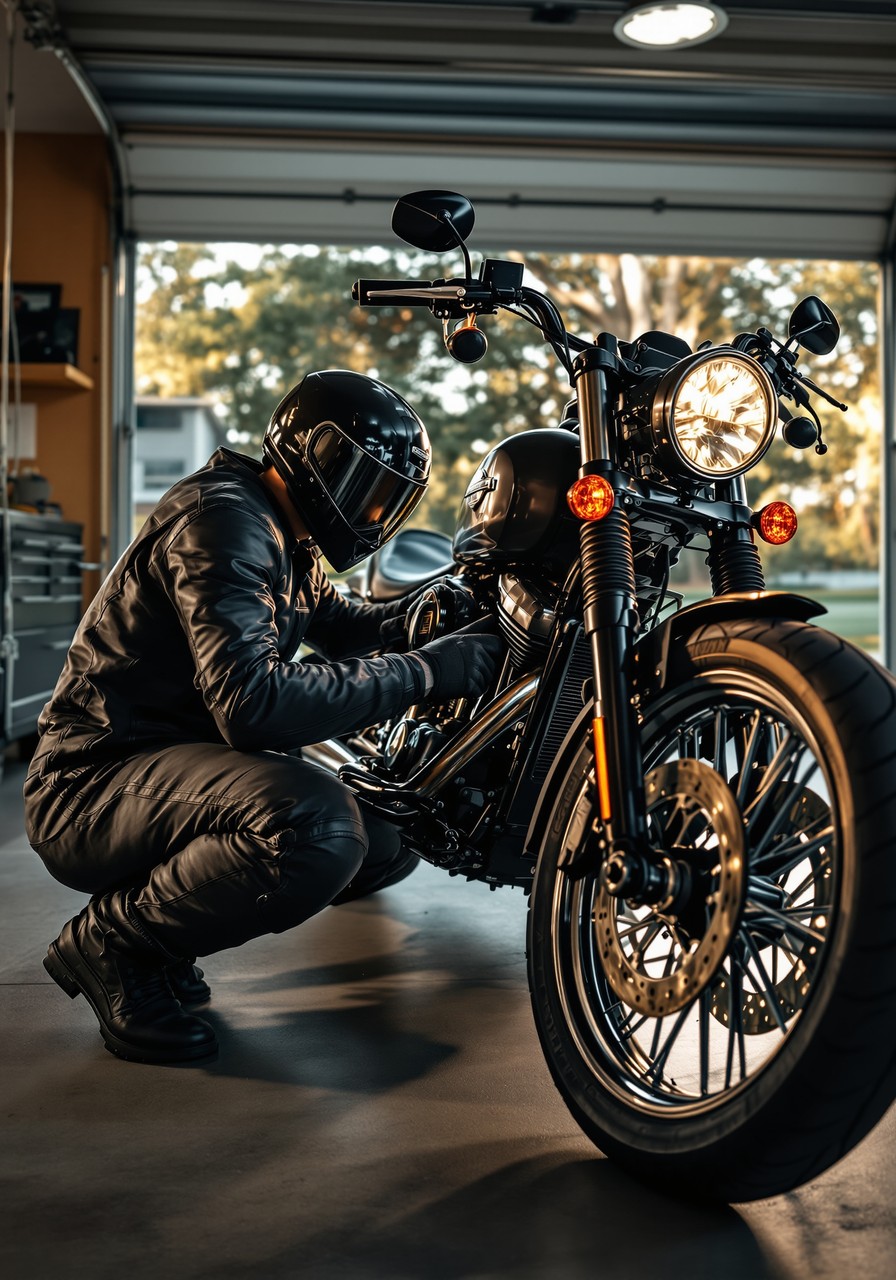
Tire pressure climbs in the heat, so set it cold in the morning, not after you have been riding. Florida asphalt does the rest. #RideNationFL #MotorcycleMaintenance #FloridaHeat
Safety & FL Law
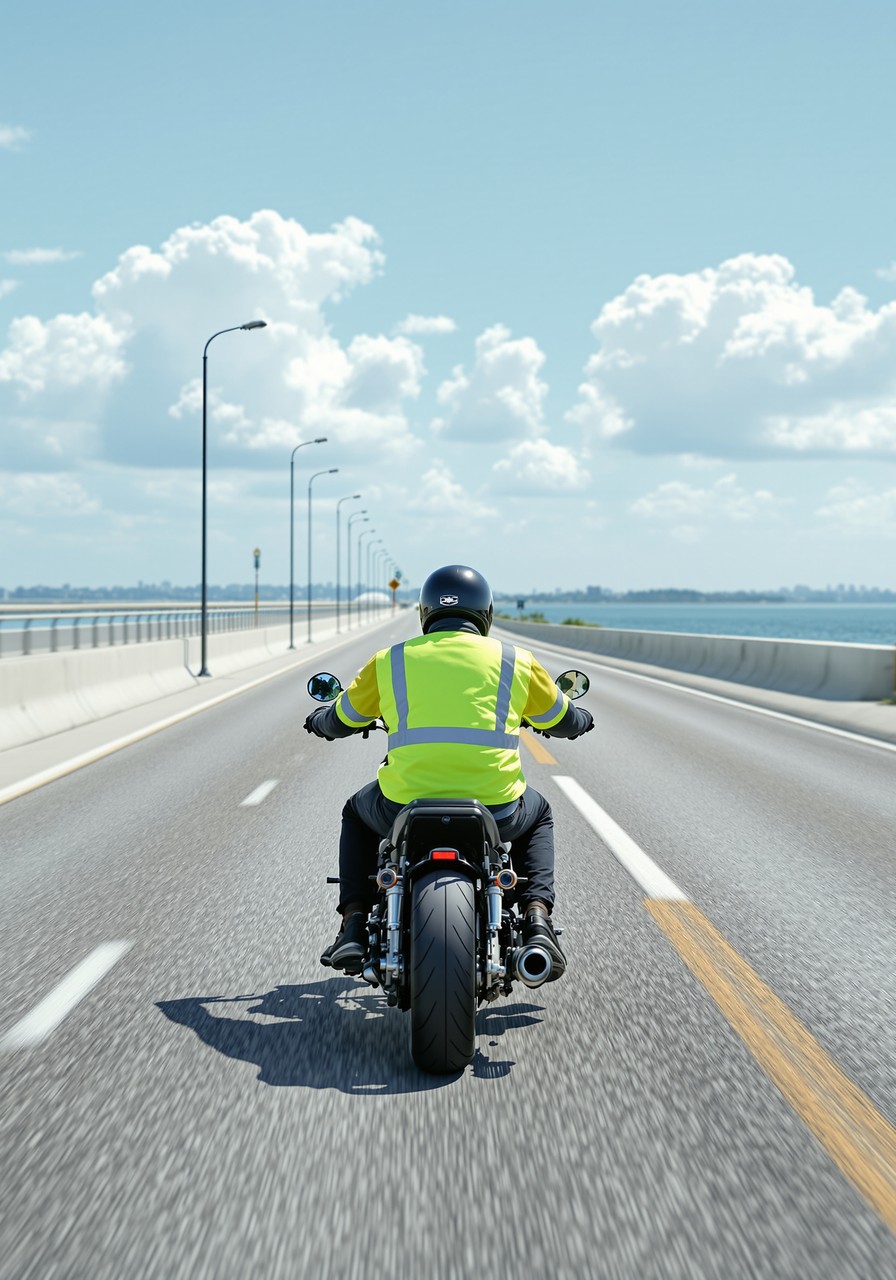
Snowbird season means more out-of-town and rental drivers who do not know our roads. Give them extra space and stay visible. Ride smart. Hit by a distracted driver? Call Jason Melton, 352-666-6666. #RideNationFL #FloridaRiders #RiderSafety
Engagement
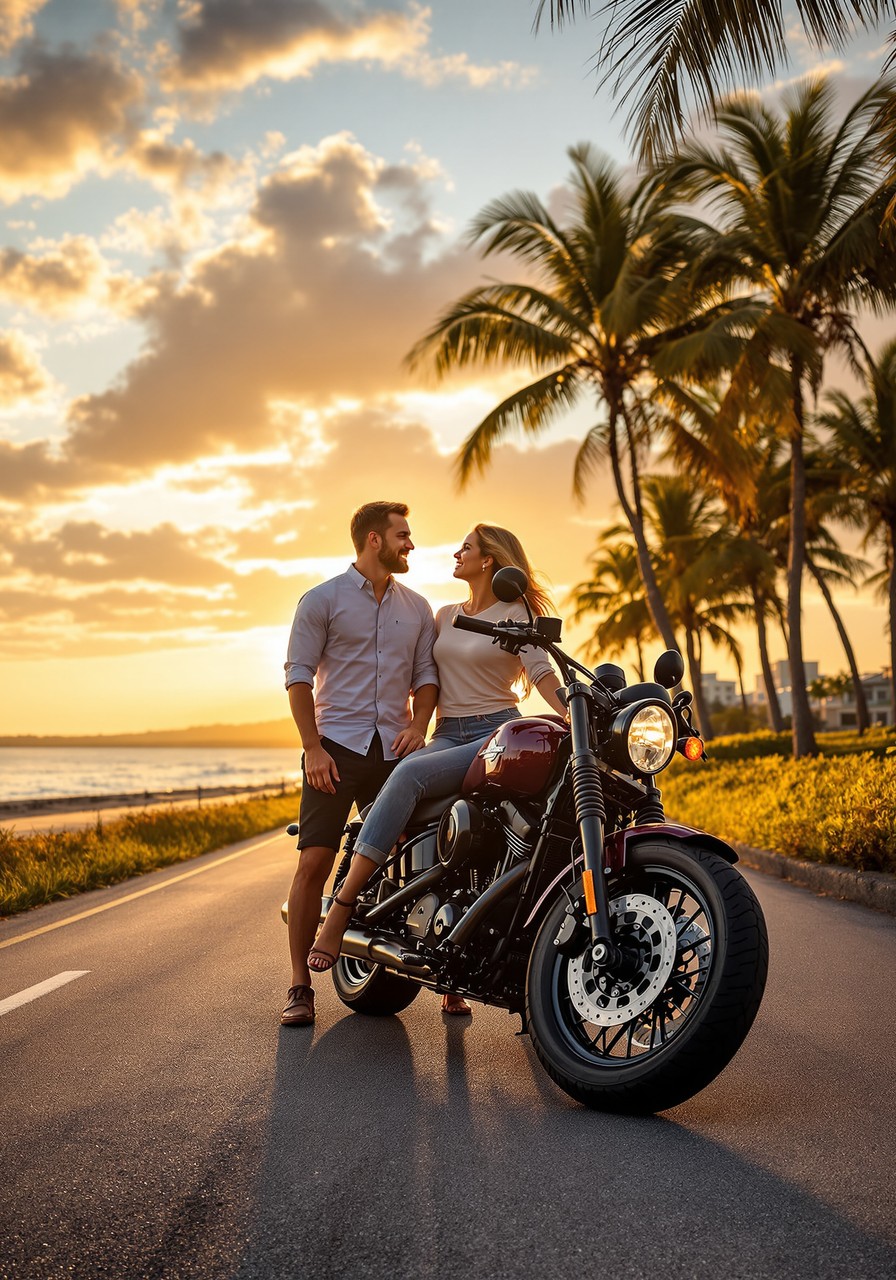
Drop one emoji that sums up your riding style. Just one. #RideNationFL #BikerLife #TwoWheels
Giveaway & Countdown
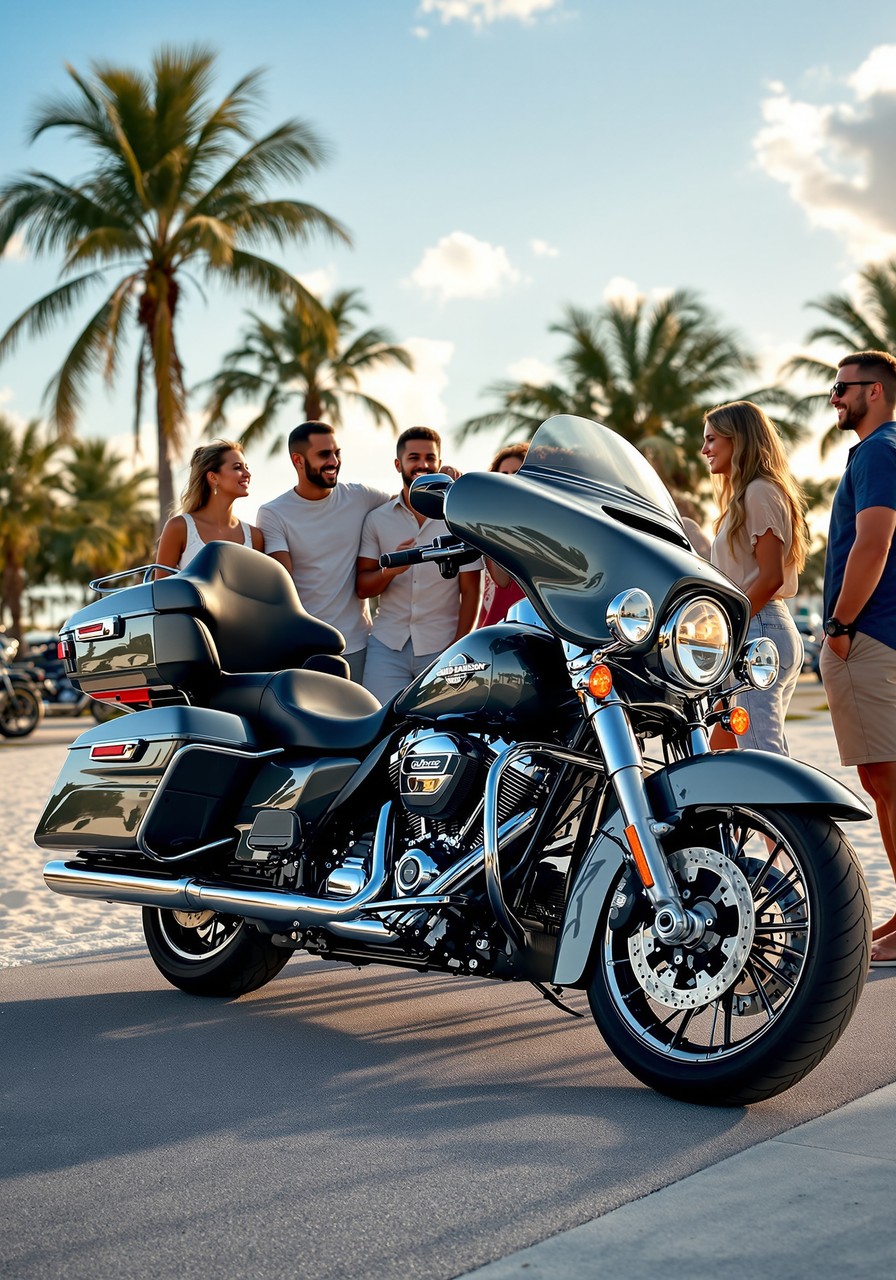
Imagine December 10 and your phone lights up: you just won $20,000 toward a new ride. It could happen. Link in comments. #RideNationFL #WinABike #MotorcycleGiveaway
Local FL & Rides
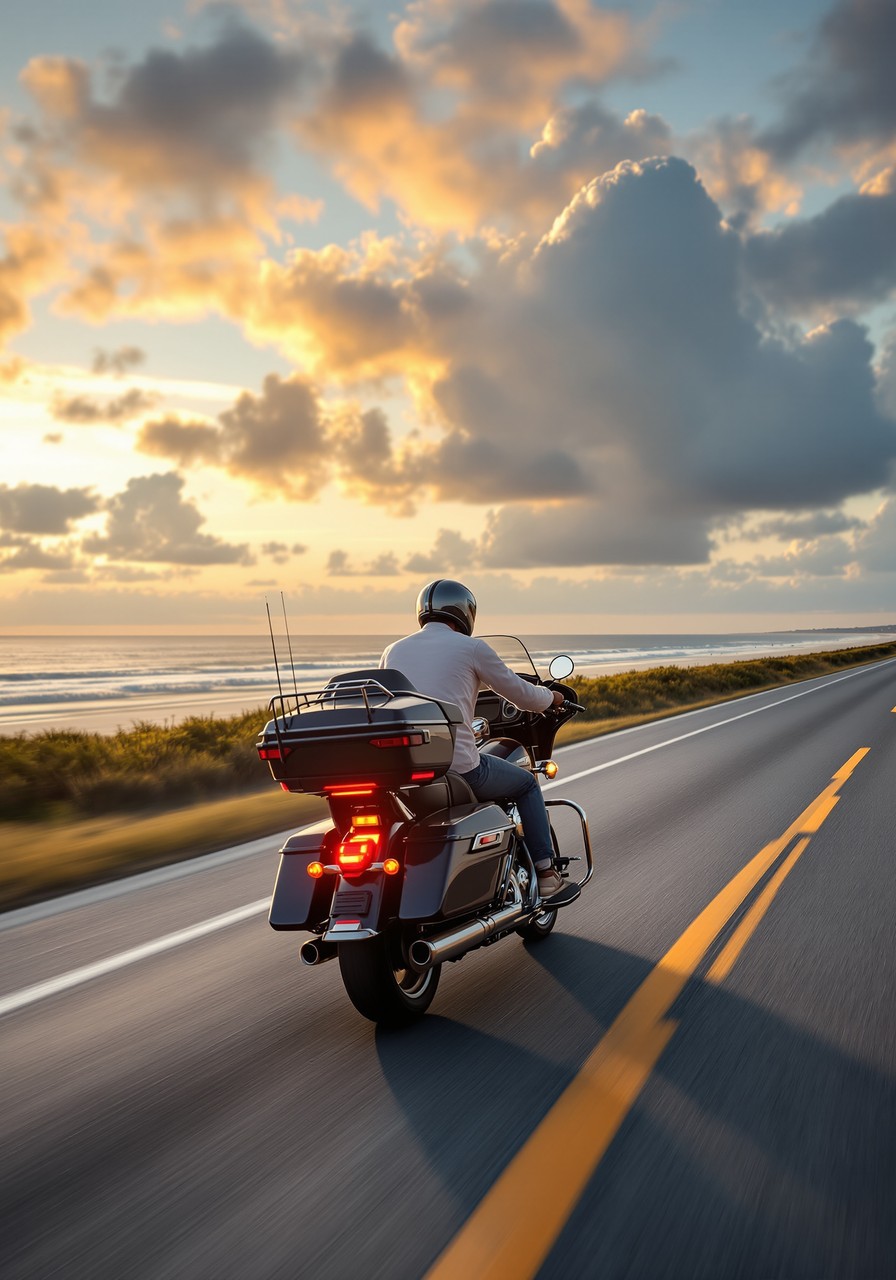
Sand on coastal curves is the quiet one. Out near Anna Maria and the beaches it drifts onto the road, so read the corner before you lean. #RideNationFL #GulfCoast #FloridaRiders
Gear & New Iron
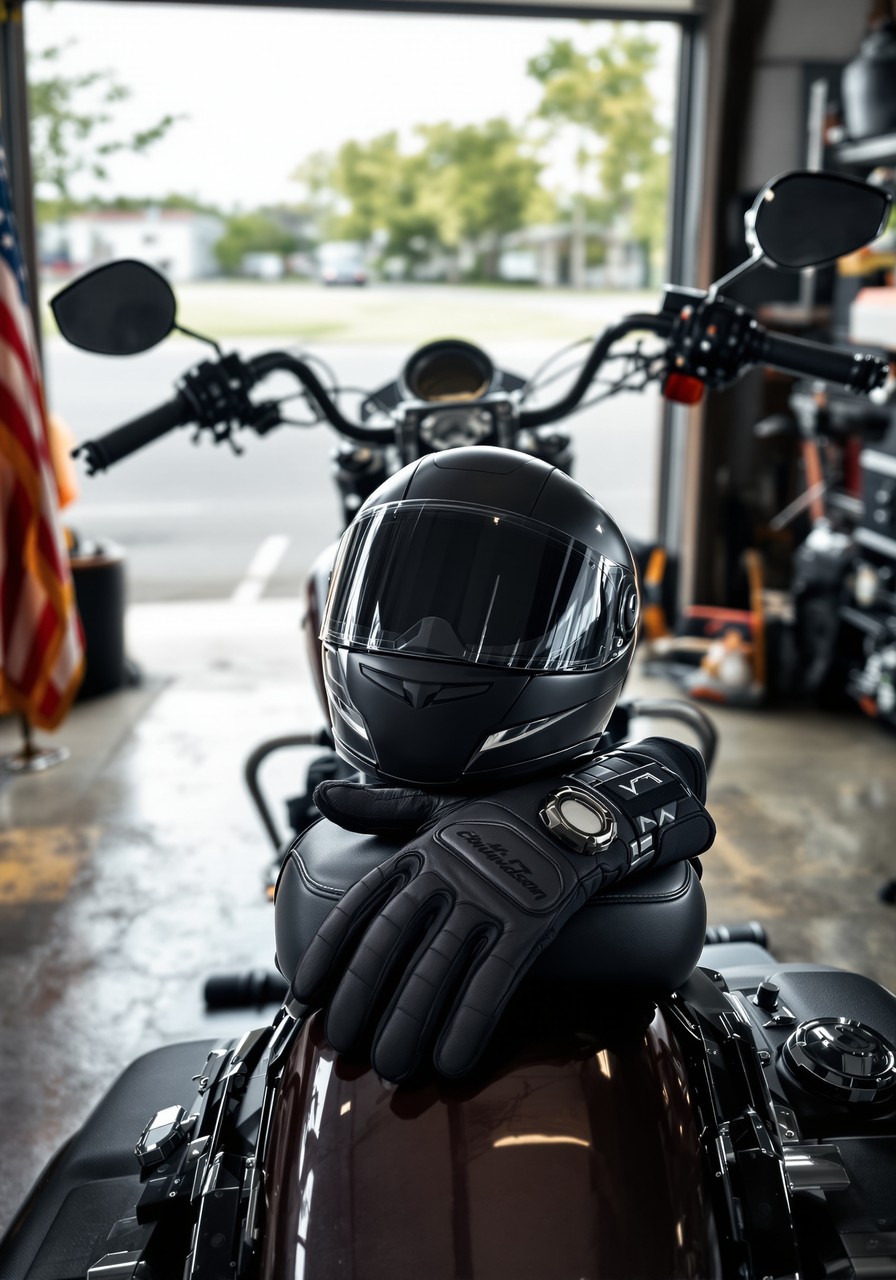
Underinflated tires build heat fast on hot pavement and heat is what blows them out. Check pressure weekly in the summer. #RideNationFL #MotorcycleMaintenance #FloridaHeat
Safety & FL Law
Rental and out-of-state drivers do not know Tampa Bay like you do. Expect the unexpected and keep a cushion. Stay sharp out there. Need help after a crash? Whittel & Melton, 352-666-6666. #RideNationFL #FloridaRiders #MotorcycleSafety
Engagement
Poll: sunrise rider, sunset rider, or midnight when it's empty rider? #RideNationFL #Florida #NatureCoast
Giveaway & Countdown
No catch, no cost, just a real shot at $20,000. Somebody wins December 10. Make it you, link in comments. #RideNationFL #20kGiveaway #FreeToEnter
Local FL & Rides
Deer and hogs come out at dusk on the Nature Coast. If you are on US-19 or the forest roads near Brooksville late, slow it down. #RideNationFL #NatureCoast #MotorcycleRoads
Gear & New Iron
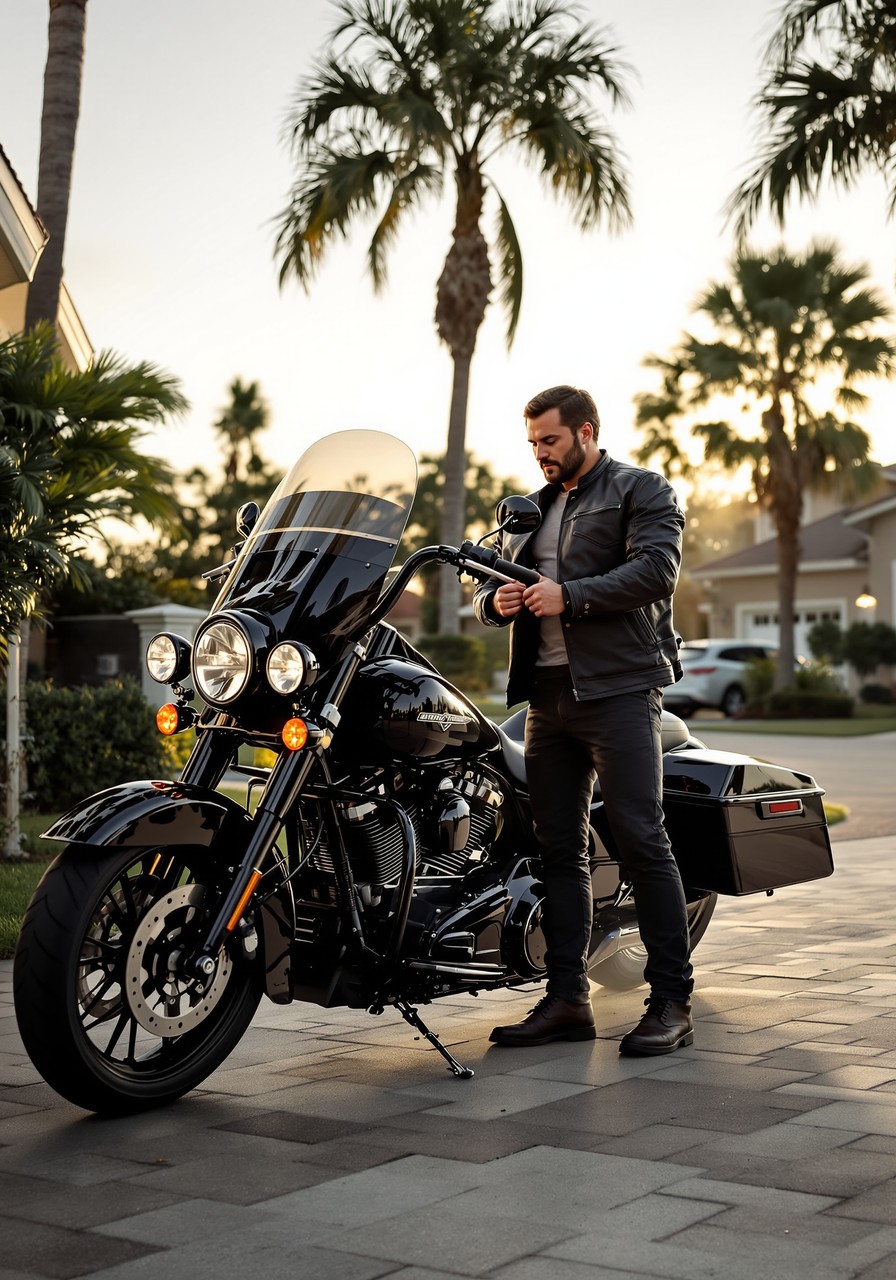
Florida summers cook a battery faster than the cold ever did up north. Test it before the busy riding season, not on the side of the road. #RideNationFL #MotorcycleMaintenance #RiderTips
Safety & FL Law
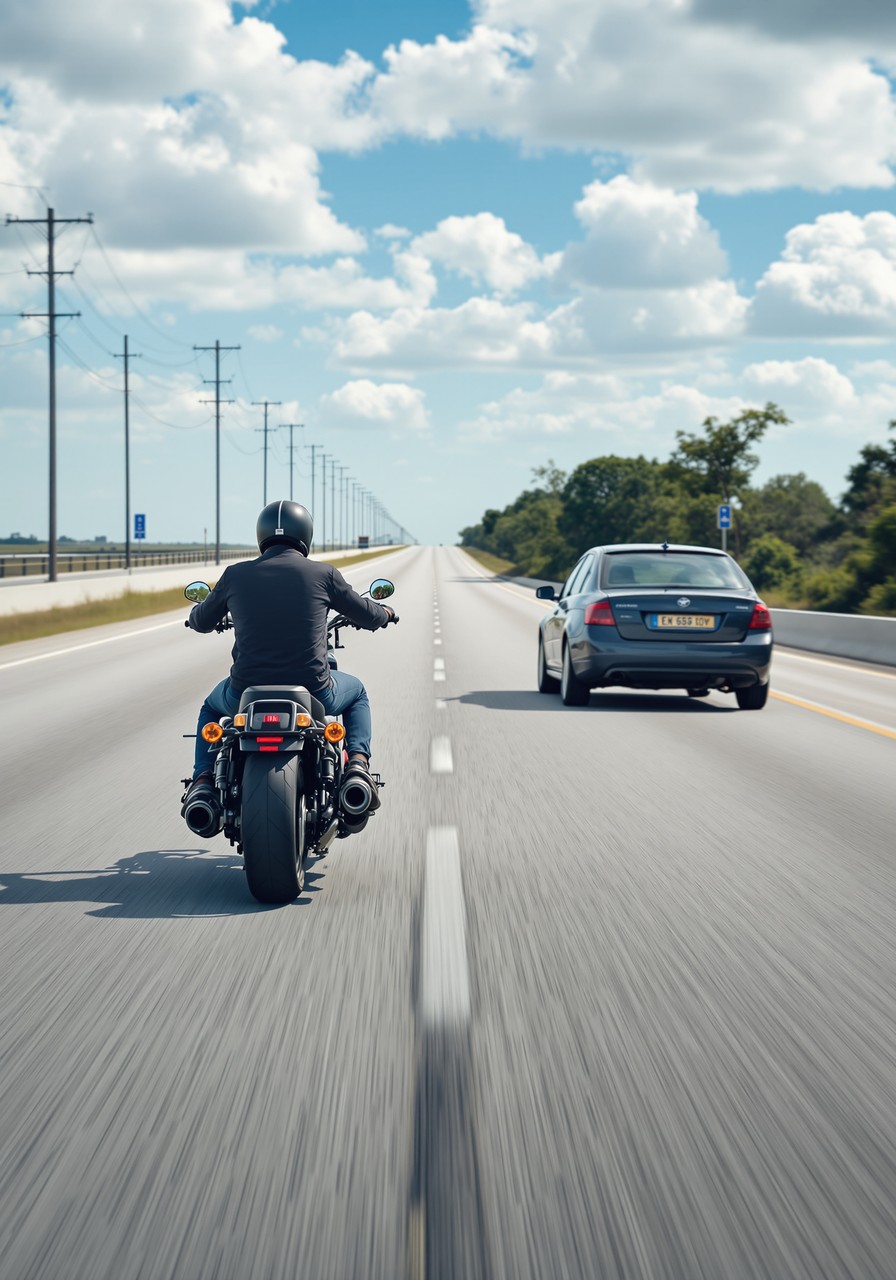
Florida sun glare is no joke, especially at sunrise and sunset. Drivers squint and miss you completely. Add reflective gear and a bright lane position. Hurt in a crash? Jason Melton, 352-666-6666. #RideNationFL #RiderSafety #ATGATT
Engagement
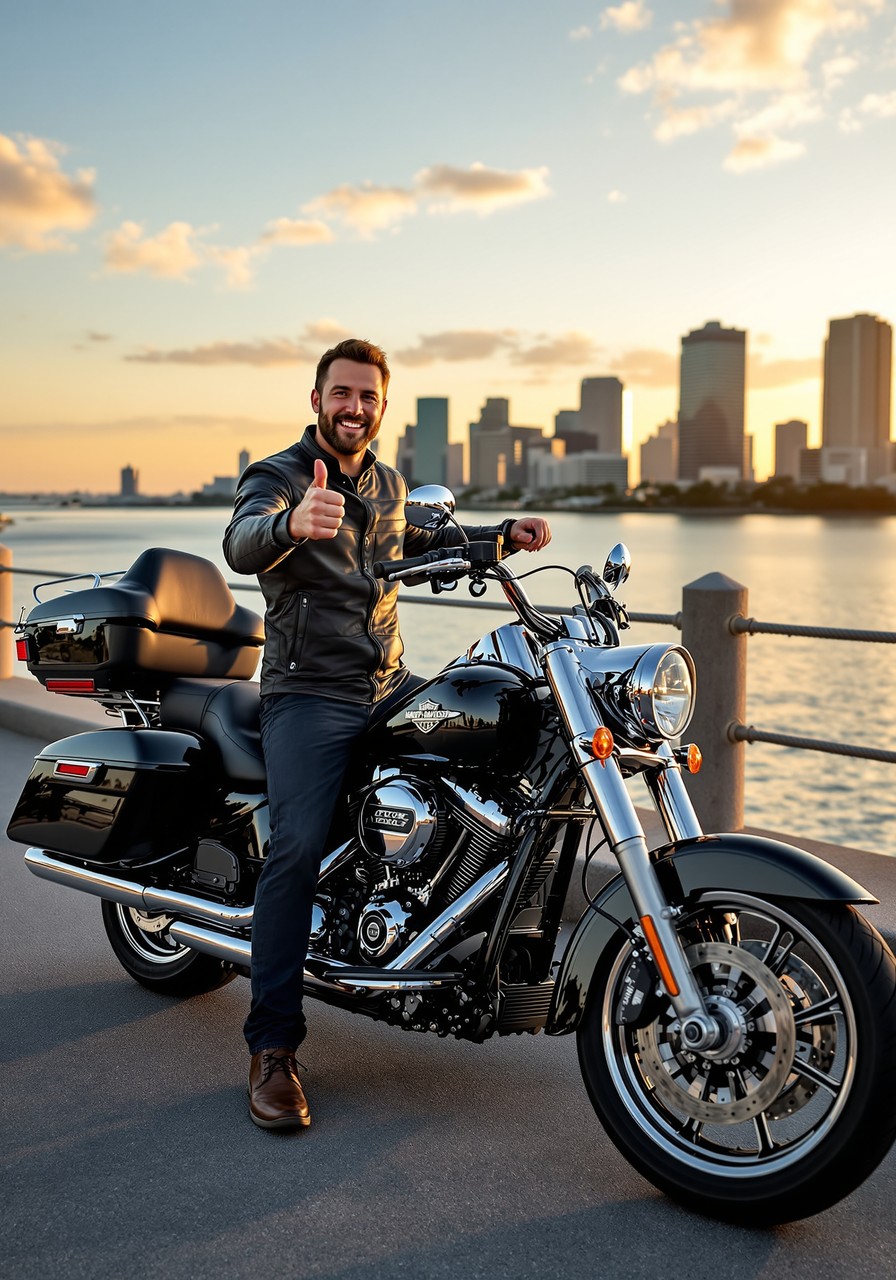
Name a song that has to be in your helmet on a long Gulf Coast stretch. #RideNationFL #GulfCoast #RideOrDie
Giveaway & Countdown
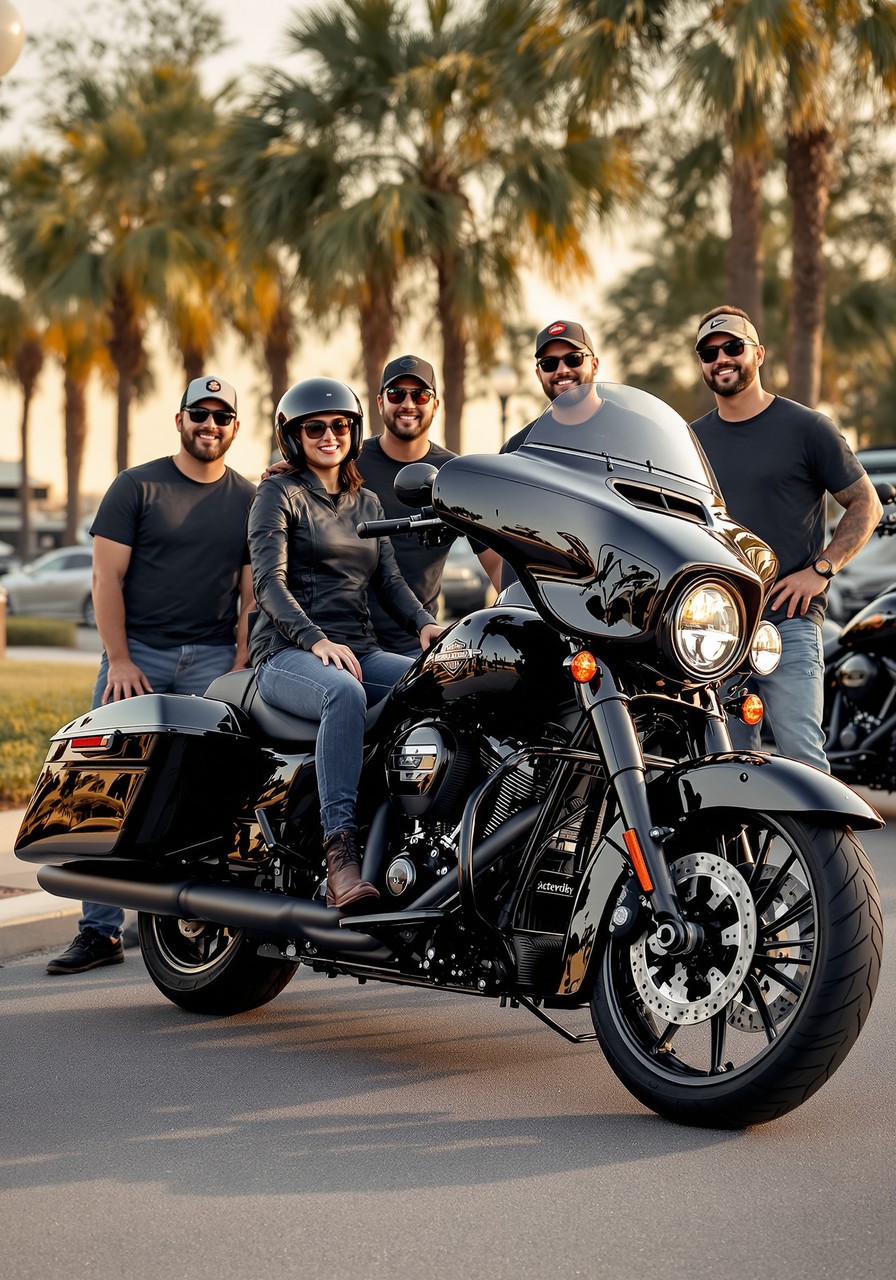
Tag the rider who always talks about their next bike. This is their $20,000 shot, free to enter, link in comments. Whittel & Melton, 352-666-6666. #RideNationFL #BikersWin #FloridaRiders
Local FL & Rides
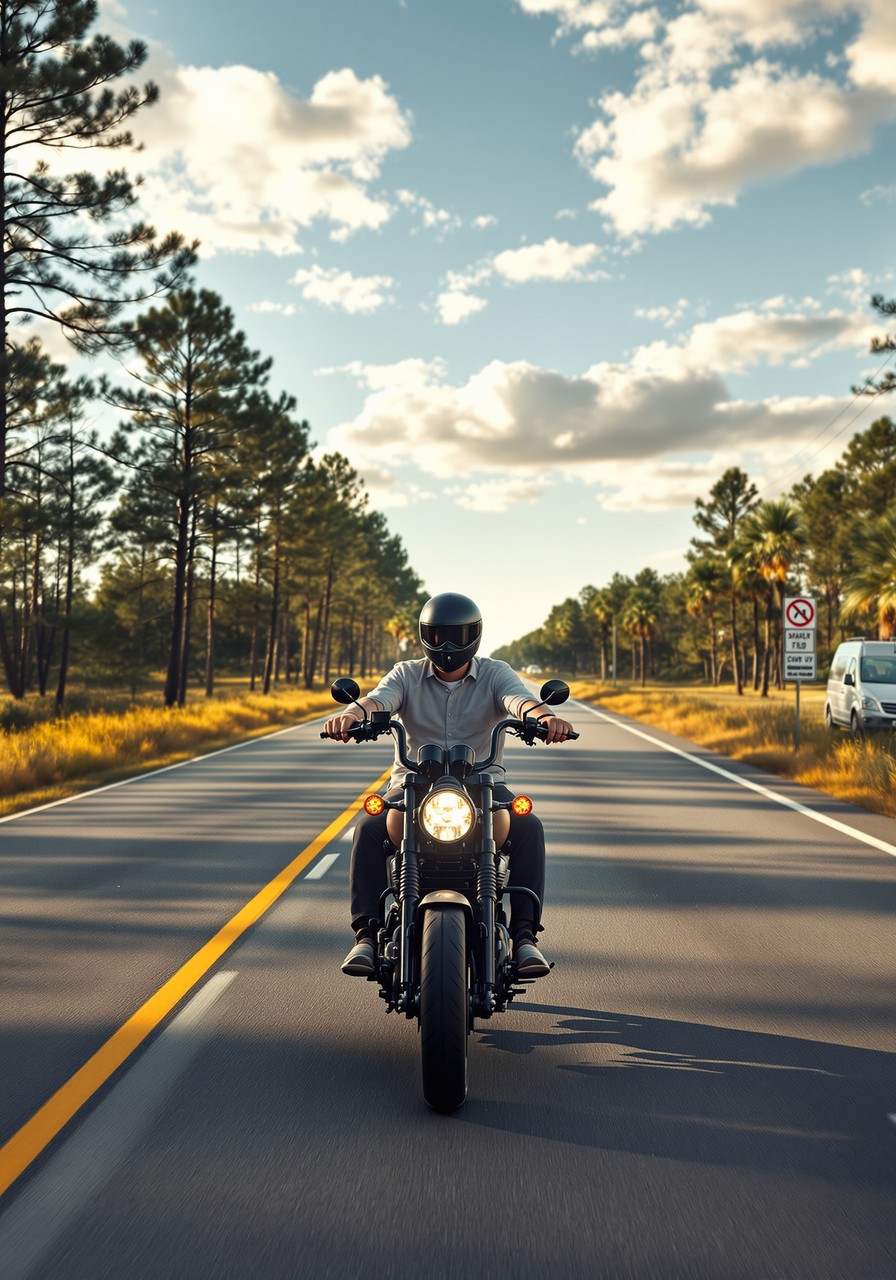
Sun glare is brutal on the east to west runs at dawn and dusk. The Courtney Campbell can blind you both ways, so keep that visor clean. #RideNationFL #TampaBay #GulfCoast
Gear & New Iron
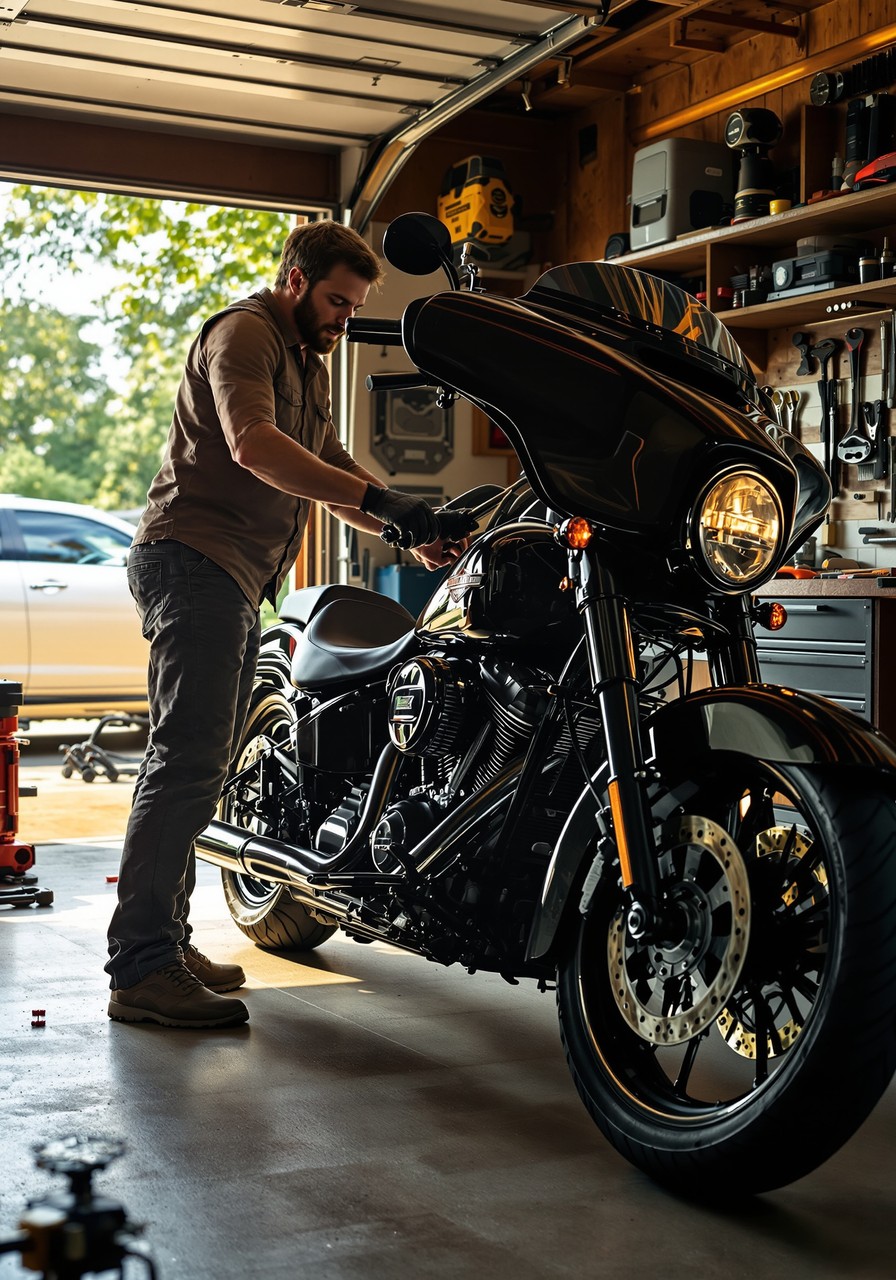
Humidity corrodes battery terminals quietly. Pop the cover, look for that white crust, and clean it before it leaves you stranded. #RideNationFL #MotorcycleMaintenance #FloridaRiders
Safety & FL Law
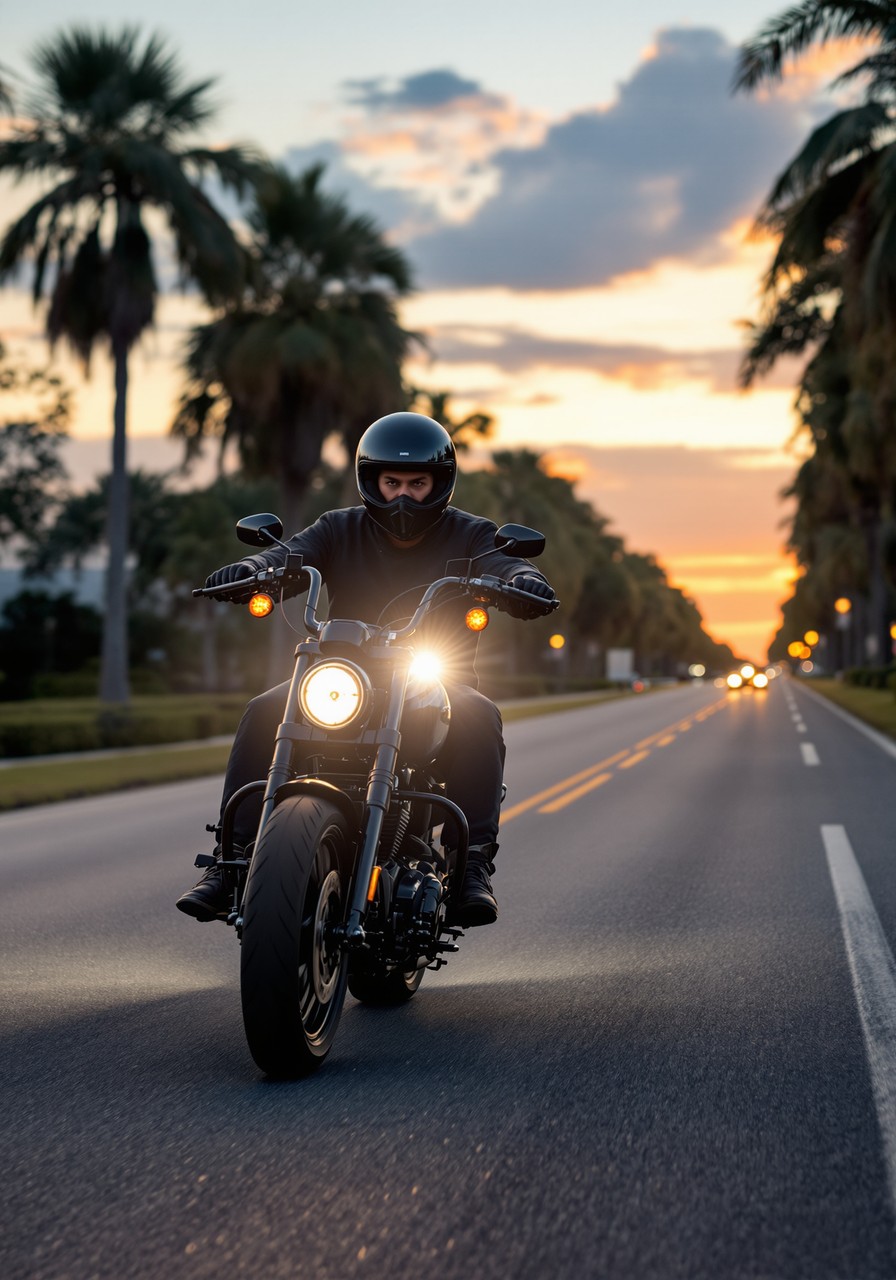
That low Florida sun blinds drivers twice a day. If they cannot see you, they cannot avoid you. Be loud with your visibility. Questions after a wreck? Whittel & Melton, no cost to talk, 352-666-6666. #RideNationFL #MotorcycleSafety #RiderSafety
Engagement
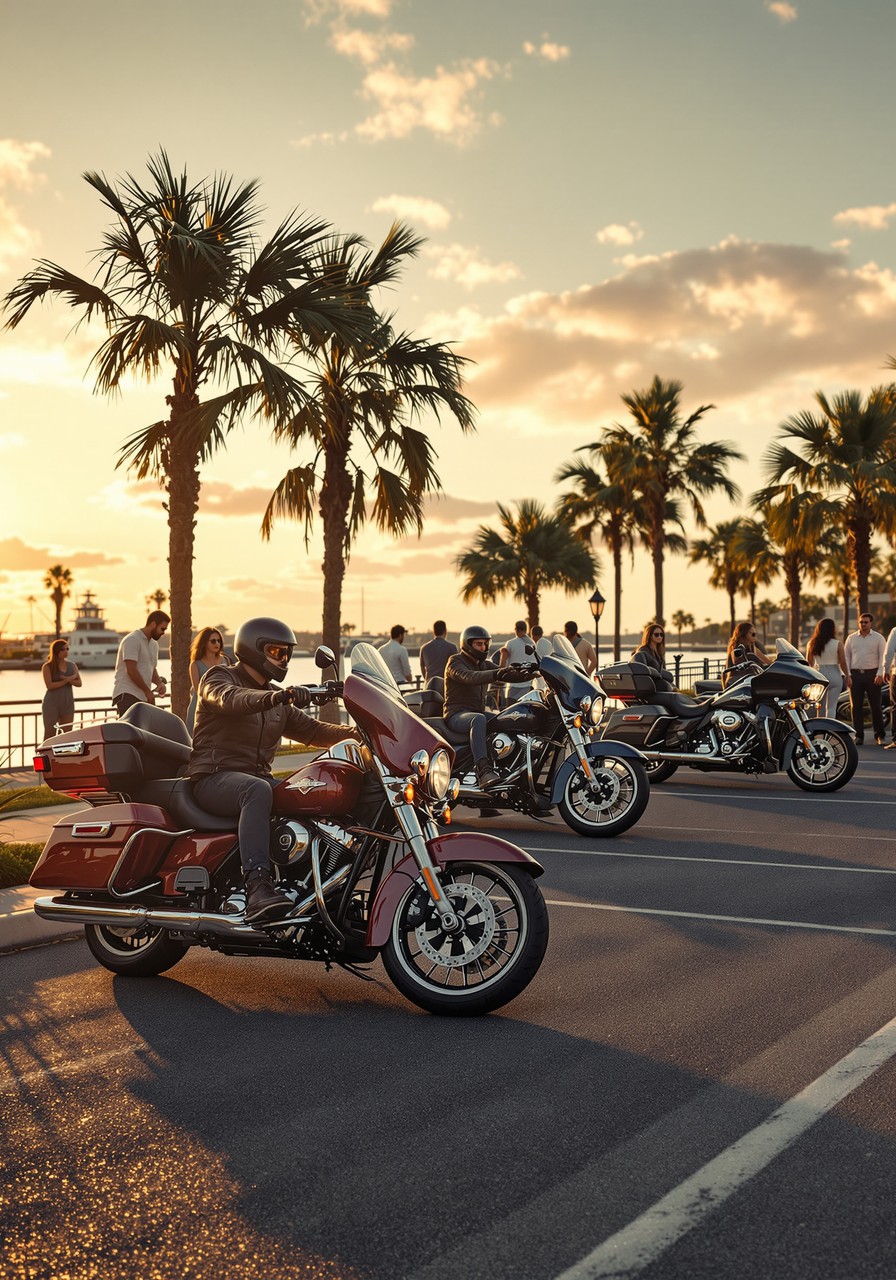
Fill in the blank: I never leave for a ride without ______. #RideNationFL #TwoWheels #FloridaRiders
Giveaway & Countdown
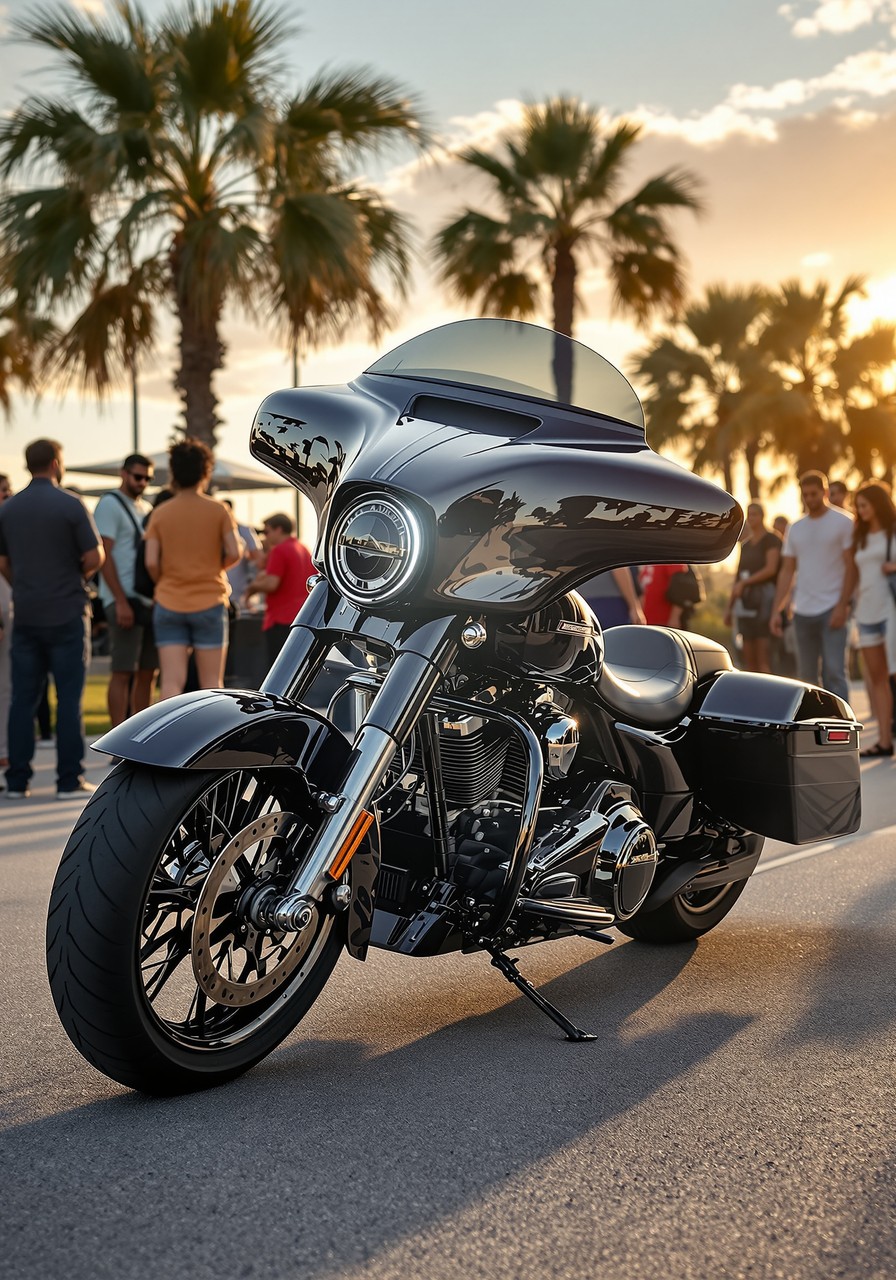
One week out. December 10 is almost here and $20,000 is waiting on one lucky rider. Get entered, link in comments. #RideNationFL #20kGiveaway #WinABike
Local FL & Rides
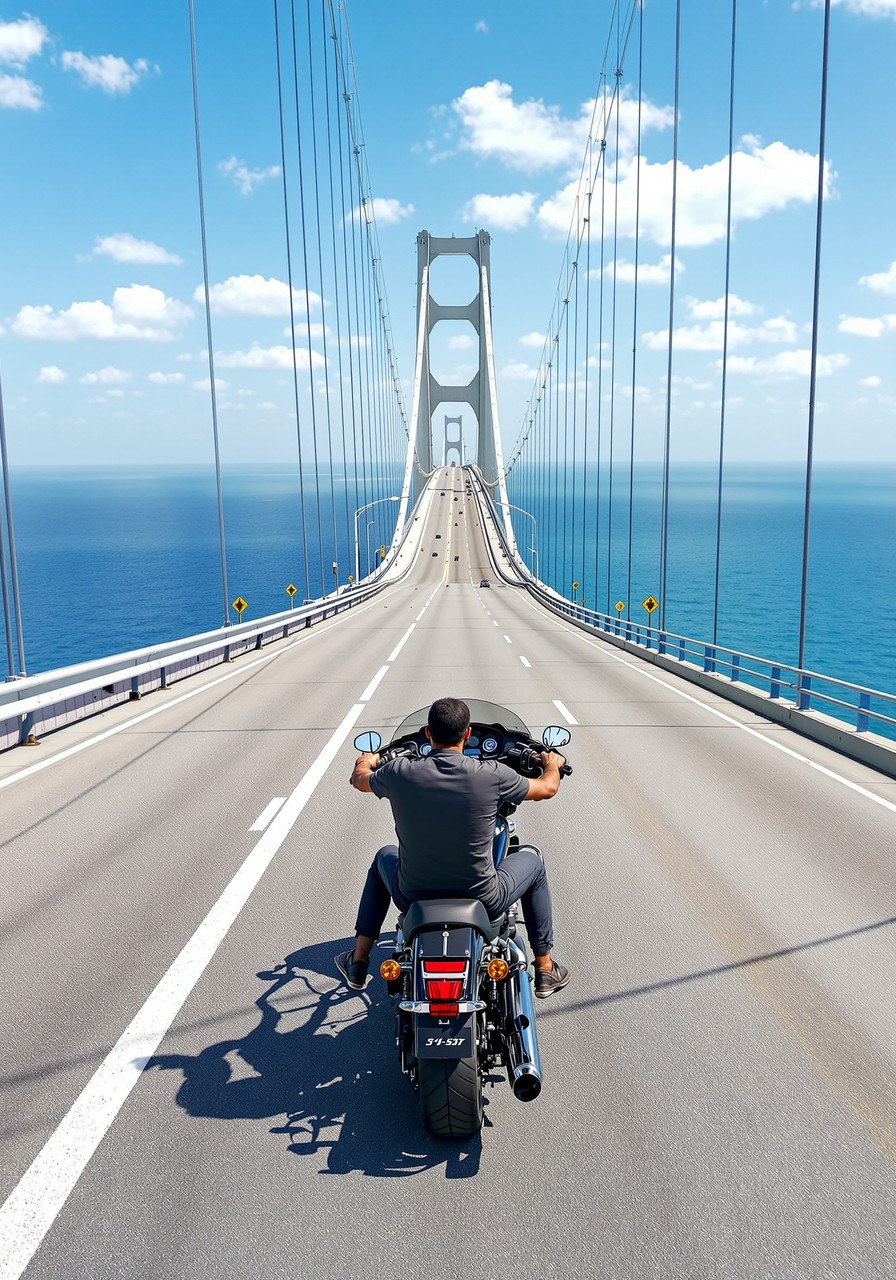
Rental cars and snowbirds mean drivers who do not know the roads. Ride like the car next to you is about to miss the exit, because it might. #RideNationFL #FloridaRiders #TampaBay
Gear & New Iron
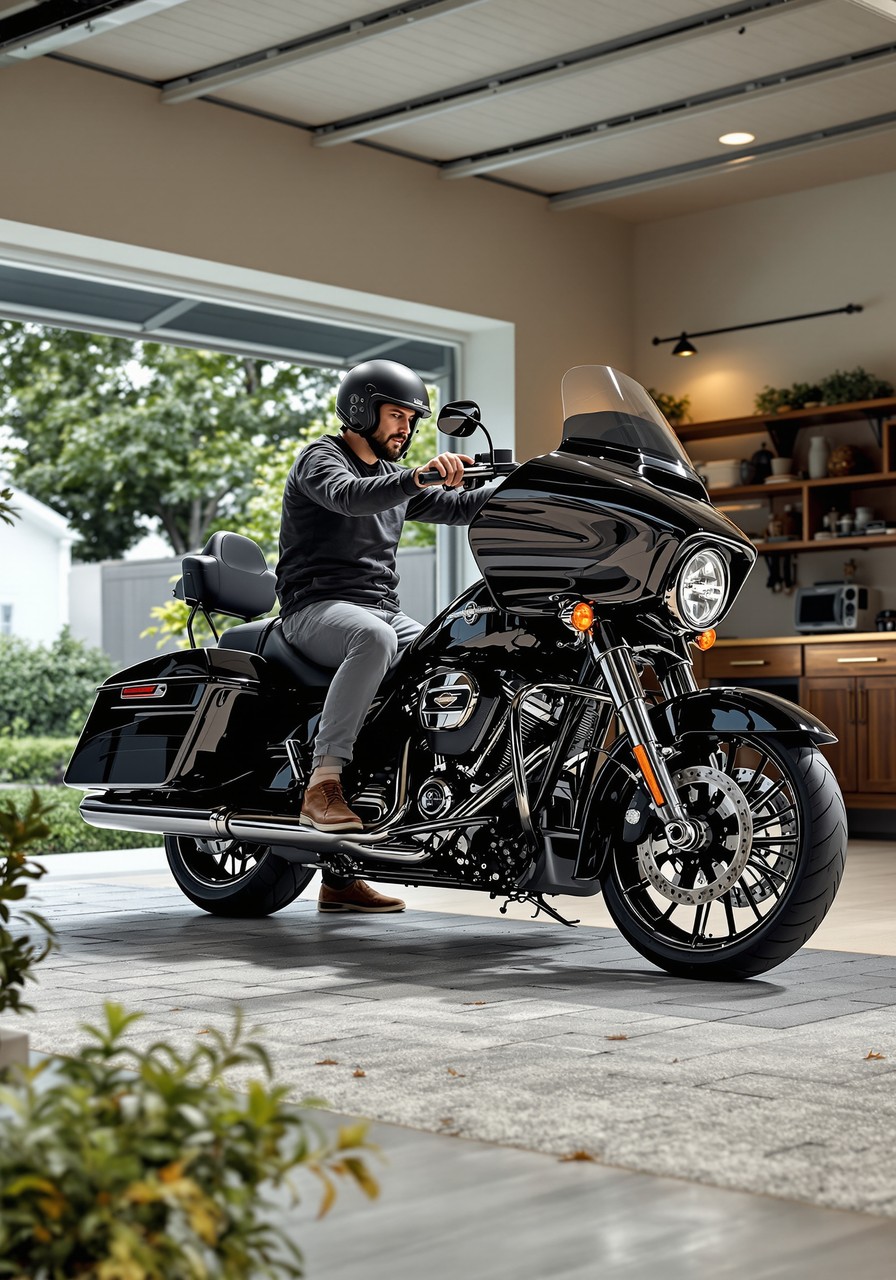
A tender keeps your battery healthy through those weeks the rain keeps the bike parked. Cheaper than a new battery every season. #RideNationFL #MotorcycleMaintenance #RiderTips
Safety & FL Law
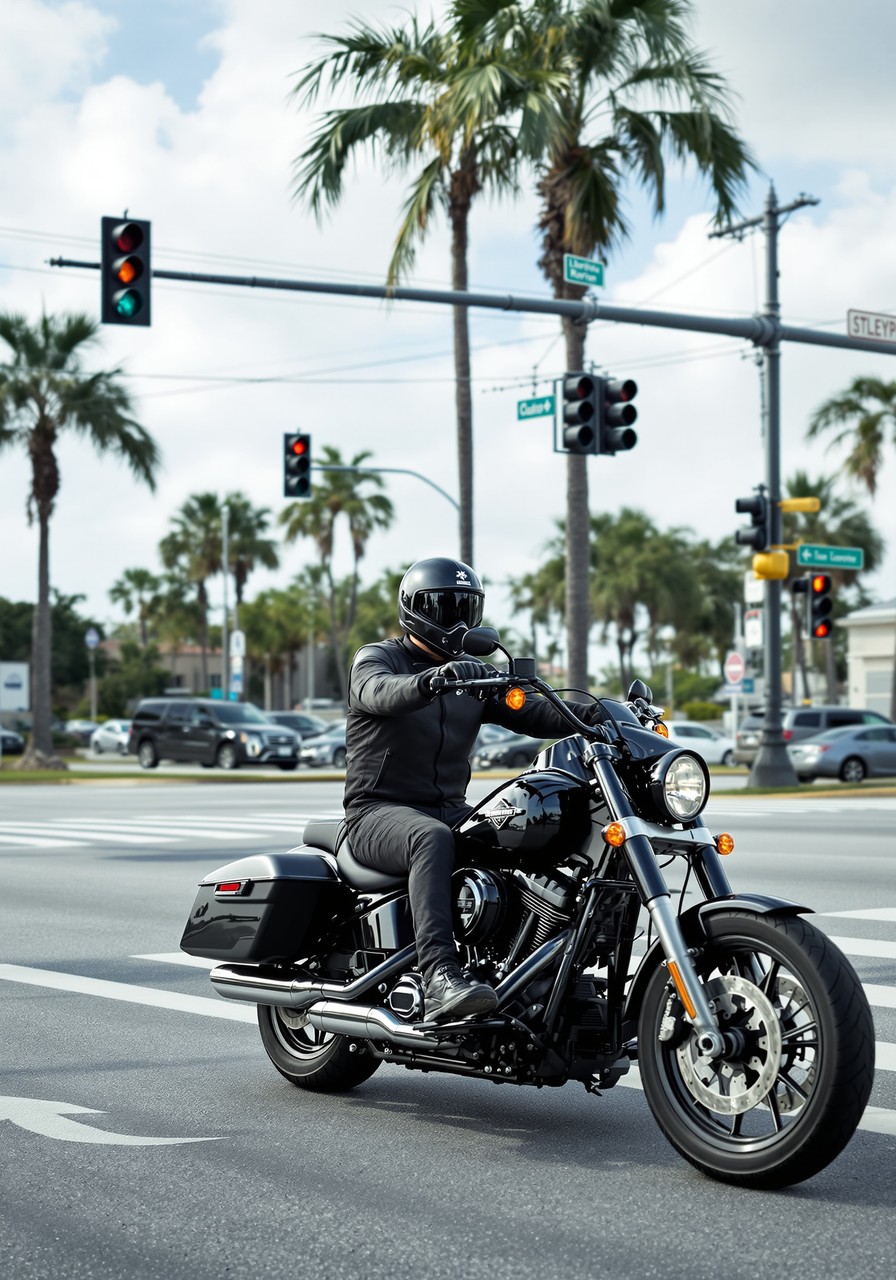
Afternoon rain turns Florida roads slick fast, and that first ten minutes is the worst as oil lifts. Ease off and add following distance. Ride your own ride. Hurt out there? Call 352-666-6666. #RideNationFL #RiderSafety #MotorcycleSafety
Engagement
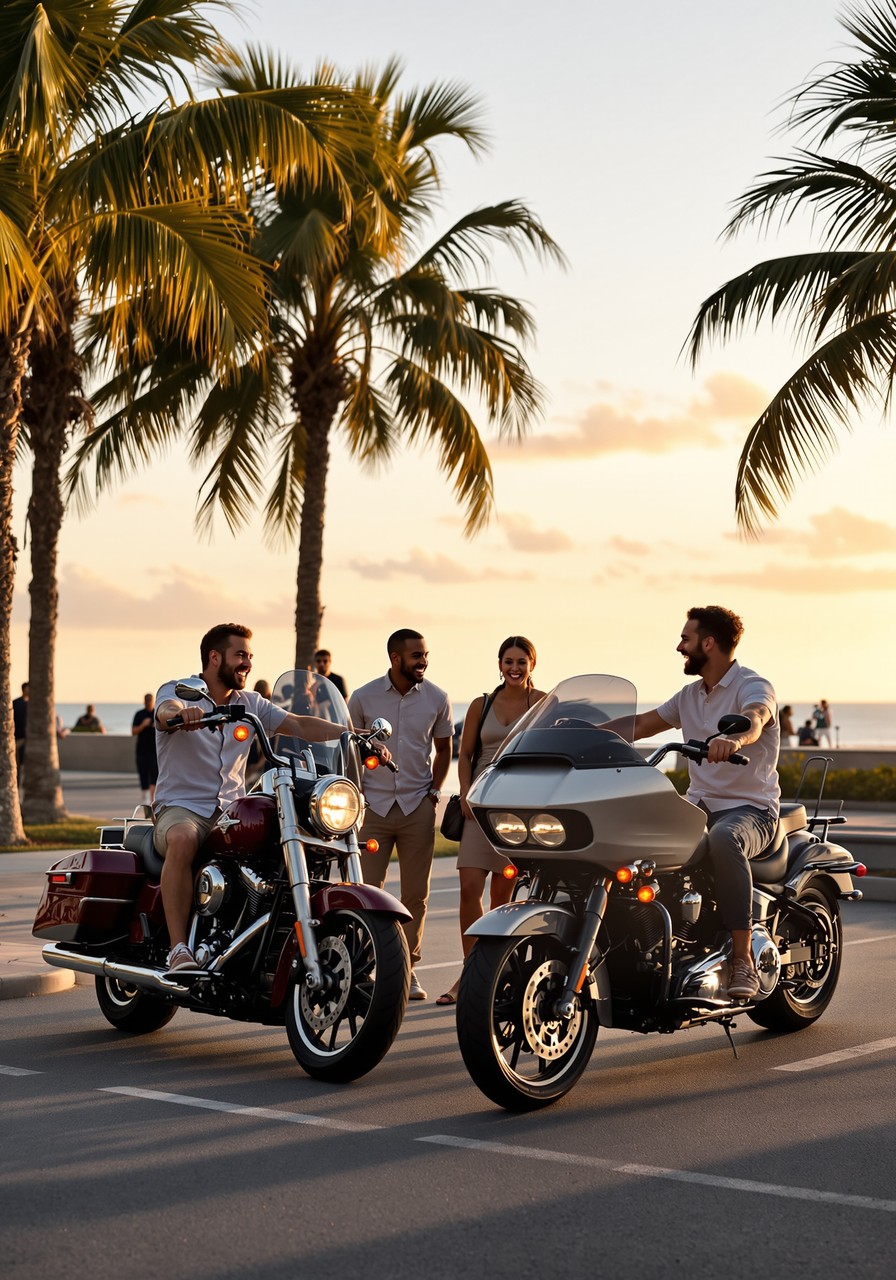
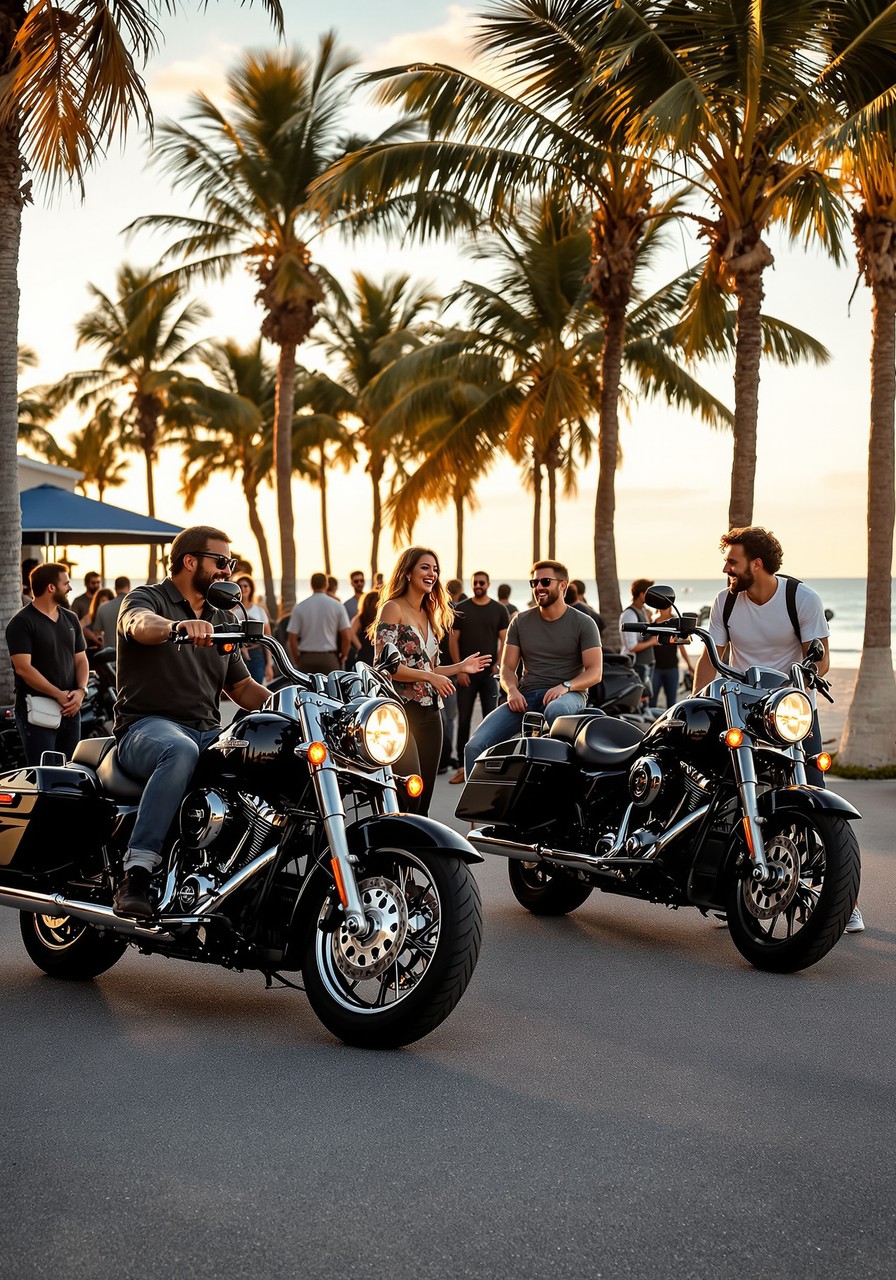
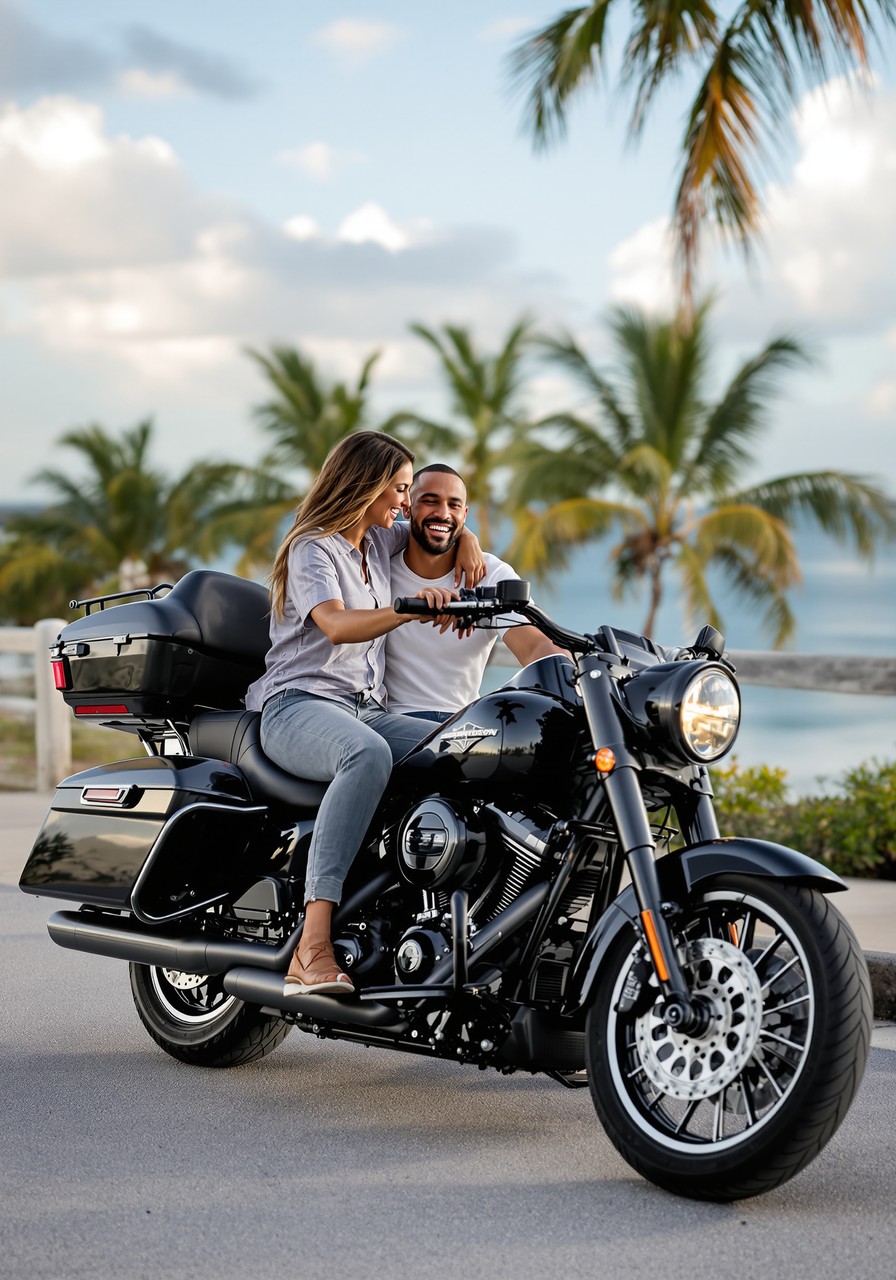
Caption this: the group pulls over, someone's already pointing at the next road. What's the line? #RideNationFL #TampaBay #BikerLife
Giveaway & Countdown
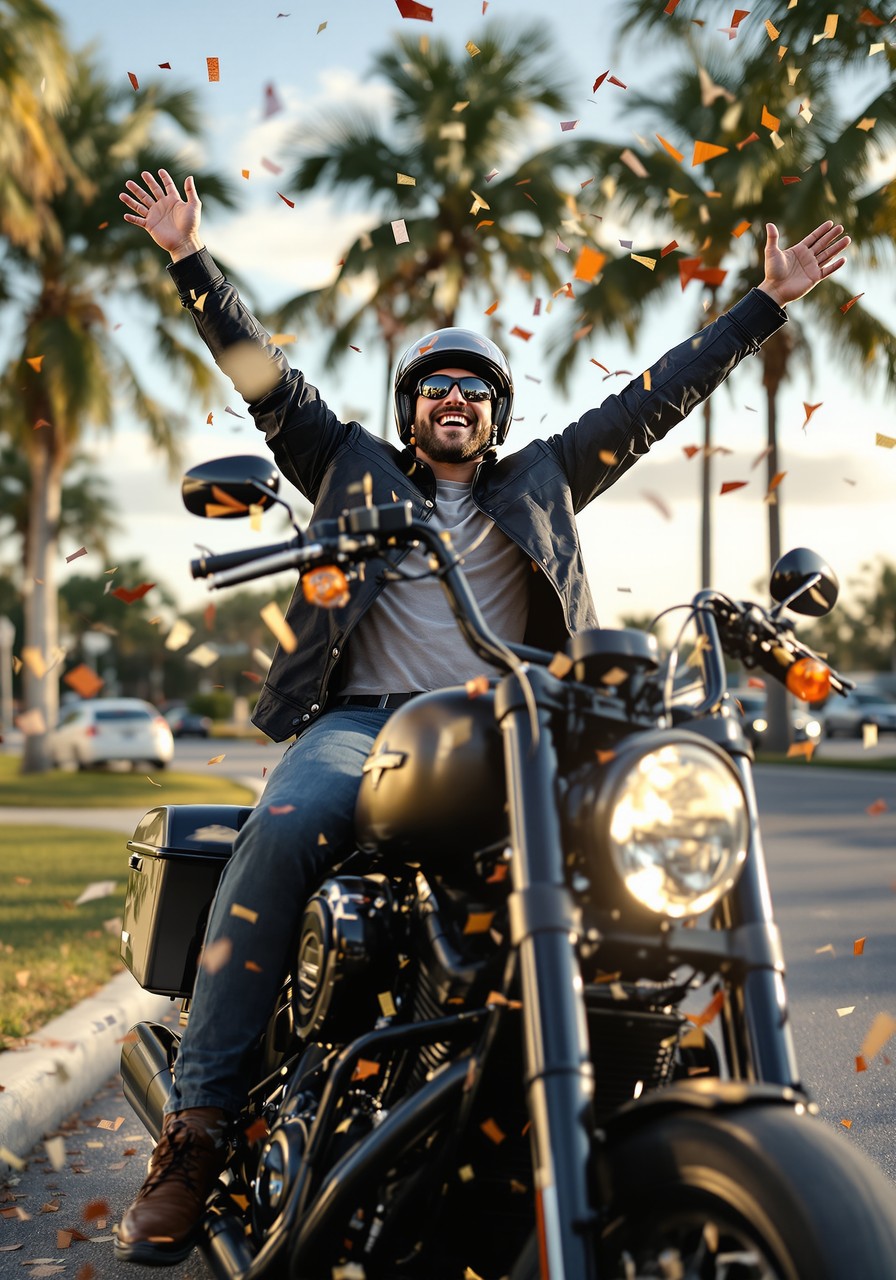
$20,000, any motorcycle, your choice. What is parking in your garage? Drop it below and enter, link in comments. Questions after a crash? Whittel & Melton, 352-666-6666. #RideNationFL #MotorcycleGiveaway #TampaBay
Local FL & Rides
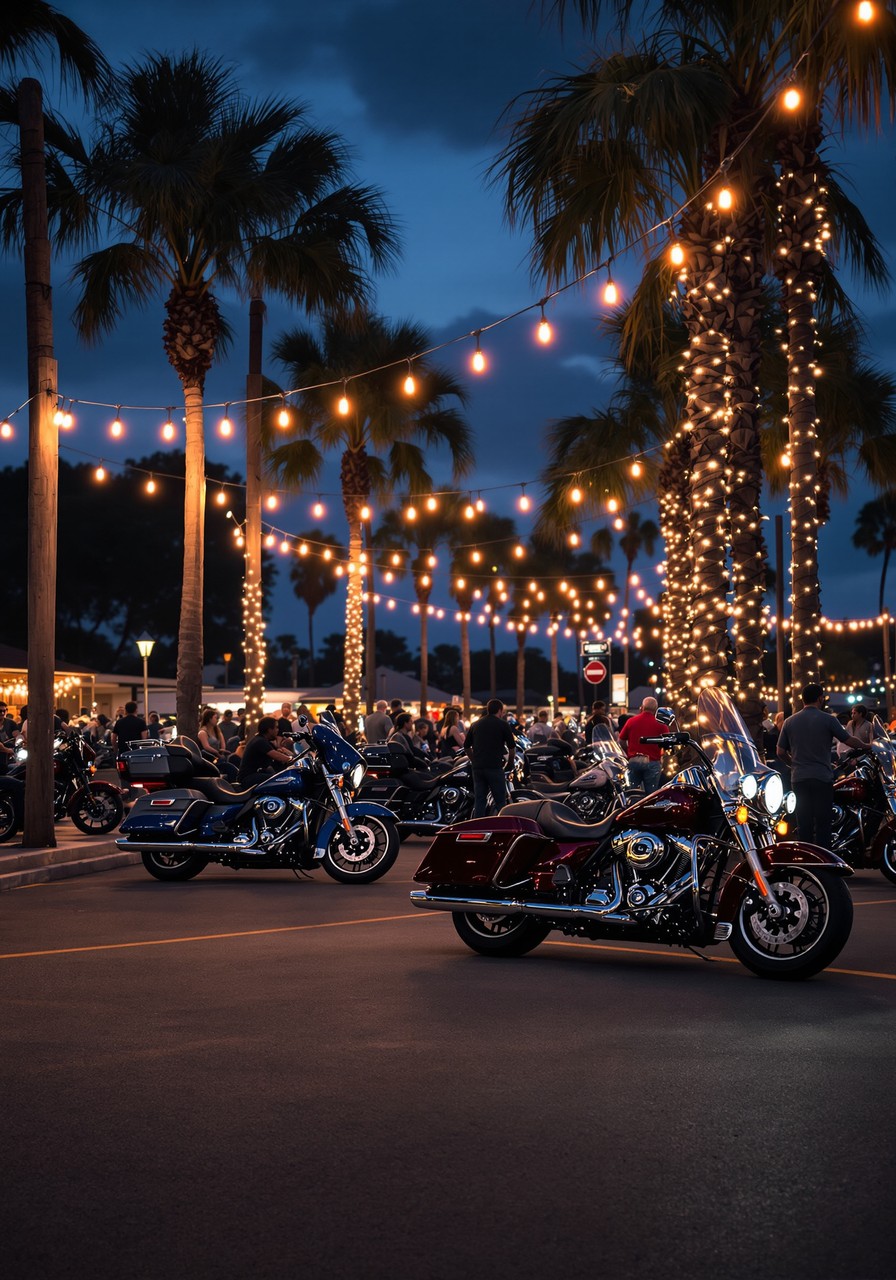
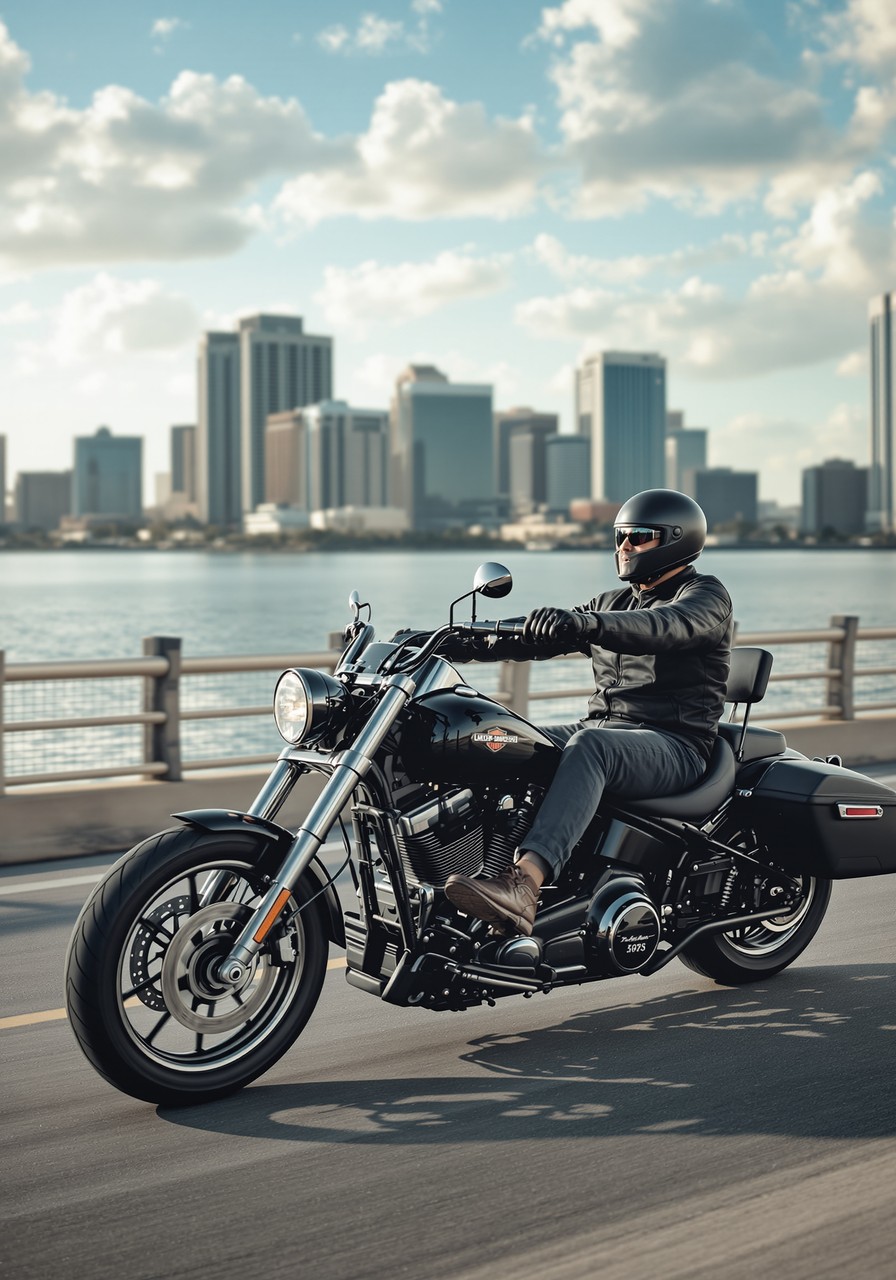
Bike night regulars, you know the drill. Roll in, park clean, and keep it friendly. Good turnout keeps these nights alive. #RideNationFL #TampaBay #FloridaRiders
Gear & New Iron
Brake fluid soaks up moisture, and Florida humidity speeds that up. Flush it every couple of years or your lever goes soft when you need it most. #RideNationFL #MotorcycleMaintenance #RiderTips
Safety & FL Law
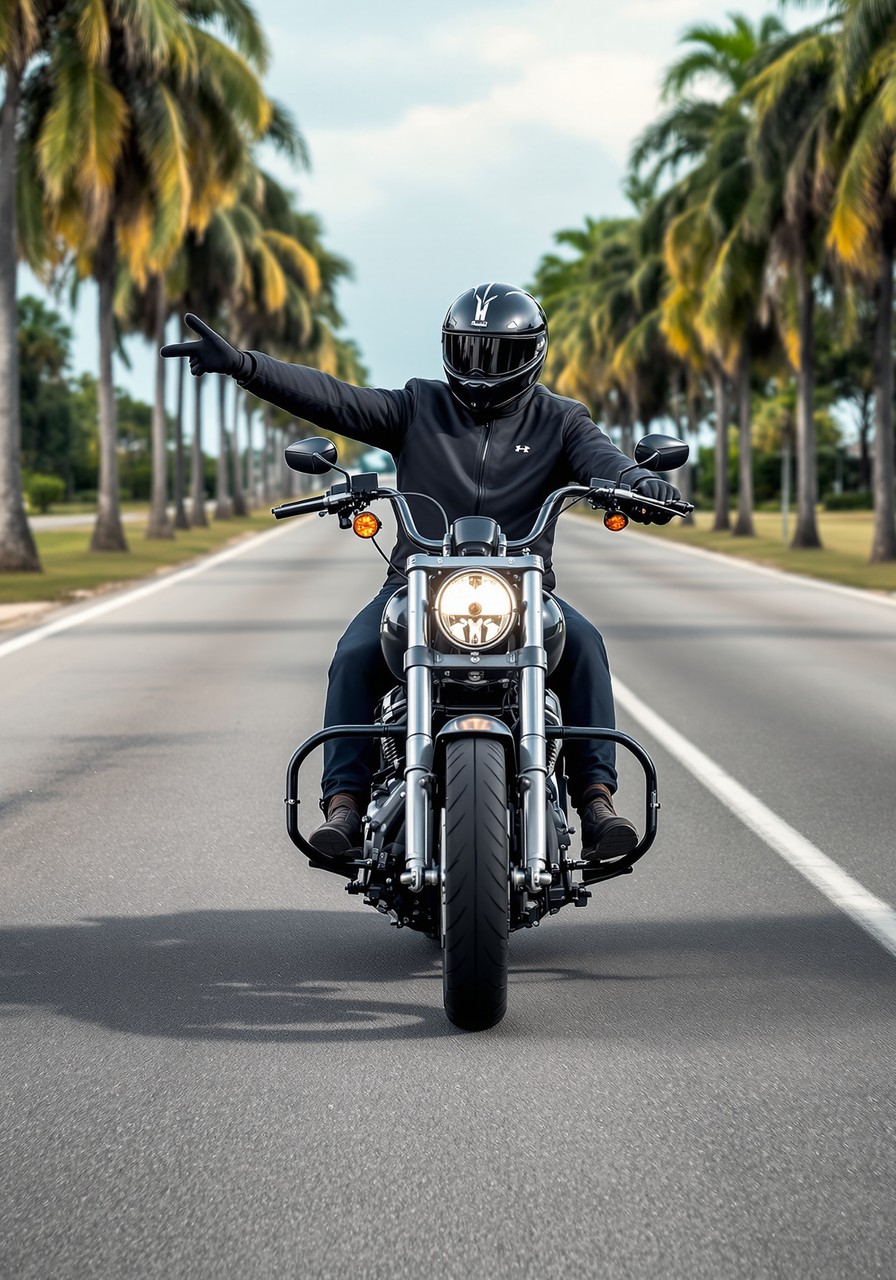
When those afternoon storms roll in, painted lines and metal plates get greasy quick. Slow your inputs and give yourself room. Stay upright. If a driver takes you out, Jason Melton is here, 352-666-6666. #RideNationFL #FloridaRiders #RiderSafety
Engagement
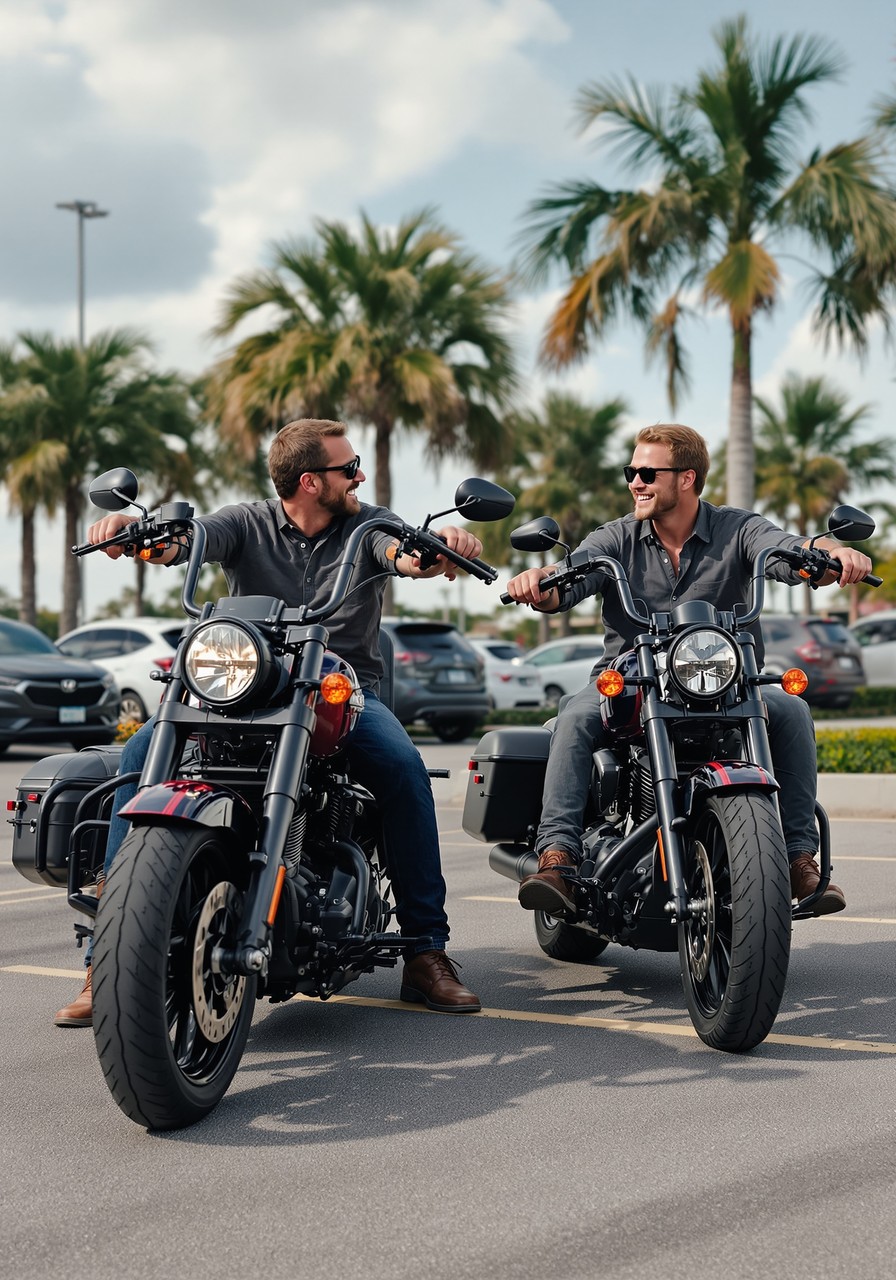
This or that: solo ride to think, or group ride to laugh? #RideNationFL #RideOrDie #Florida
Giveaway & Countdown
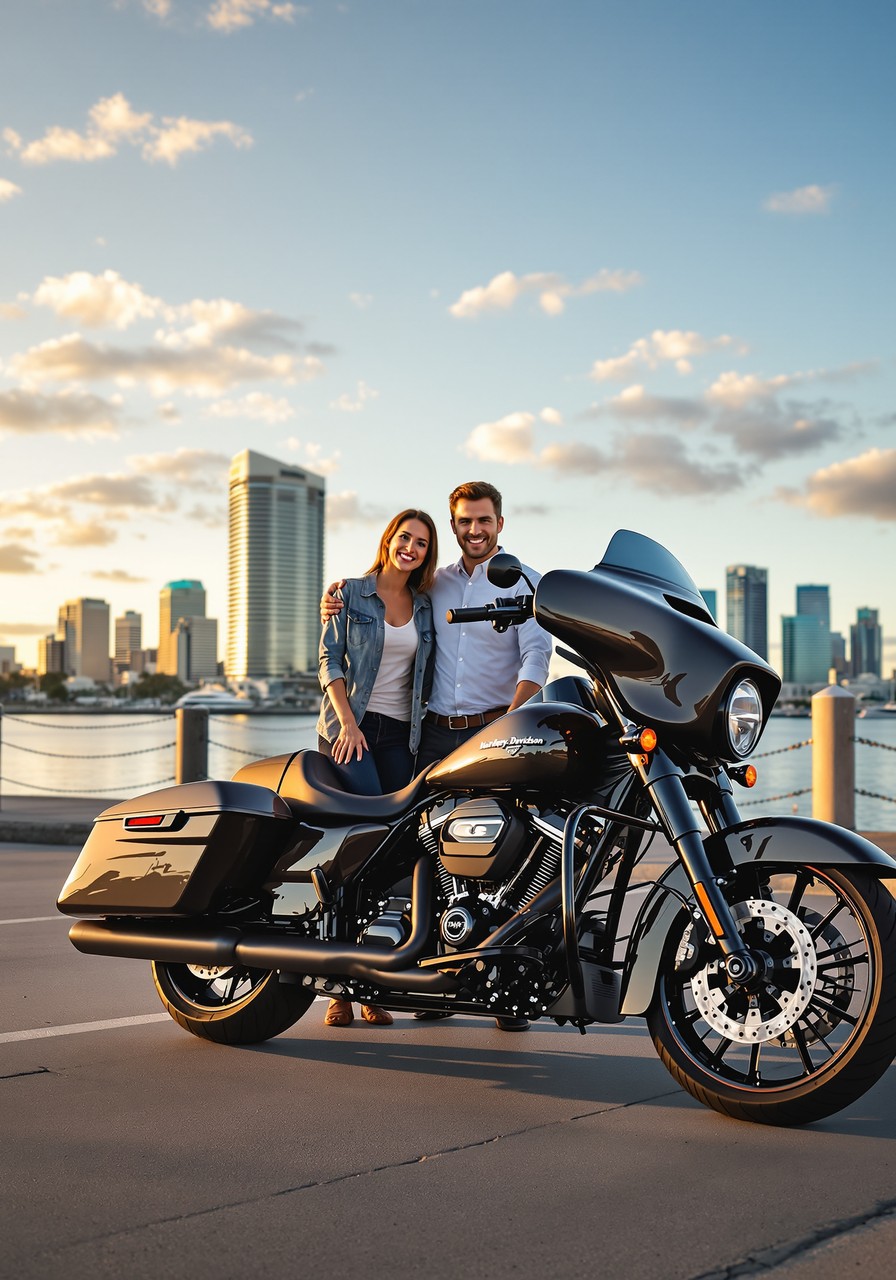
Last few days to enter the BikersWin $20,000 giveaway. Drawn December 10, free to enter. Do not miss it, link in comments. #RideNationFL #BikersWin #20kGiveaway
Local FL & Rides
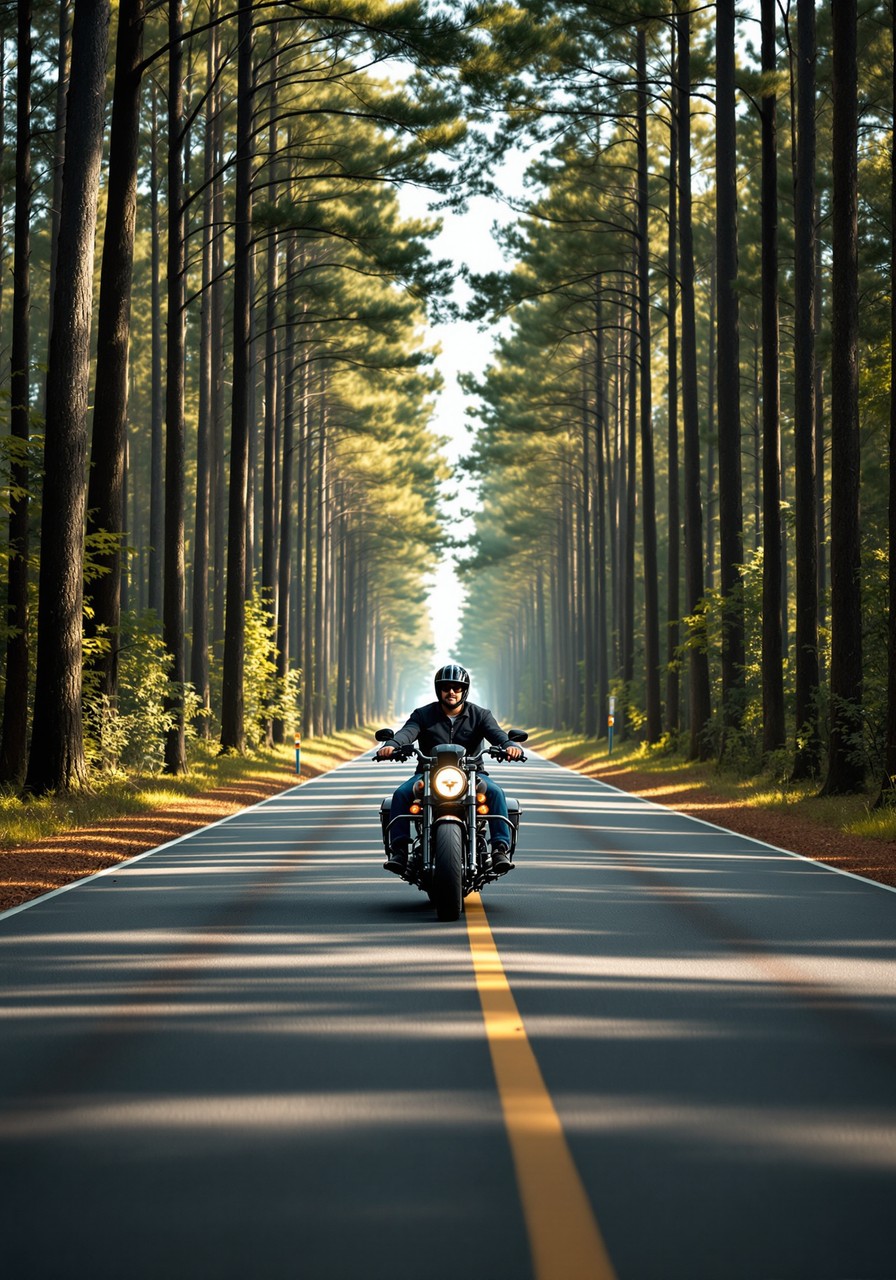
Nothing beats a Spring Hill morning ride out to the coast before the heat sets in. Coffee, then throttle. #RideNationFL #NatureCoast #GulfCoast
Gear & New Iron
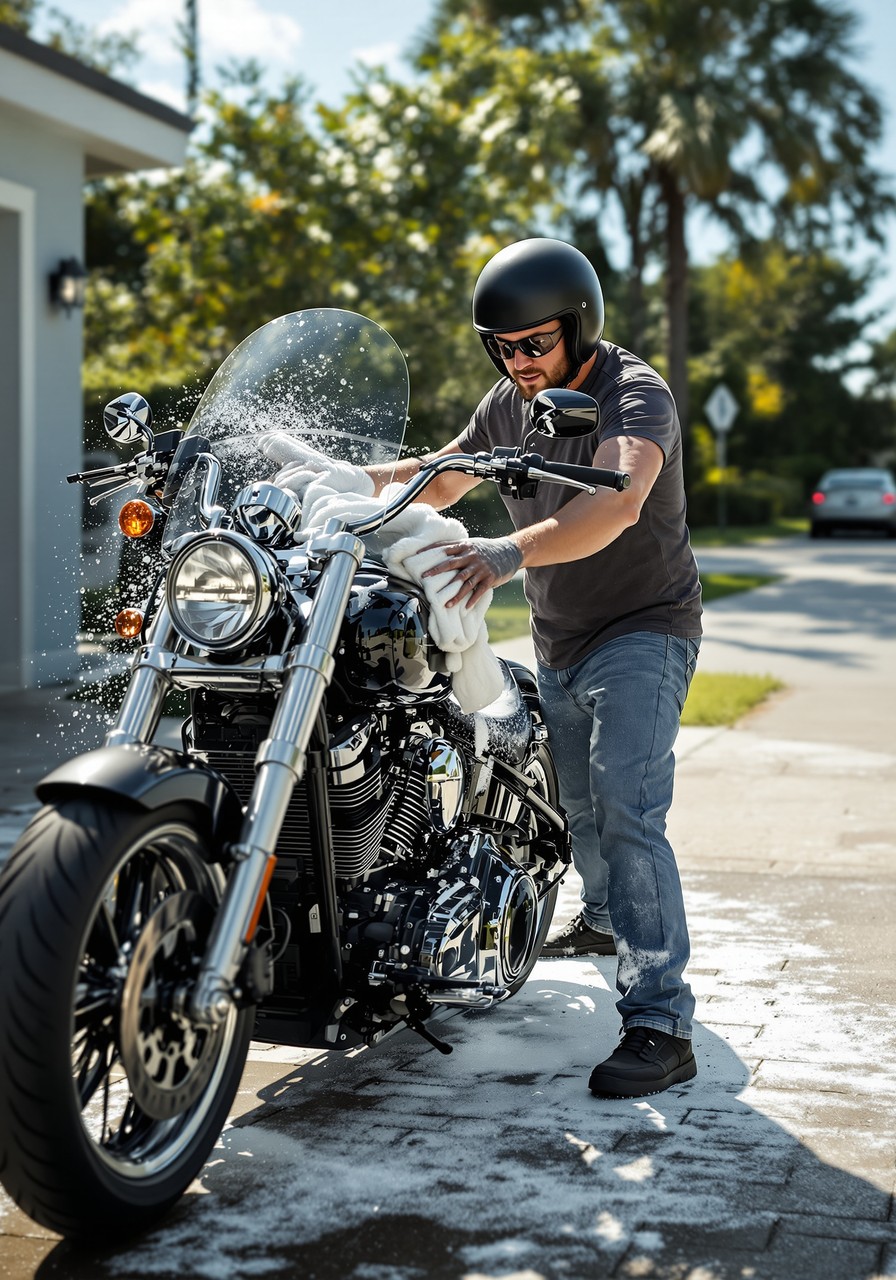
Spongy brake lever is not something you ride out. Bleed the system or get it checked before your next ride. #RideNationFL #MotorcycleMaintenance #RiderTips
Safety & FL Law
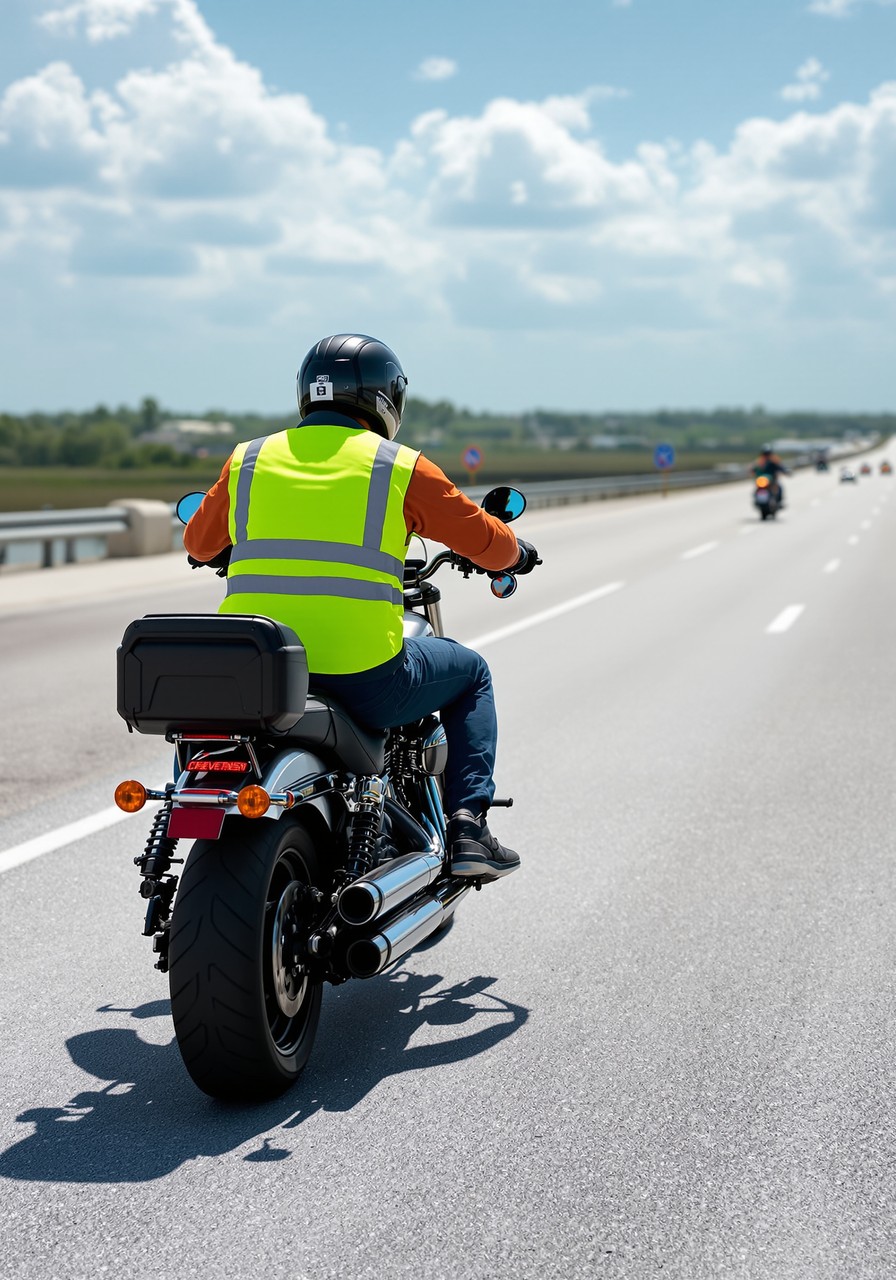
Visibility is free protection. Bright gear, a modulating headlight, and smart lane position help drivers see you before it is too late. ATGATT, every ride. Hurt anyway? Whittel & Melton, 352-666-6666. #RideNationFL #ATGATT #MotorcycleSafety
Engagement
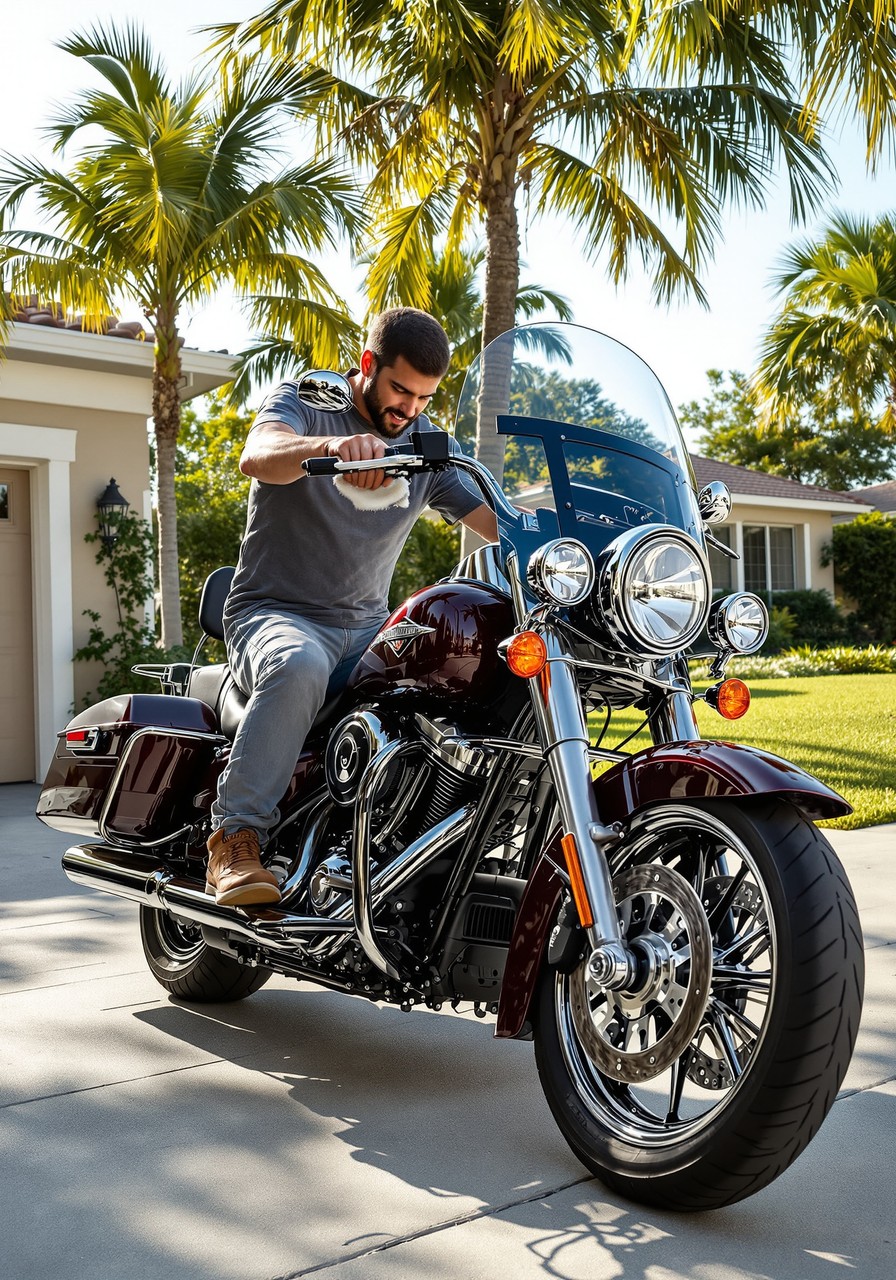
Tag someone who needs to finally get their motorcycle endorsement this winter. #RideNationFL #FloridaRiders #TwoWheels
Giveaway & Countdown
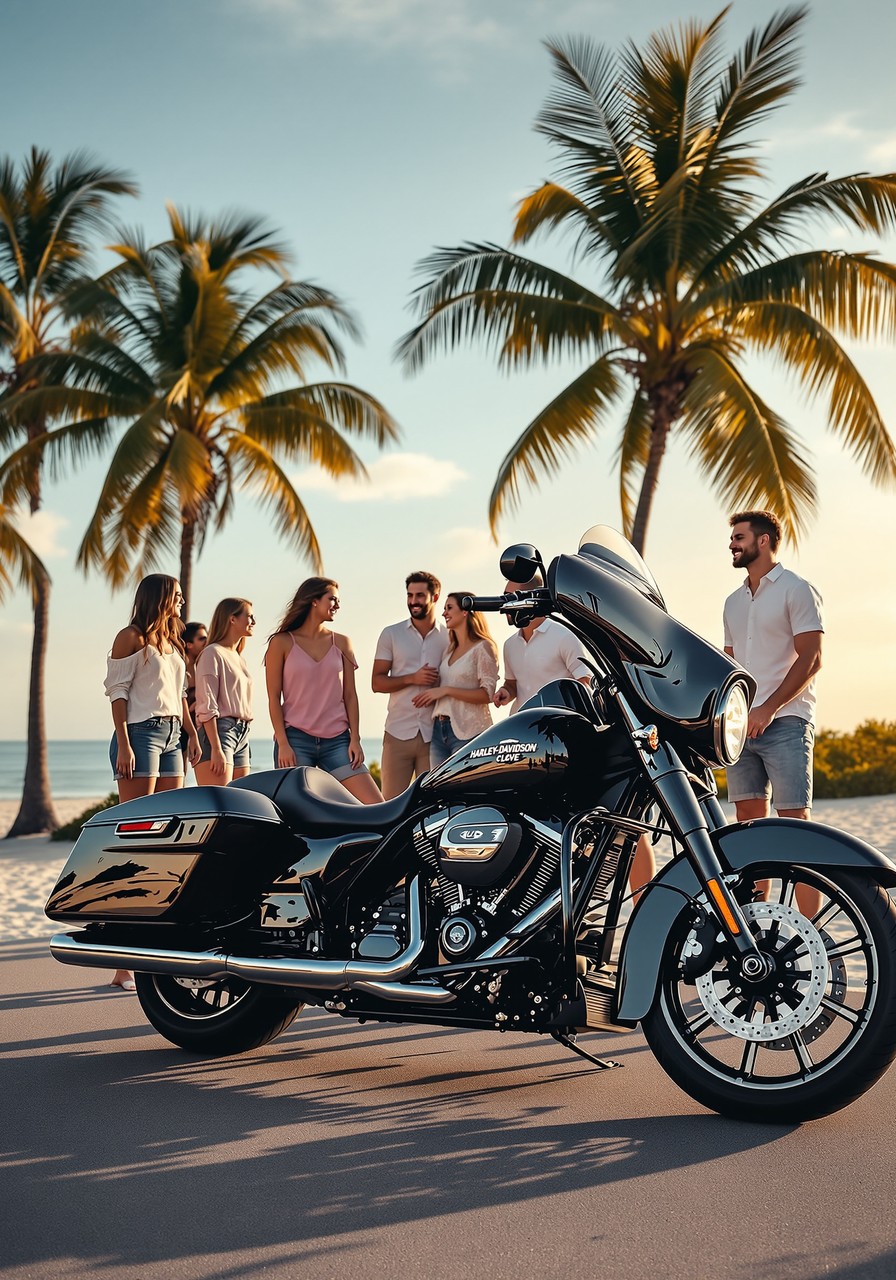
Final stretch before the December 10 draw. $20,000 to one rider, and you still have time to enter. Link in comments. Whittel & Melton, 352-666-6666. #RideNationFL #FreeToEnter #WinABike
Local FL & Rides
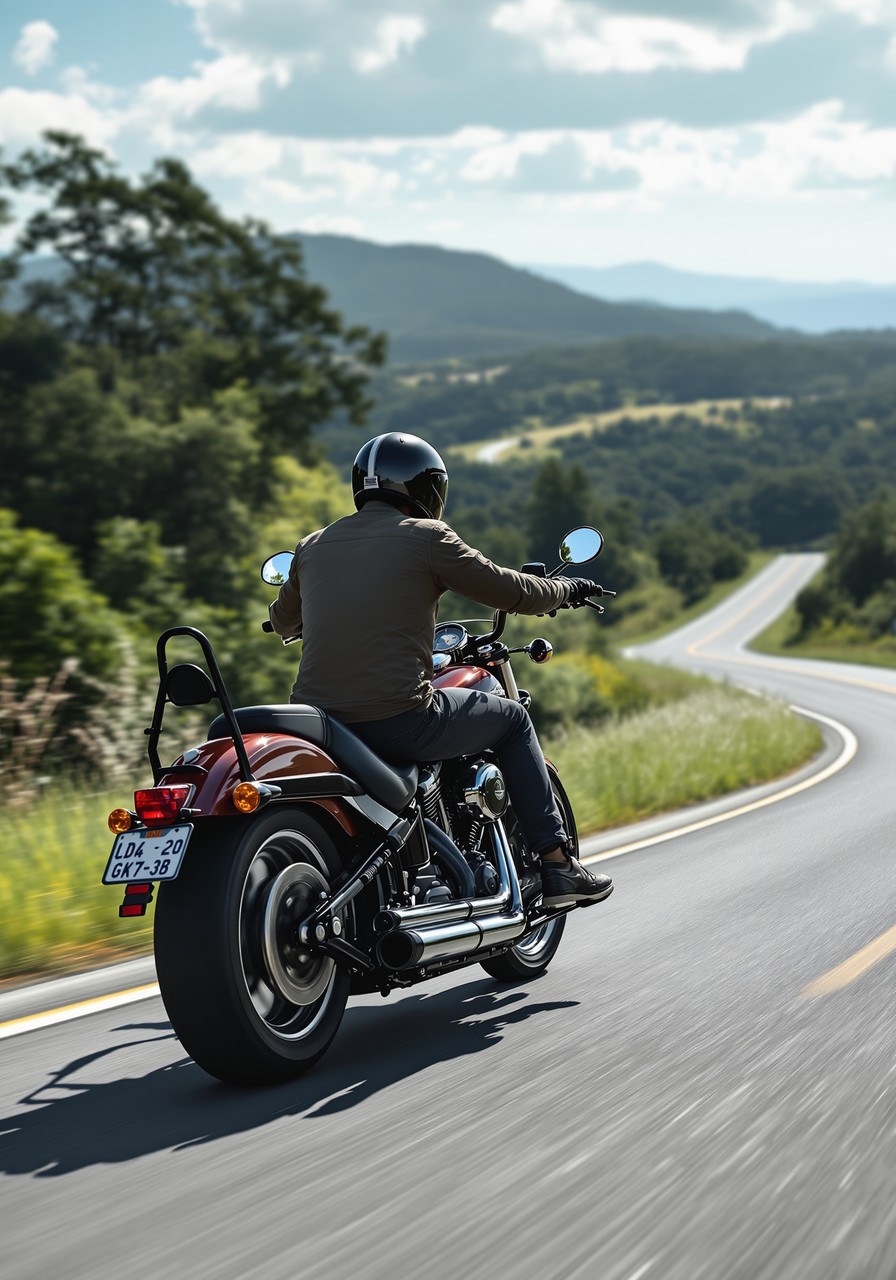
I-275 across the bay is a commute, not a joyride. If you want the views without the traffic, take the Skyway on a Sunday morning. #RideNationFL #SunshineSkyway #TampaBay
Gear & New Iron
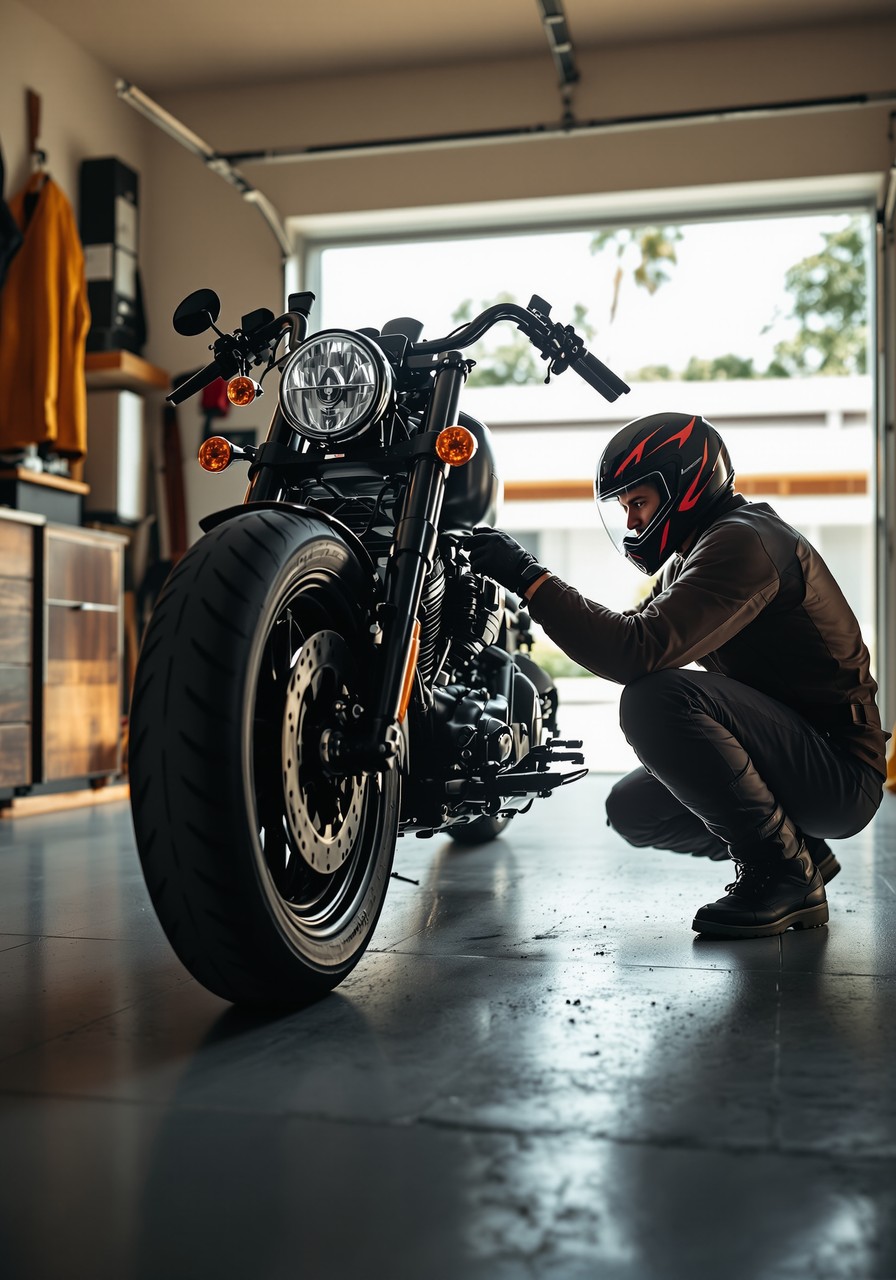
Check your pads before a long ride. Metal on metal costs you a rotor and, worse, stopping distance in traffic. #RideNationFL #MotorcycleMaintenance #RiderTips
Safety & FL Law
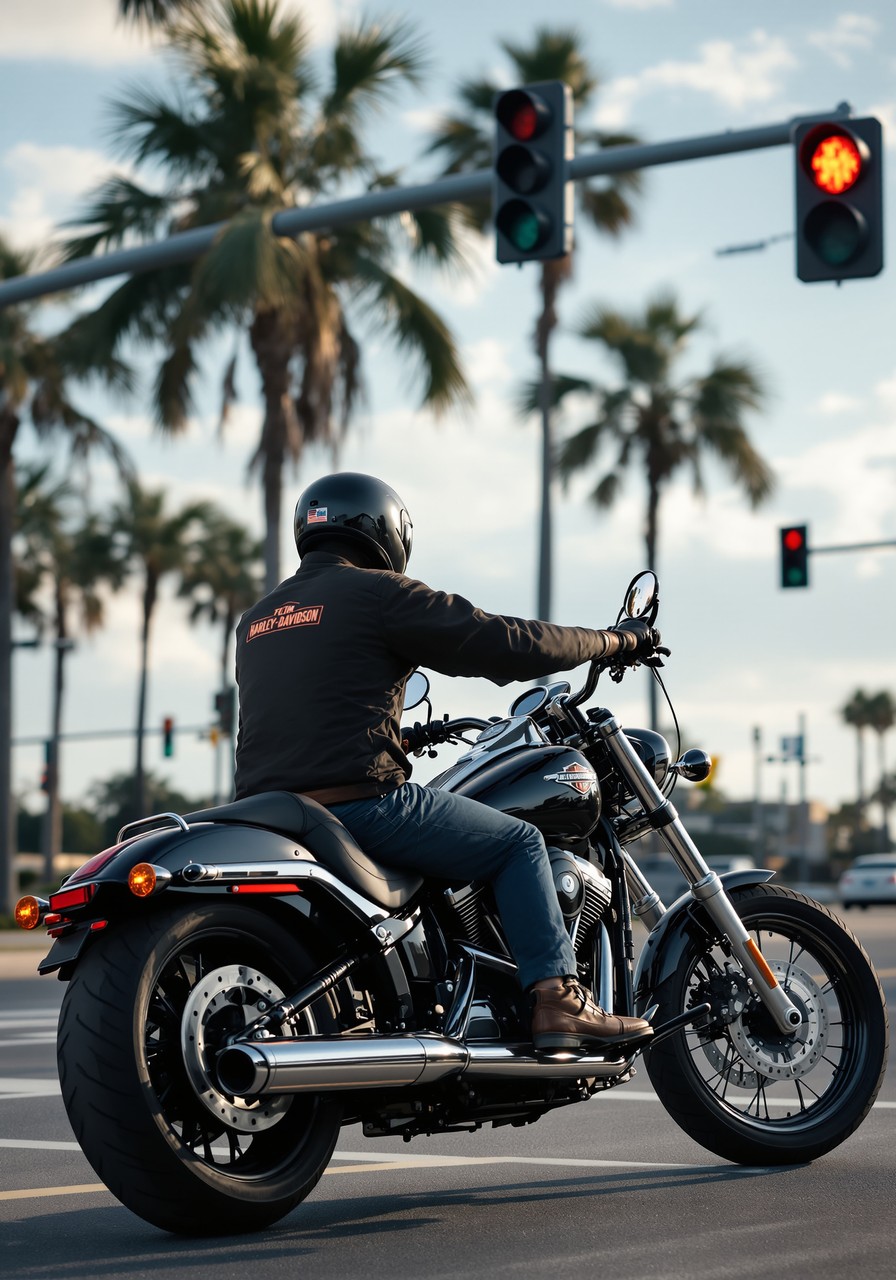
Ride like you are invisible, because to a lot of drivers you are. Own your space and stay predictable. That is how you get home. If someone still hits you, Jason Melton, 352-666-6666. #RideNationFL #RiderSafety #MotorcycleSafety
Engagement
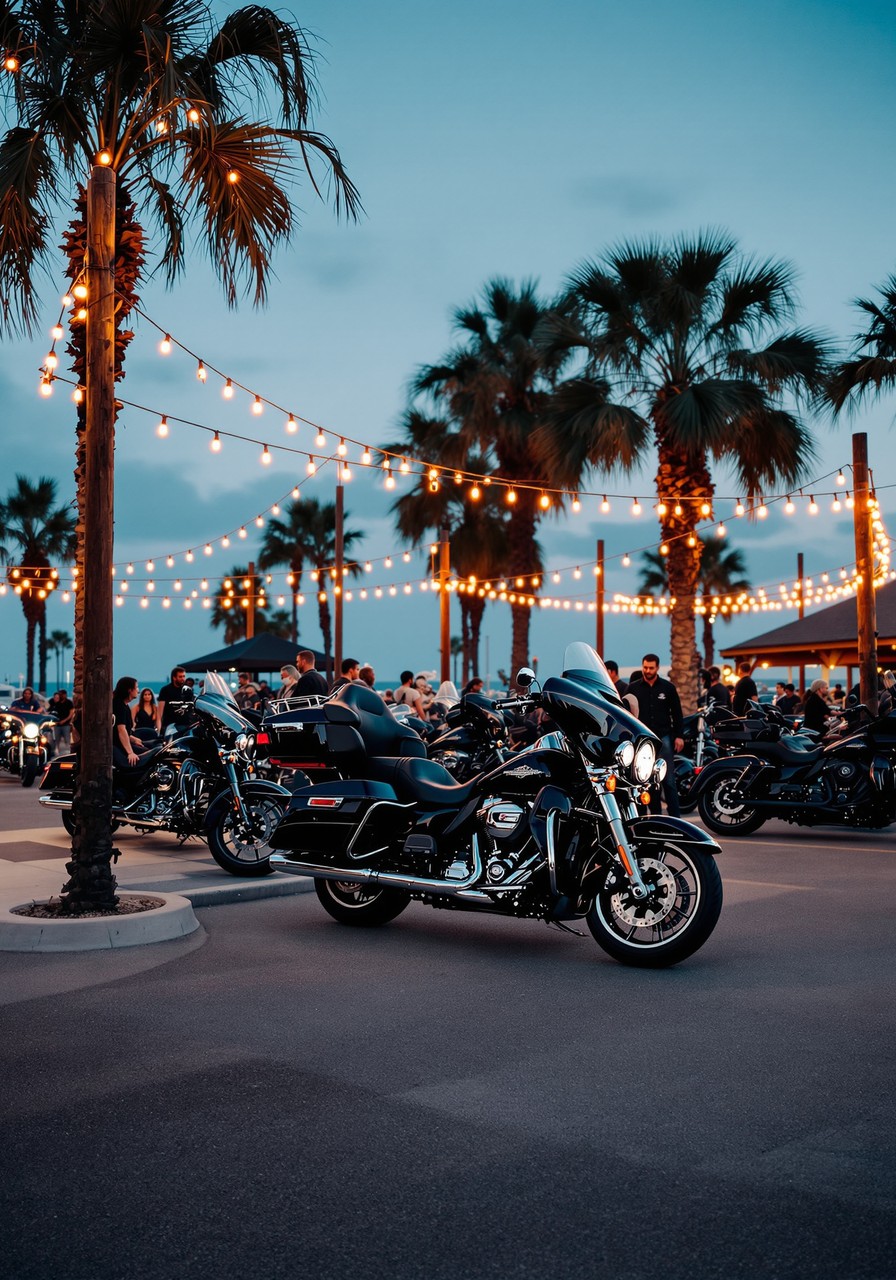
Best roadside food stop on the Nature Coast? Asking for the whole group. #RideNationFL #NatureCoast #GulfCoast
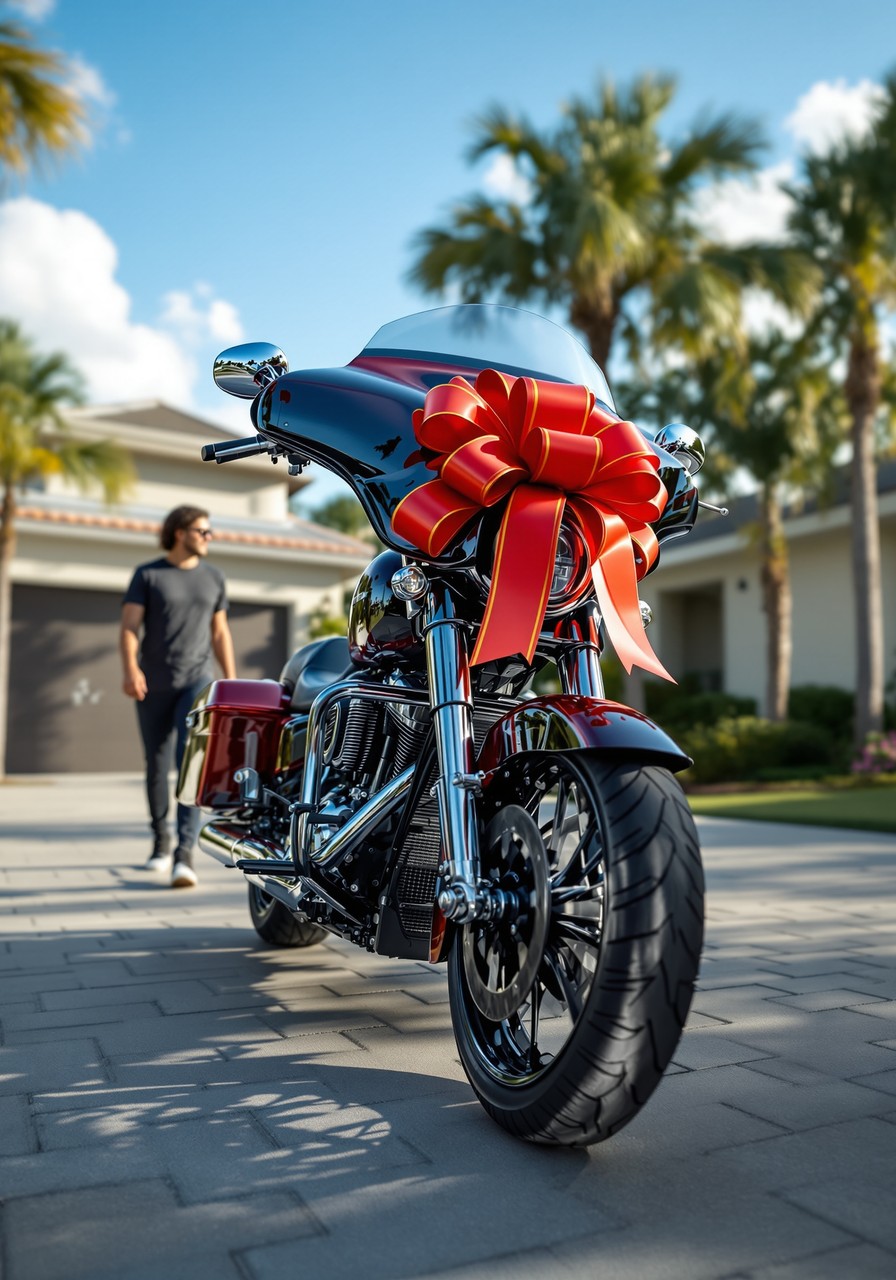
Giveaway & Countdown
Tomorrow is the day. $20,000 gets handed to one rider on December 10. Get your entry in now, link in comments. #RideNationFL #20kGiveaway #MotorcycleGiveaway
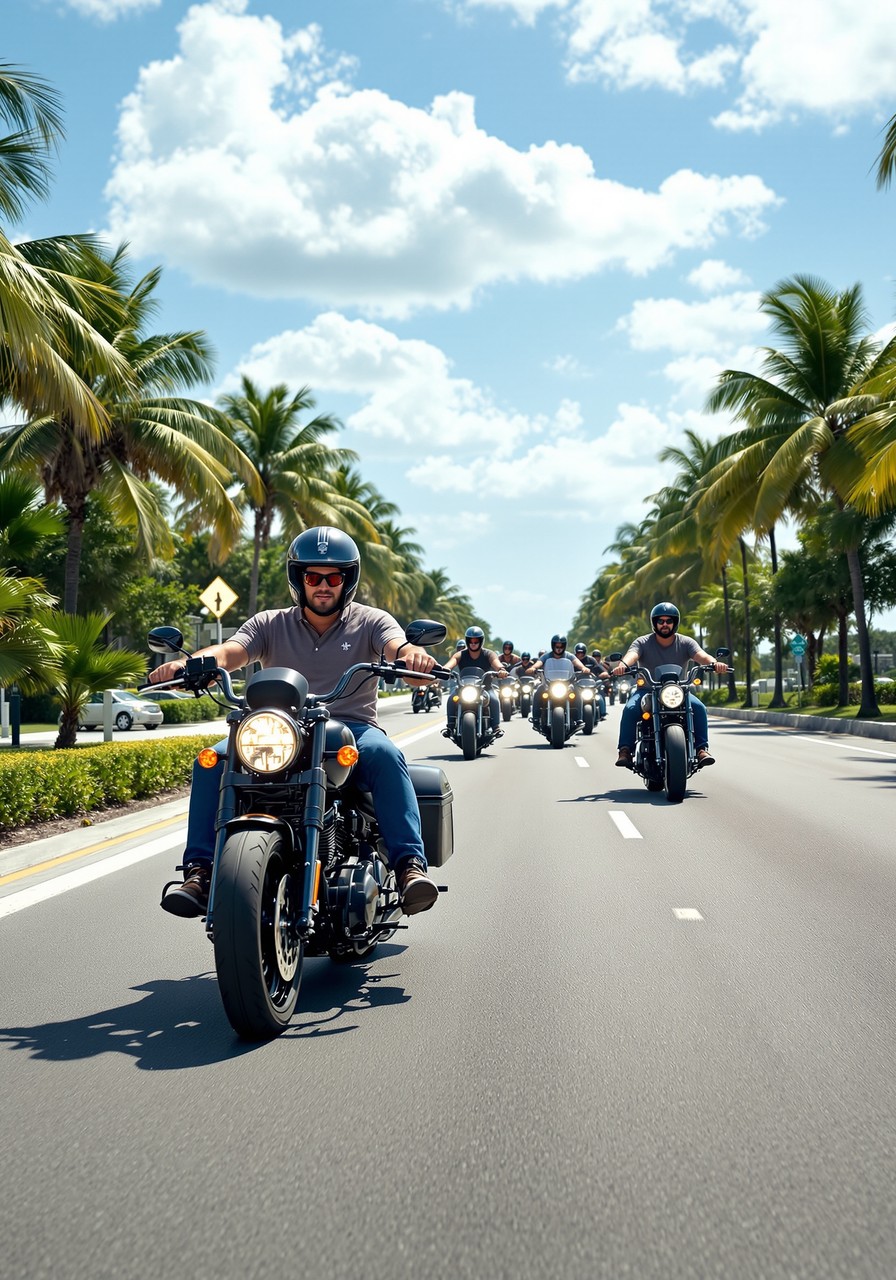
Local FL & Rides
Gulf Coast sunset rides in winter are hard to beat. The light off the water on Anna Maria is worth timing your loop around. #RideNationFL #GulfCoast #Florida
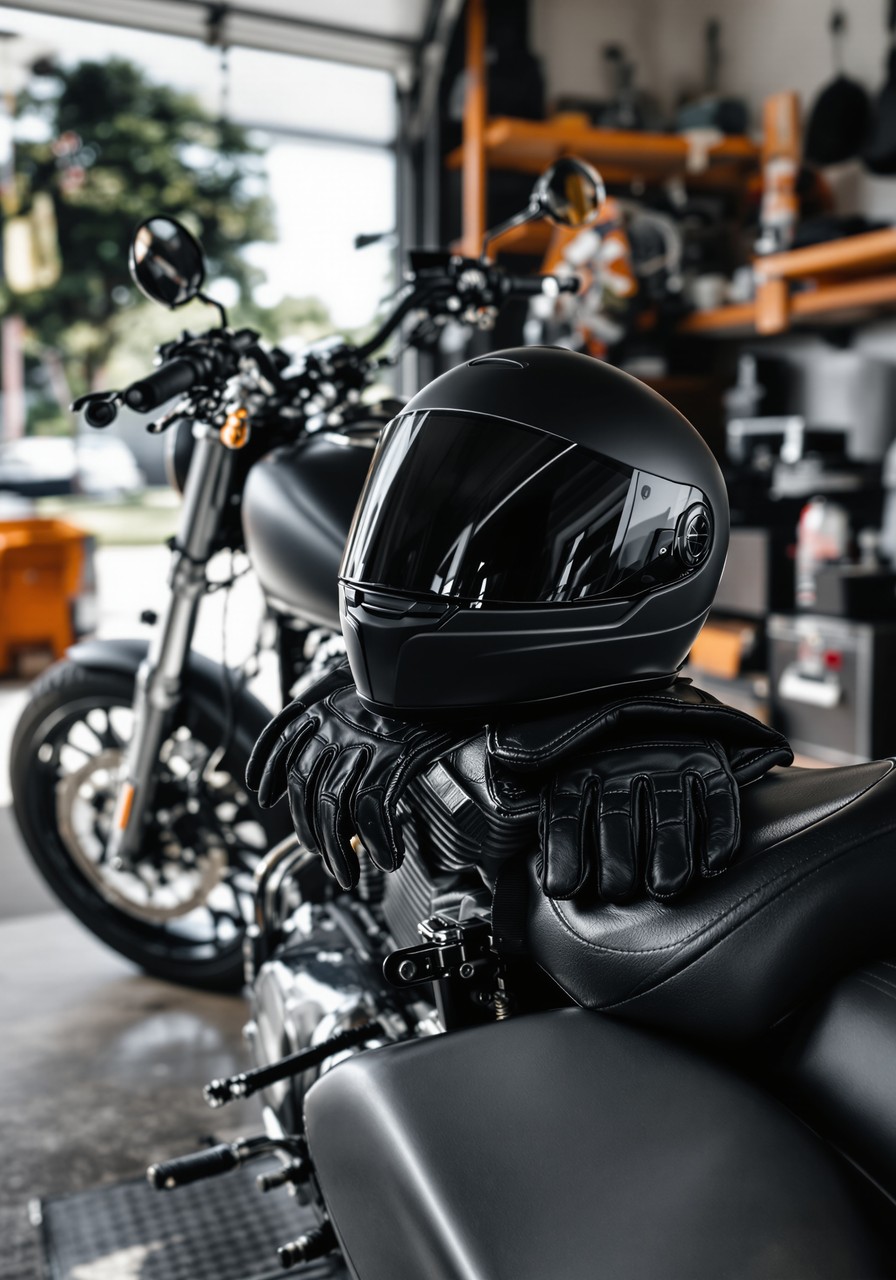
Gear & New Iron
A dry chain robs power and snaps at the worst time. Clean and lube it every few hundred miles, more if you ride in the rain. #RideNationFL #MotorcycleMaintenance #RiderTips
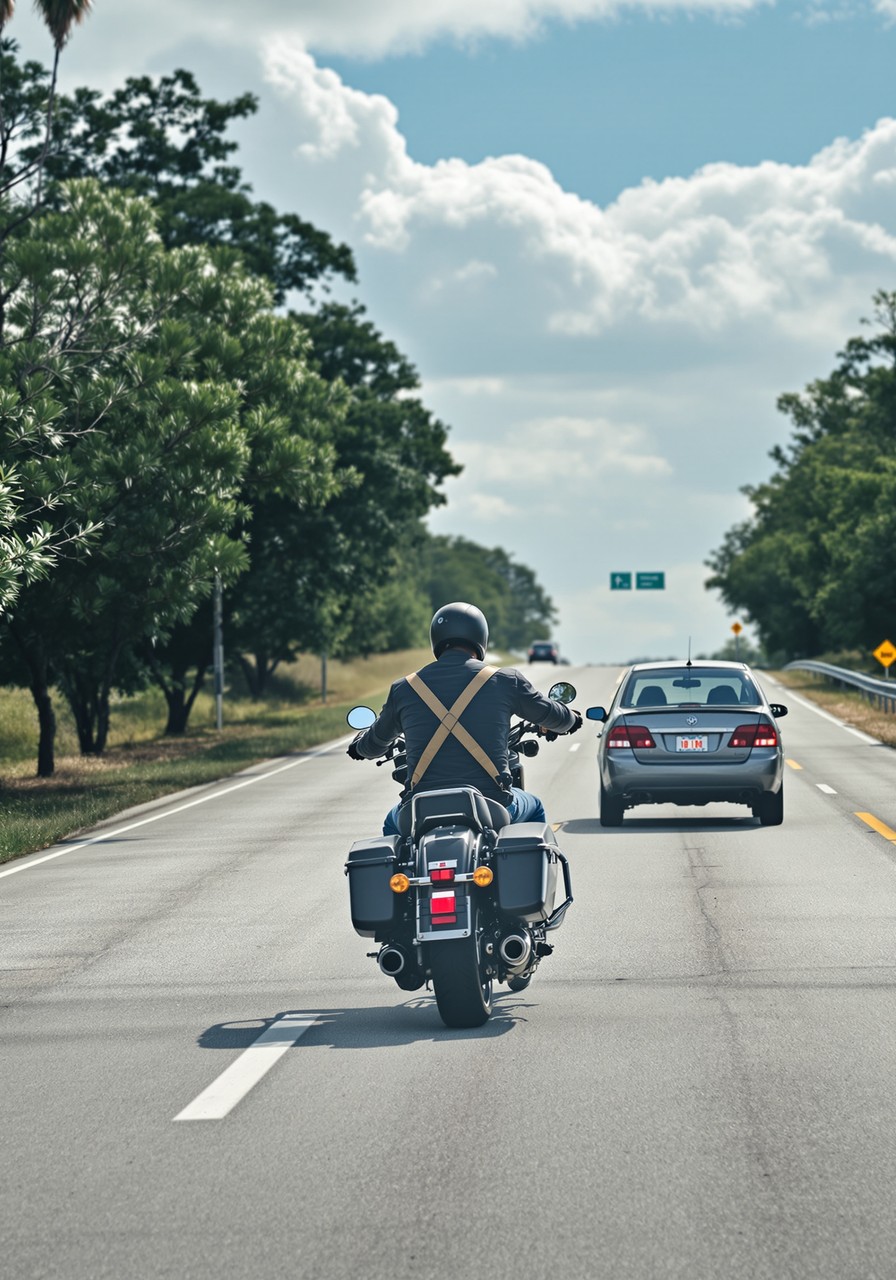
Safety & FL Law
Here is the coverage gap nobody warns you about. No PIP for riders in Florida means your health insurance and UM/UIM carry the load after a crash. Review your policy now, not later. Questions? 352-666-6666. #RideNationFL #UninsuredMotorist #KnowYourRights
Engagement
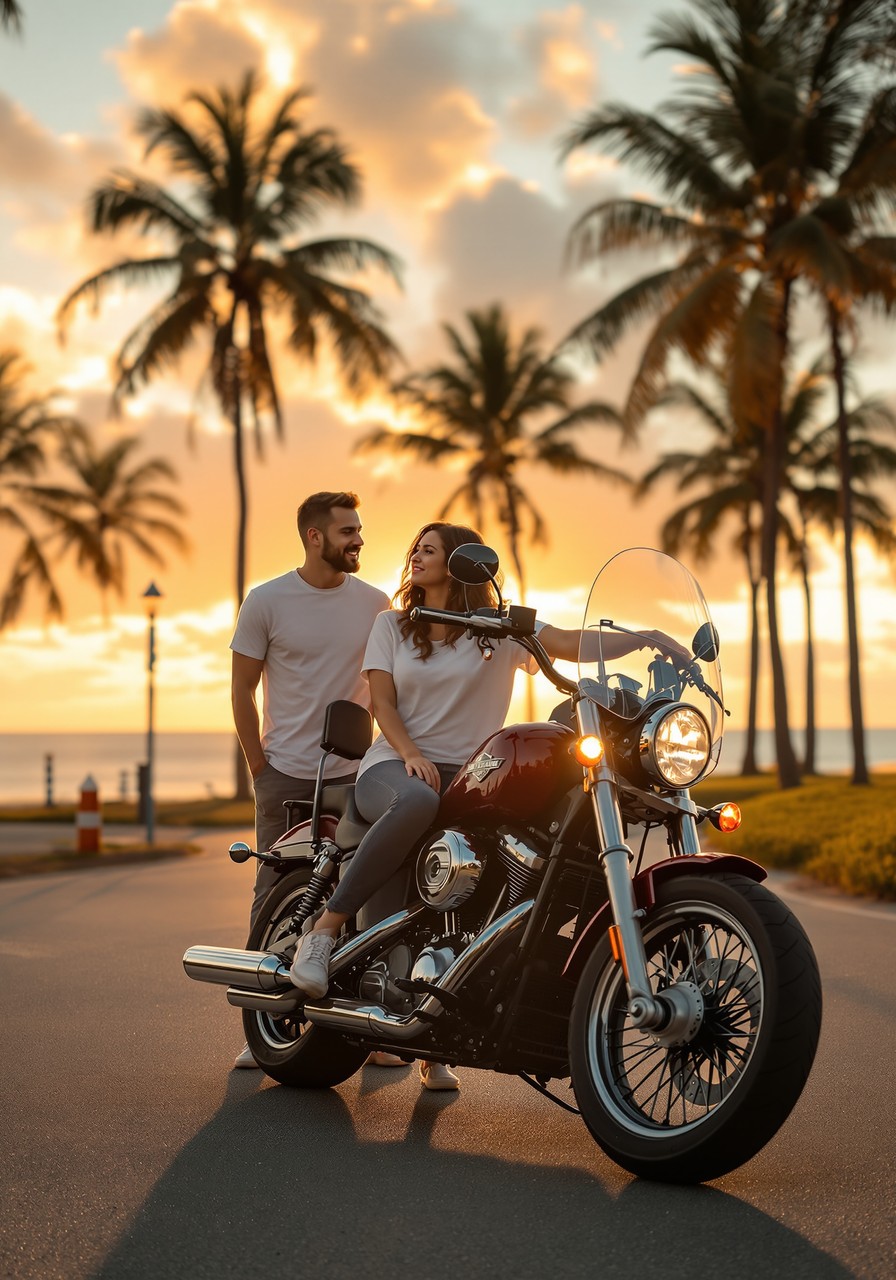
Poll: do you name your bike? Yes and tell us the name, or no and tell us why not. #RideNationFL #BikerLife #TwoWheels
Giveaway & Countdown
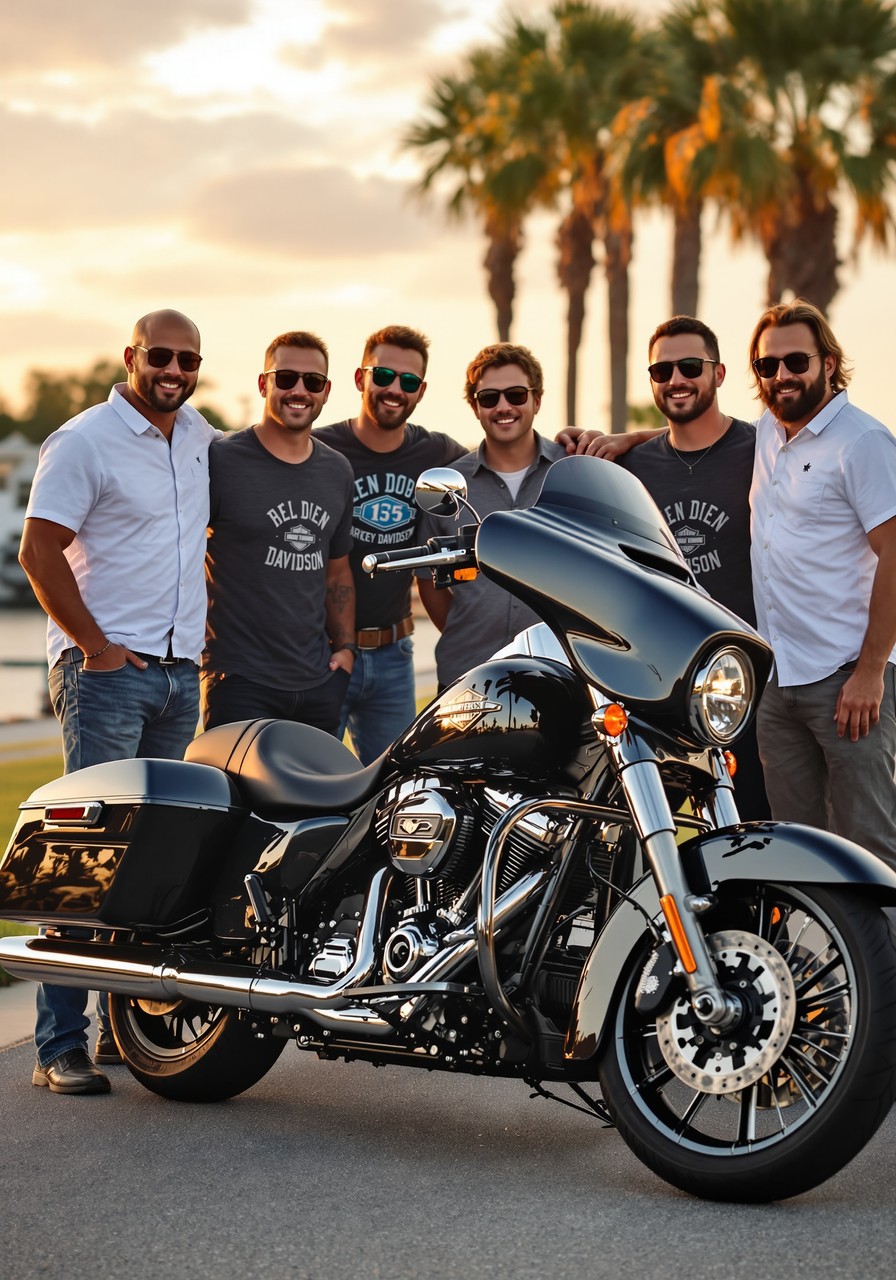
Hours left before we draw. One rider walks away with $20,000 toward any bike. Enter now, link in comments. Questions after a crash? Whittel & Melton, 352-666-6666. #RideNationFL #BikersWin #FloridaRiders
Local FL & Rides
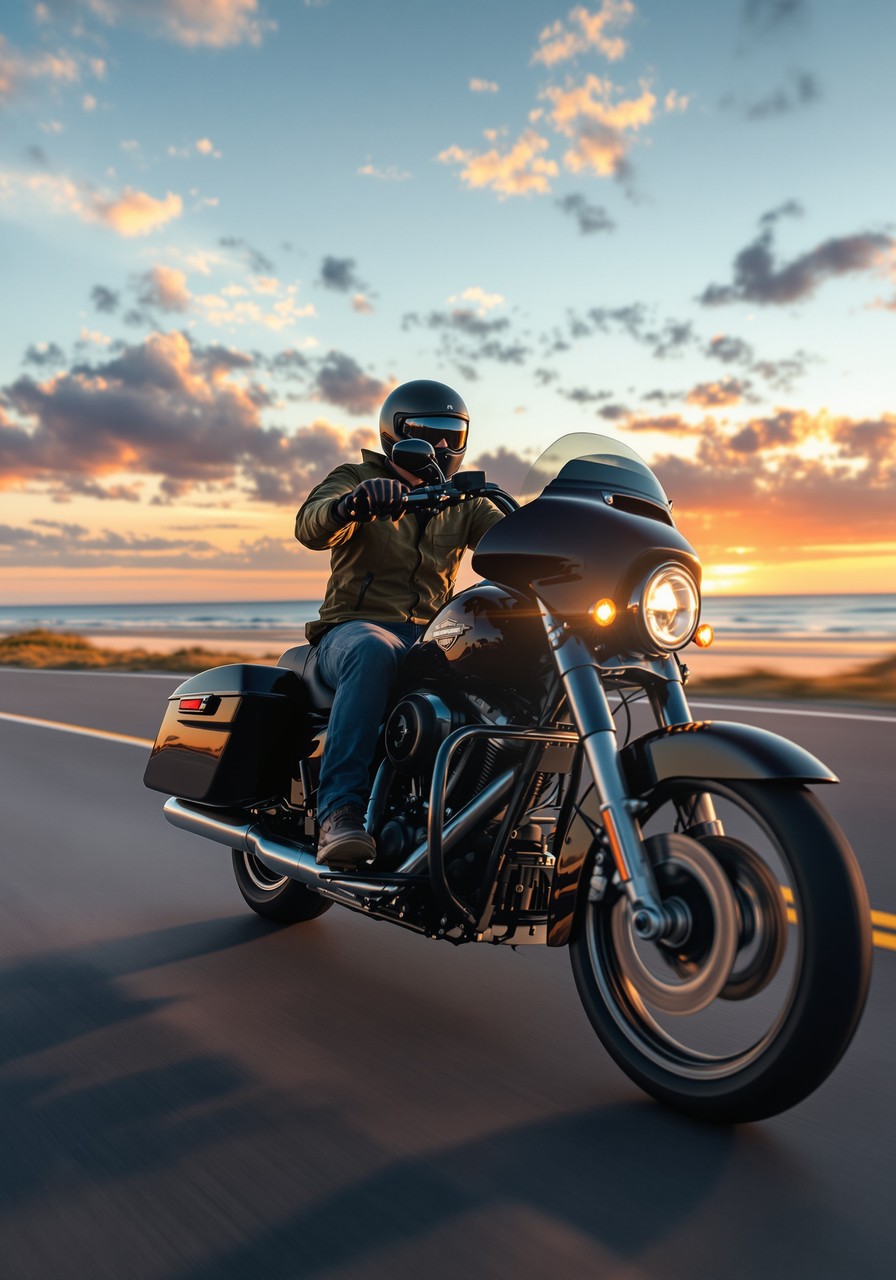
The Suncoast Parkway to Brooksville then into the Withlacoochee is a clean full day. Highway out, backroads home. #RideNationFL #Suncoast #NatureCoast
Gear & New Iron
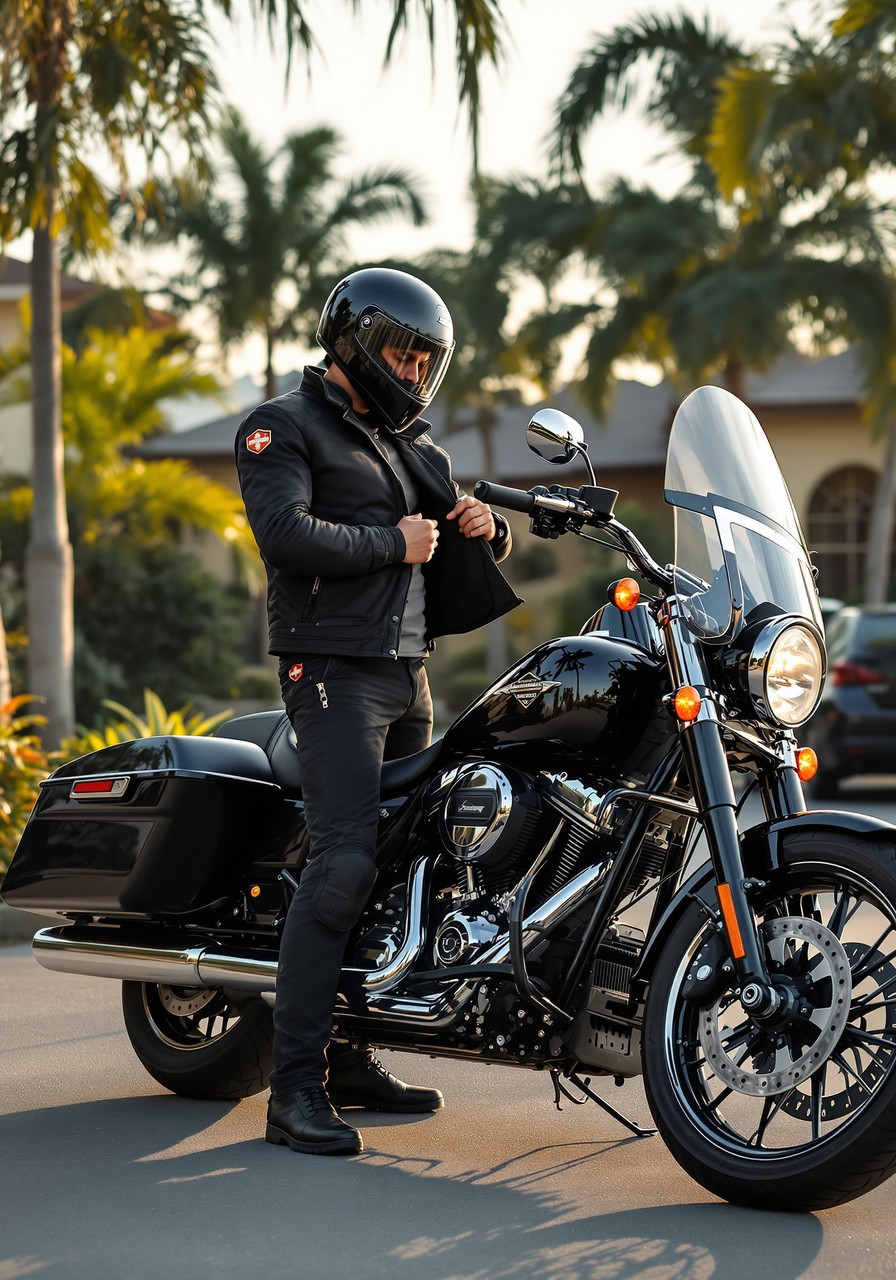
Chain too tight is as bad as too loose. Check the slack with the bike loaded and keep it in spec. Your countershaft bearing thanks you. #RideNationFL #MotorcycleMaintenance #RiderTips
Safety & FL Law
Think the other driver's insurance will cover you? In Florida they may carry no injury coverage at all. UM/UIM protects you when they cannot. Ask us how it works after a crash. Whittel & Melton, 352-666-6666. #RideNationFL #UninsuredMotorist #FloridaLaw
Engagement
One thing every new Florida rider should know. Drop your best tip below. #RideNationFL #FloridaRiders #Florida
Giveaway & Countdown
Draw day is here. Big congrats to our $20,000 winner, and thank you to every rider who entered. More coming, so stay tuned. Whittel & Melton, 352-666-6666. #RideNationFL #BikersWin #WinABike
Local FL & Rides
Tampa Bay winters mean tourist season traffic downtown. Pick your times, ride the causeway early, and skip the midday crush. #RideNationFL #TampaBay #GulfCoast
Gear & New Iron
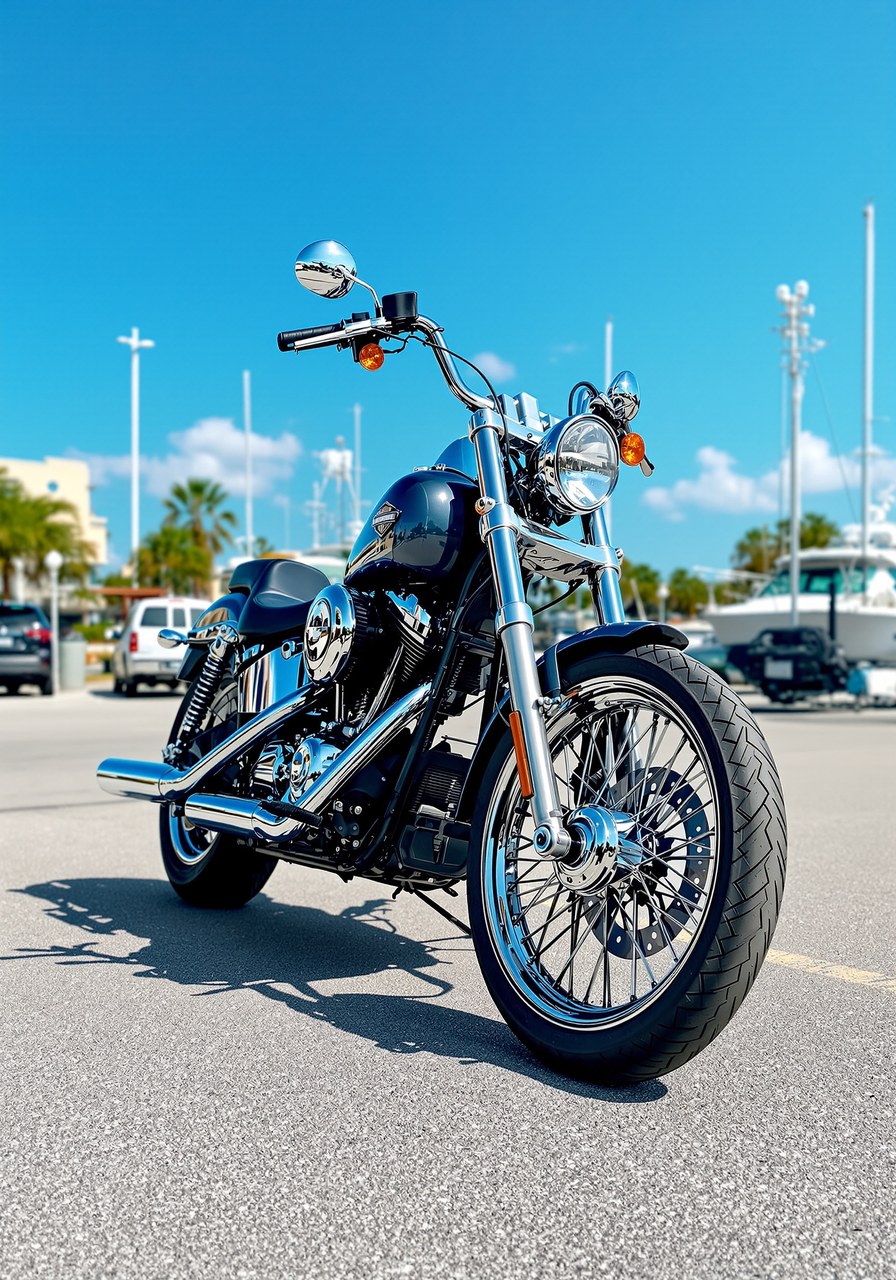
Salt air near the coast eats metal for breakfast. Rinse the bike after a beach ride and wipe down anything shiny. #RideNationFL #MotorcycleMaintenance #FloridaRiders
Safety & FL Law
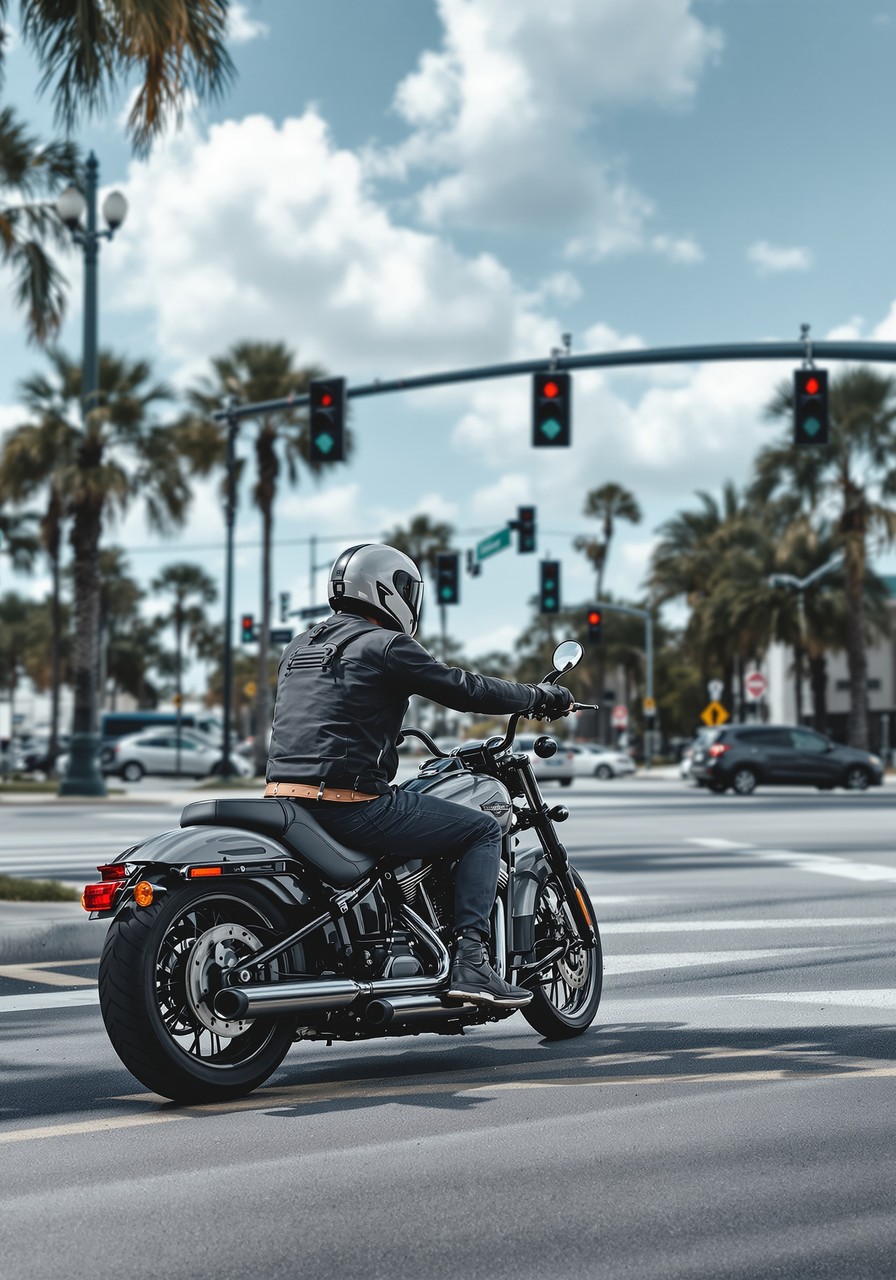
Under 21 in Florida? A helmet is required, no exceptions. Over 21, you still need at least $10,000 in medical coverage to ride without one. Gear up and stay legal. Hurt in a wreck? Jason Melton, 352-666-6666. #RideNationFL #FloridaLaw #ATGATT
Engagement
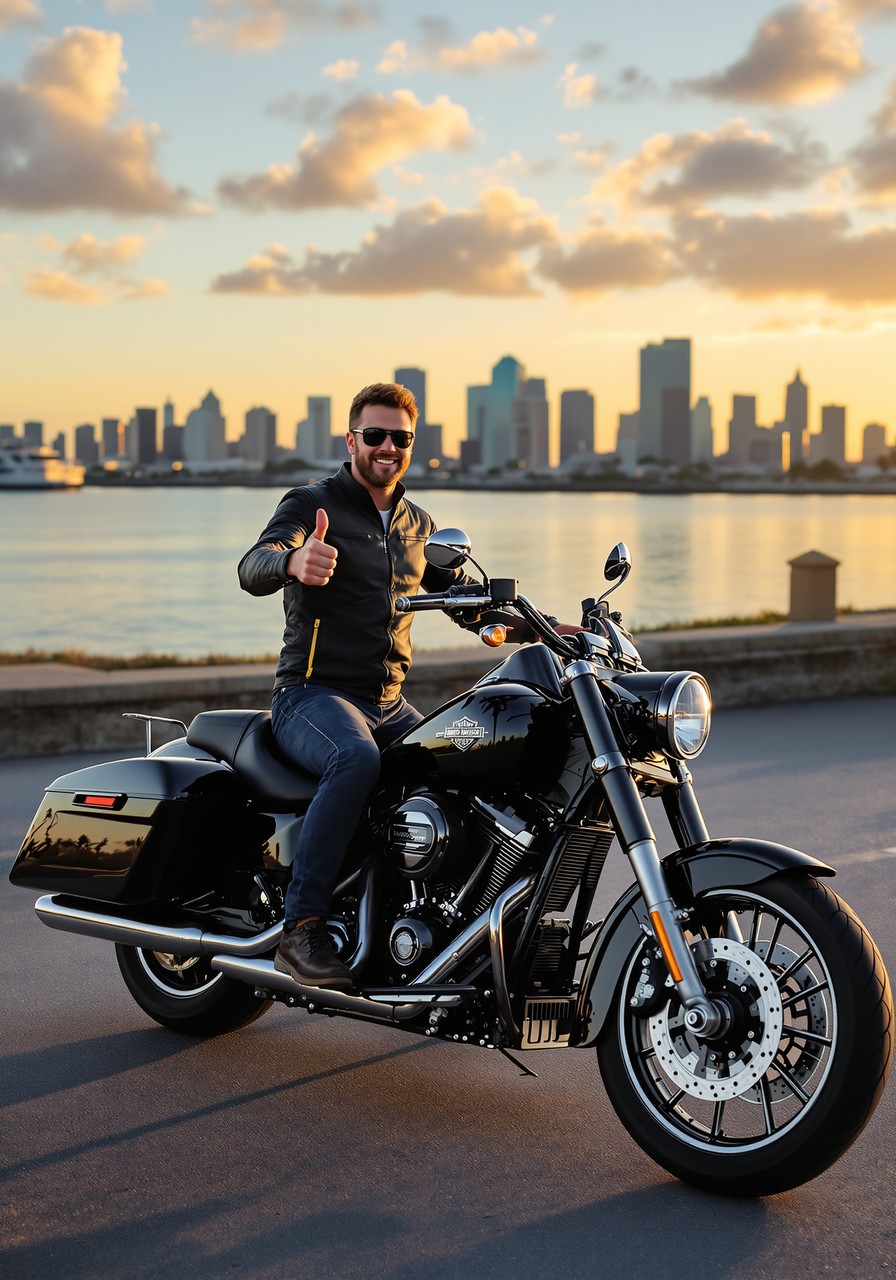
This or that: gear up head to toe every time, or depends on the ride? Be honest. #RideNationFL #TwoWheels #TampaBay
Giveaway & Countdown
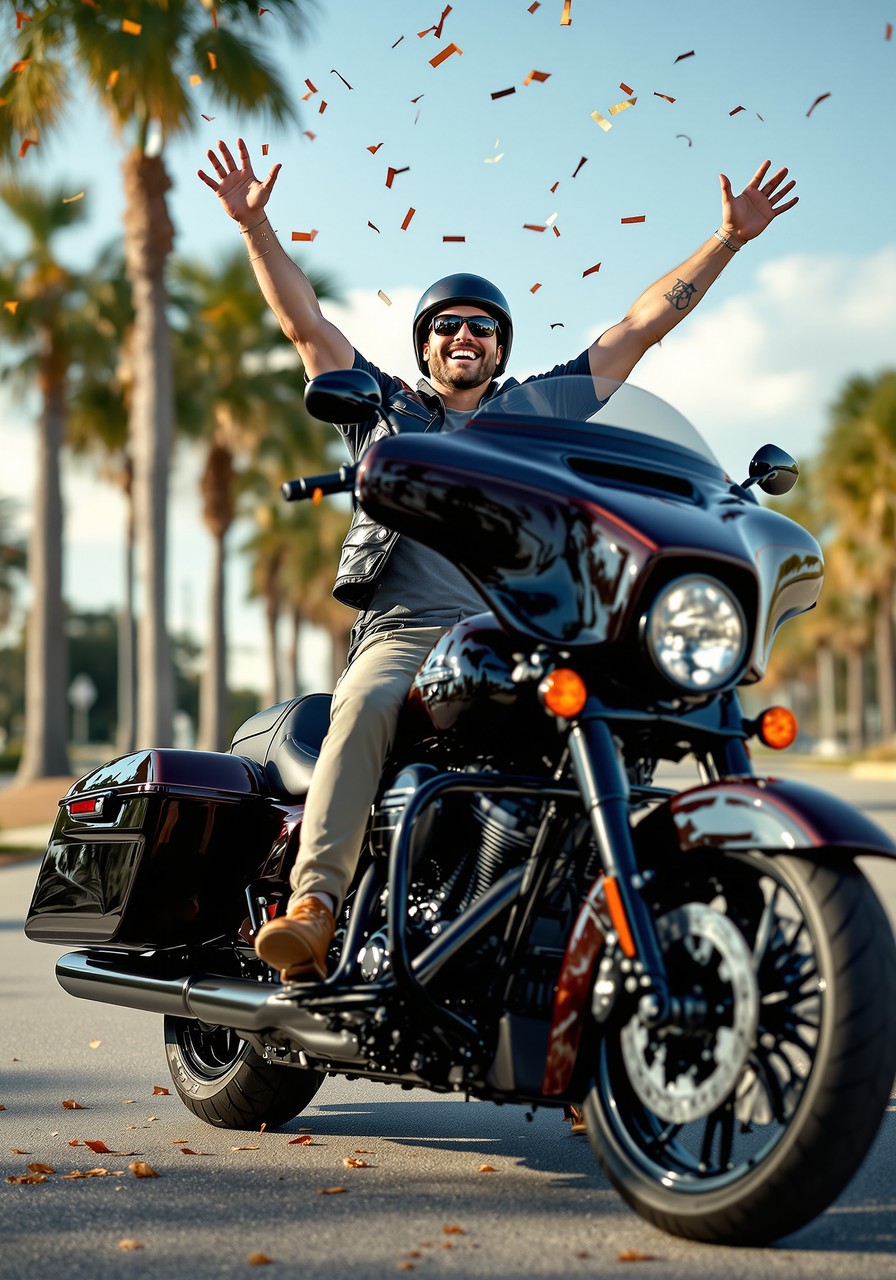
That is a wrap on the $20,000 giveaway. One rider is shopping for a new bike right now. Missed it? The next one is coming, stay tuned. #RideNationFL #MotorcycleGiveaway #FloridaRiders
Local FL & Rides
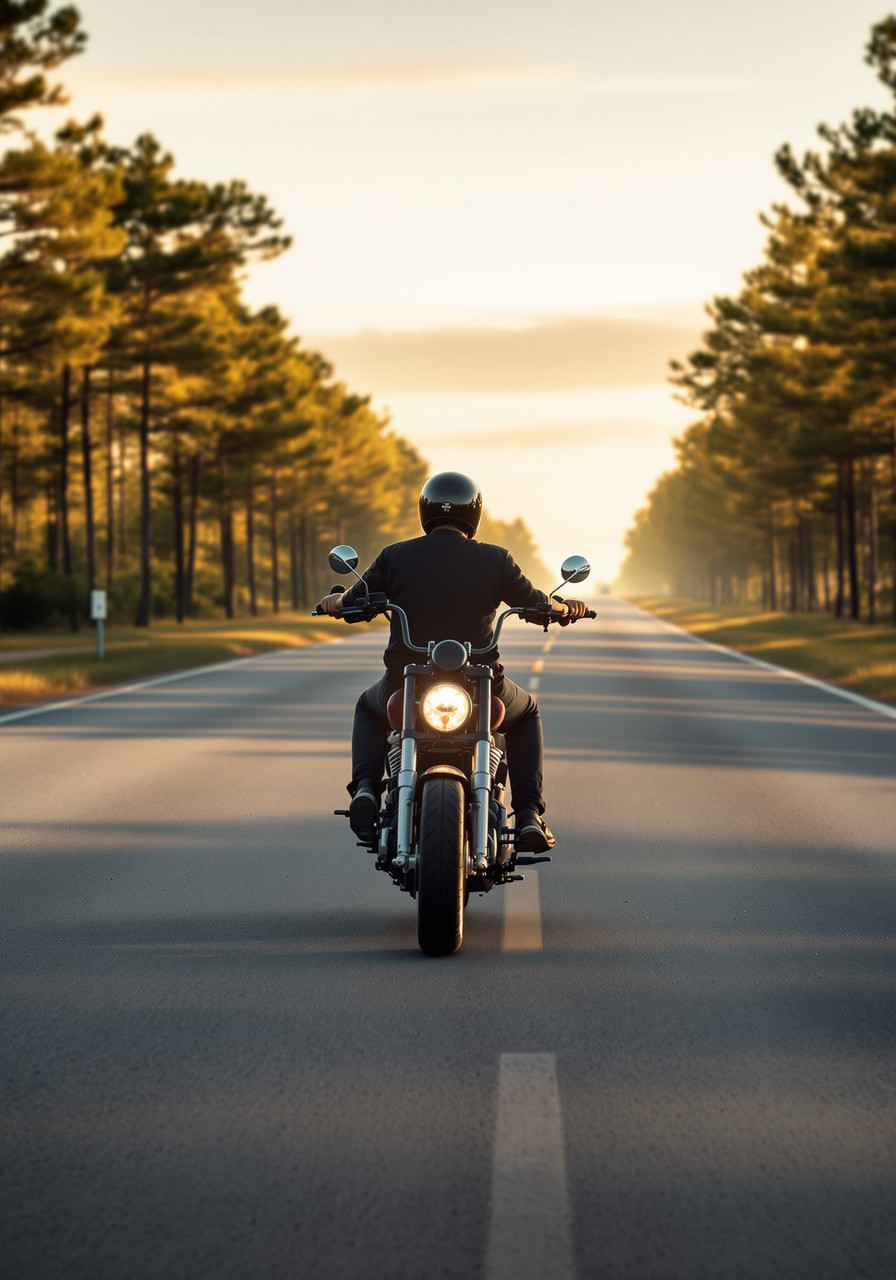
Weeki Wachee to the Gulf on a cool February morning. Spring fed rivers on one side, salt air on the other. #RideNationFL #NatureCoast #GulfCoast
Gear & New Iron
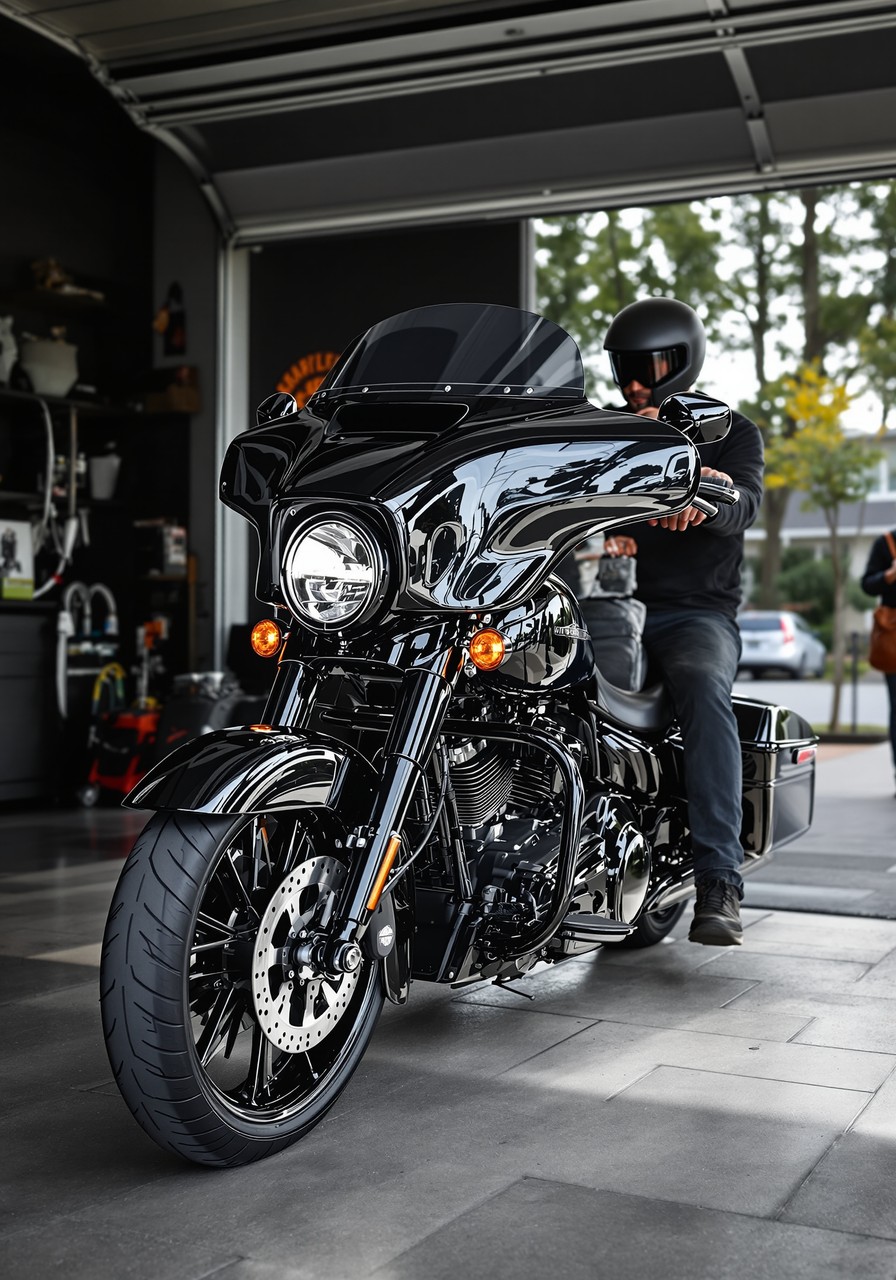
Corrosion loves Florida. A wipe of protectant on fasteners, connectors, and bare metal buys you years. #RideNationFL #MotorcycleMaintenance #FloridaRiders
Safety & FL Law
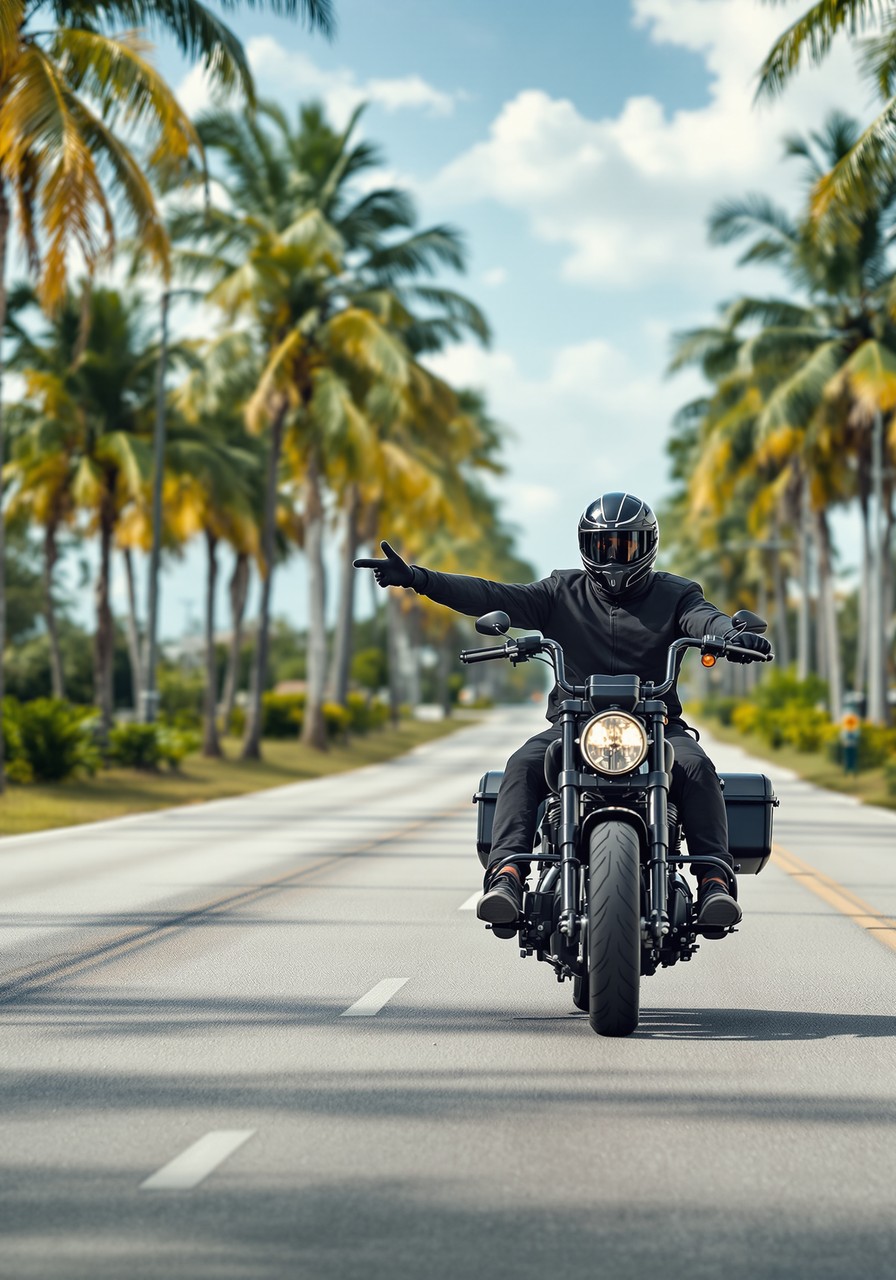
Documentation wins Florida cases. With the 51 percent fault bar, a clean report and good photos can be the difference. Snap pictures and get names if you can. Need guidance? Whittel & Melton, 352-666-6666. #RideNationFL #FloridaLaw #KnowYourRights
Engagement
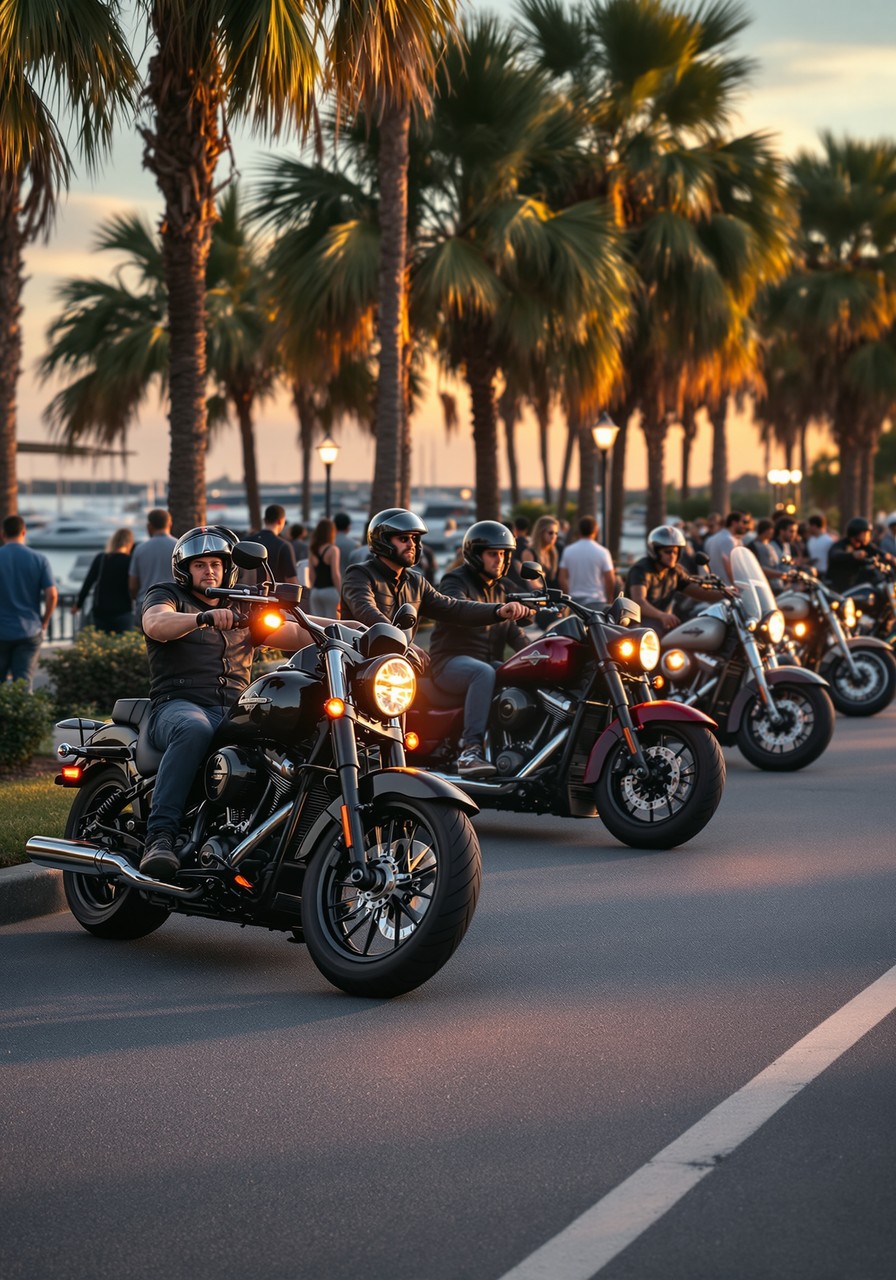
Fill in the blank: you know it's peak riding season in Florida when ______. #RideNationFL #FloridaRiders #GulfCoast
Giveaway & Countdown
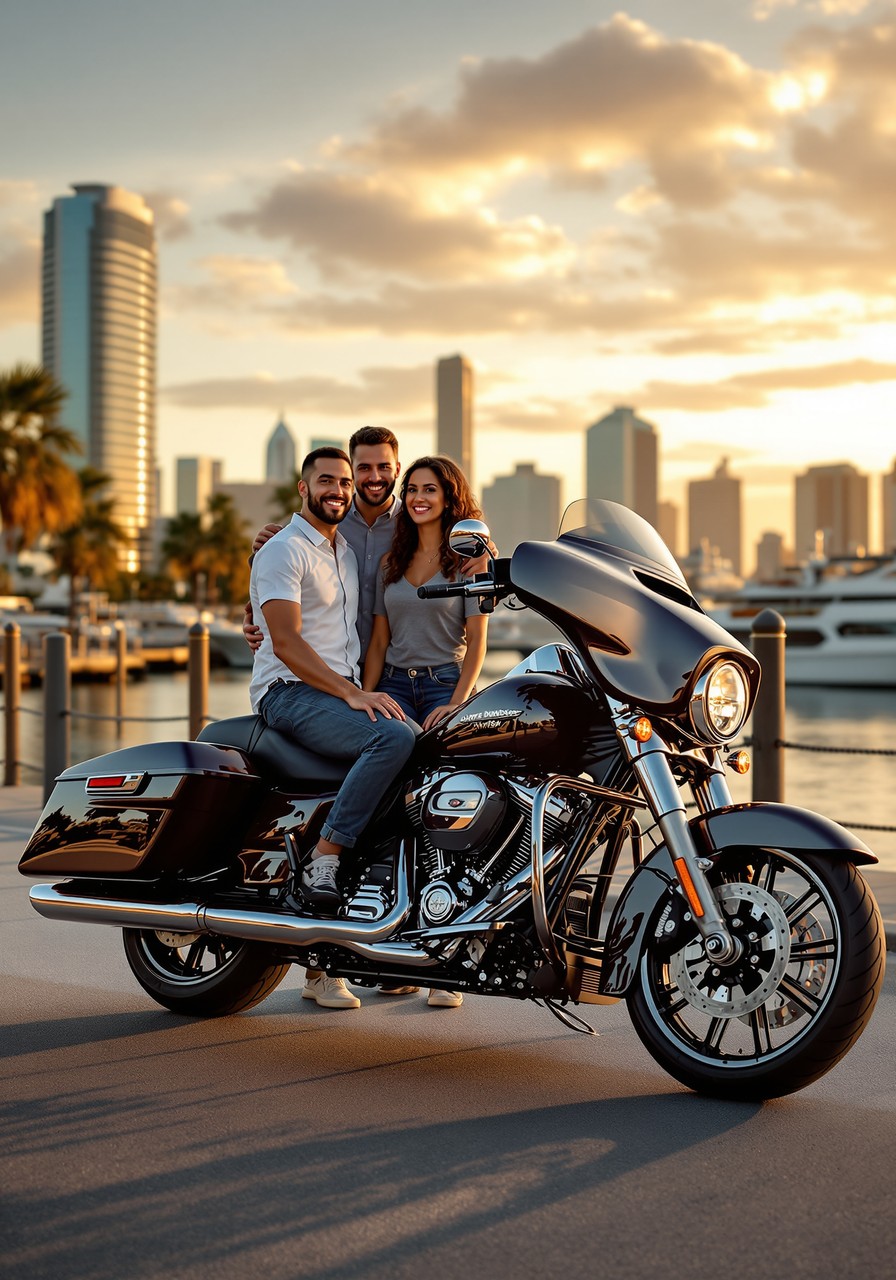
Congrats again to our winner. If you did not take home the $20,000 this time, do not sweat it. Another giveaway is on the way. Whittel & Melton, 352-666-6666. #RideNationFL #BikersWin #20kGiveaway
Local FL & Rides
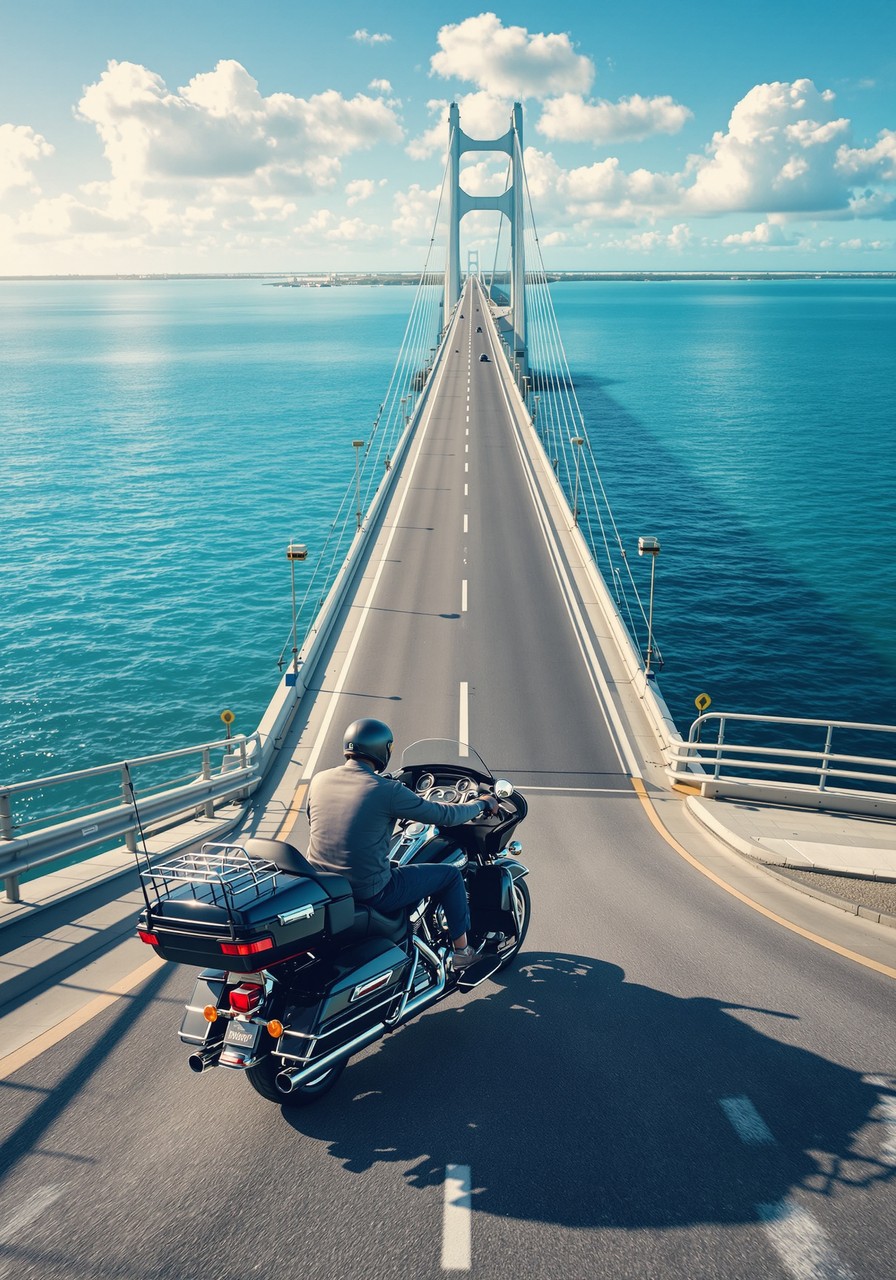
Clermont hills day trip. String together Sugarloaf Mountain and the surrounding climbs and you forget you are in Florida. #RideNationFL #MotorcycleRoads #Florida
Gear & New Iron
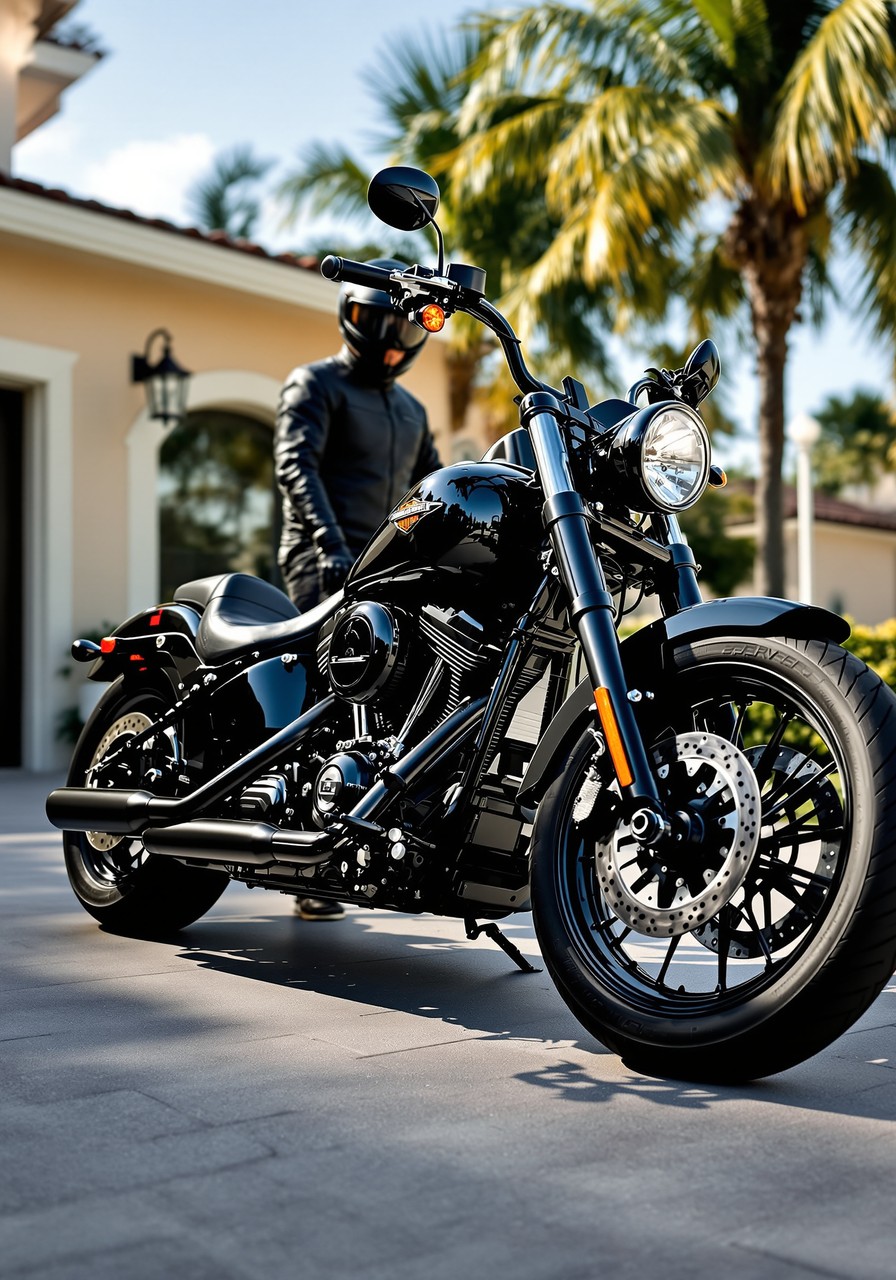
Rain gear that packs small lives under your seat for a reason. Florida skies turn on you in ten minutes flat. #RideNationFL #GearUp #FloridaRiders
Safety & FL Law
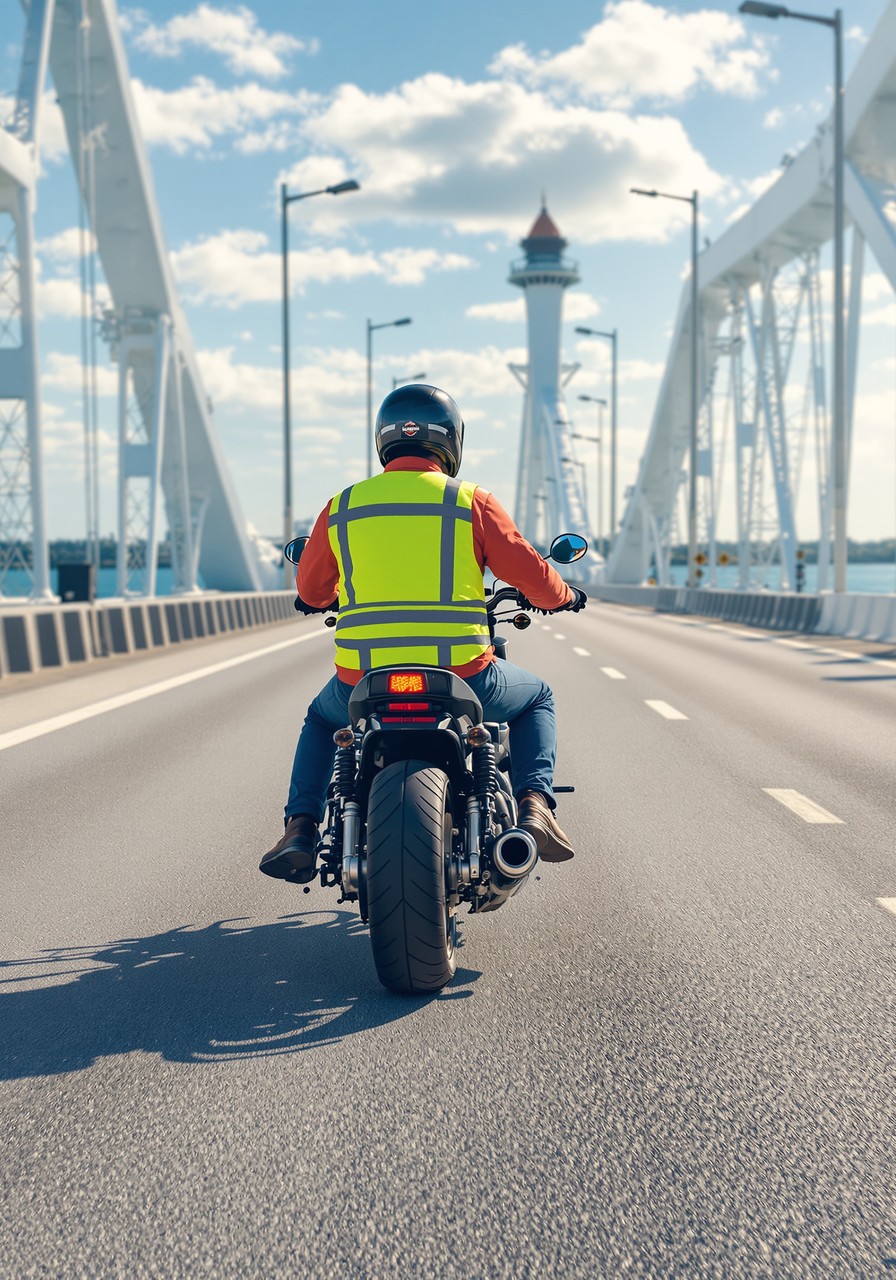
Two years. That is your window to file an injury claim in Florida after the 2023 reform. Do not let a strong case expire on the calendar. Free to talk it through with Jason Melton, 352-666-6666. #RideNationFL #FloridaLaw #KnowYourRights
Engagement
Show us your view. Post a pic of where your last ride ended. #RideNationFL #GulfCoast #BikerLife
Giveaway & Countdown
Missed the December draw? Good news, we are already planning the next giveaway. Keep an eye on this page so you do not miss the entry link. #RideNationFL #WinABike #FreeToEnter
Local FL & Rides
Snowbird season parking lots are a hazard too. People back out without looking, so stay sharp rolling through the beach towns. #RideNationFL #GulfCoast #FloridaRiders
Gear & New Iron
A soaked rider is a distracted rider. Waterproof gloves and a good shell keep your head in the ride when the sky opens up. #RideNationFL #GearUp #RiderTips
Safety & FL Law
Reminder for every FL rider: PIP does not exist for you. A driver gets it for their own bills, you get nothing. Strong health coverage and UM/UIM fill that hole. Questions after a crash? 352-666-6666. #RideNationFL #FloridaLaw #UninsuredMotorist
Engagement
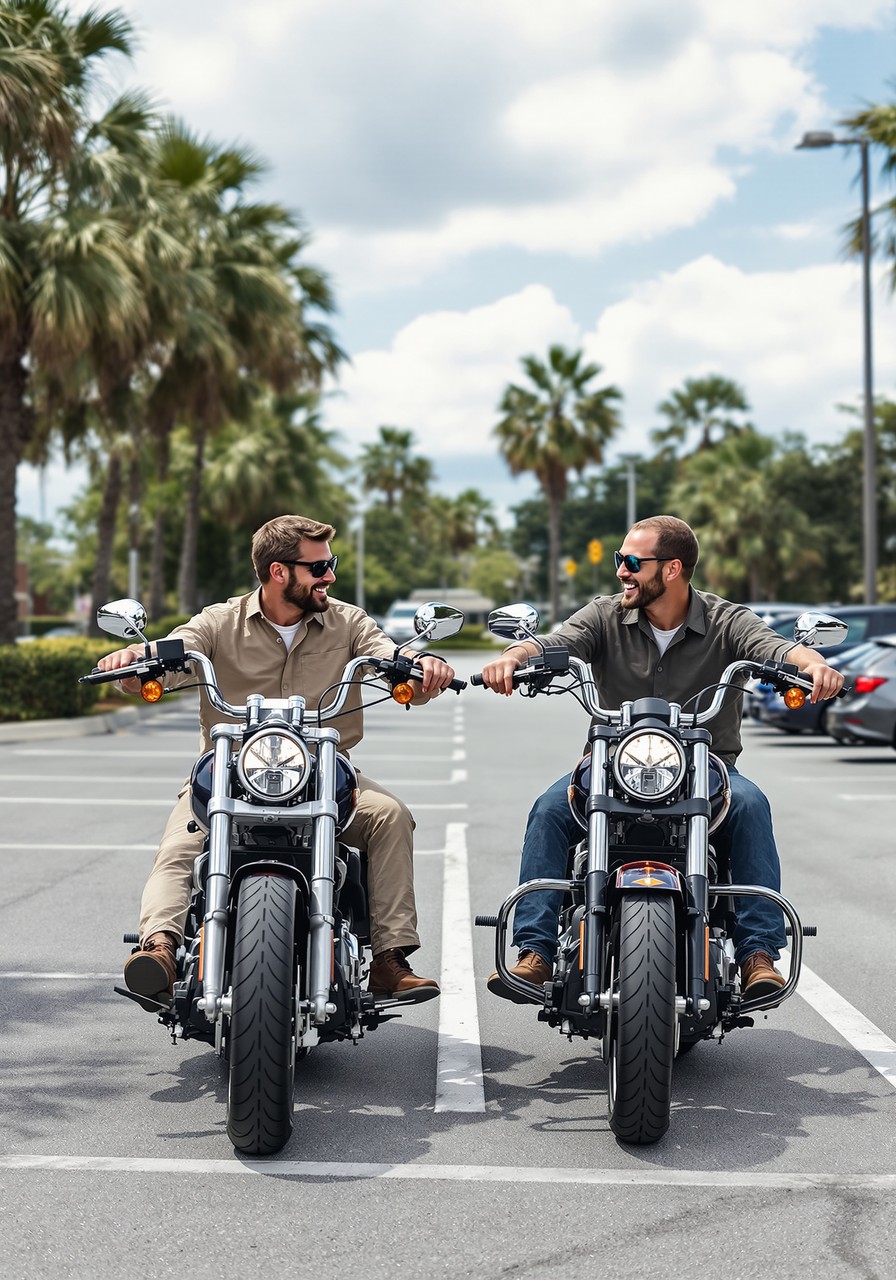
Tag your favorite riding buddy and dare them to plan the next route. #RideNationFL #RideOrDie #TampaBay
Giveaway & Countdown
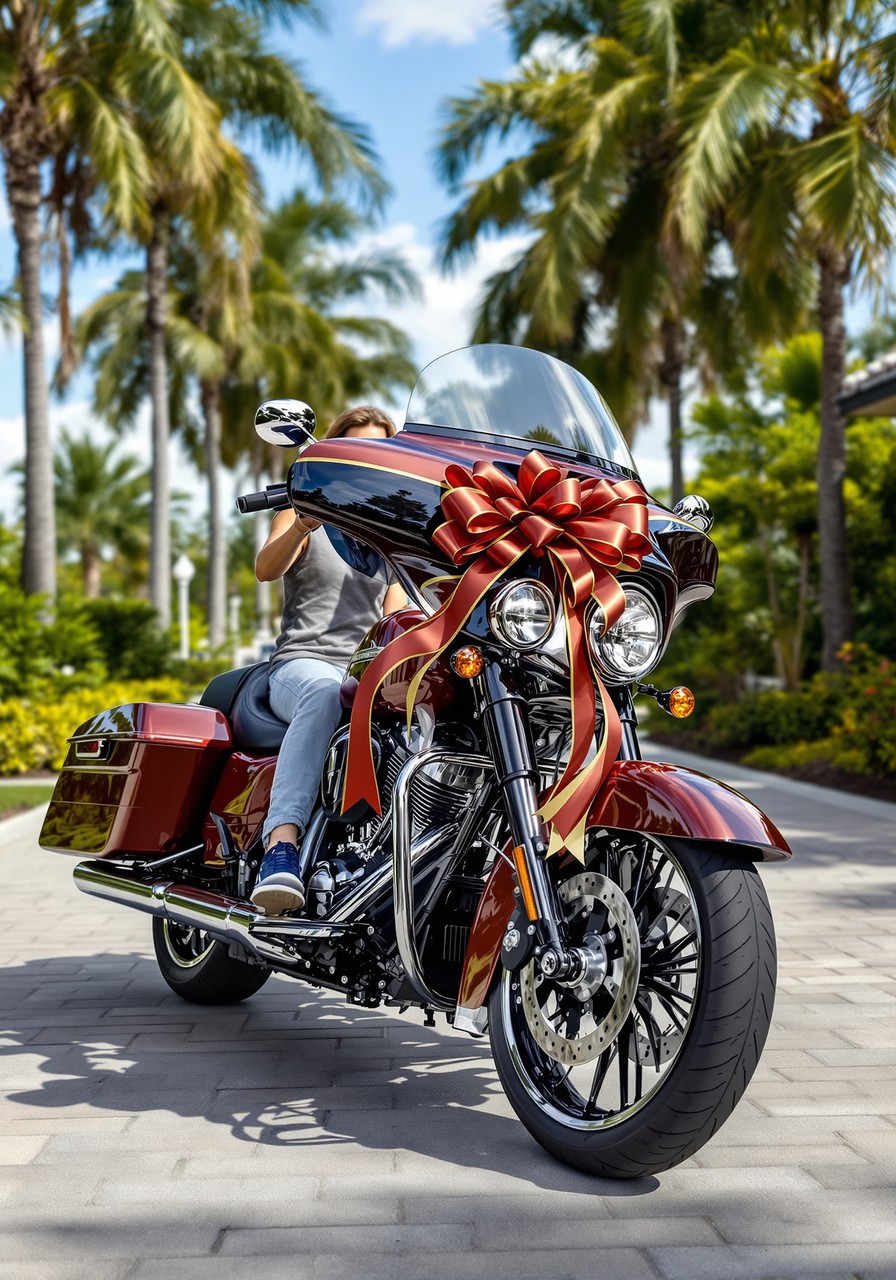
One rider already won big. The next winner could be you. Stay tuned for our next giveaway, details dropping soon. Questions after a wreck? Whittel & Melton, 352-666-6666. #RideNationFL #MotorcycleGiveaway #FloridaRiders
Local FL & Rides
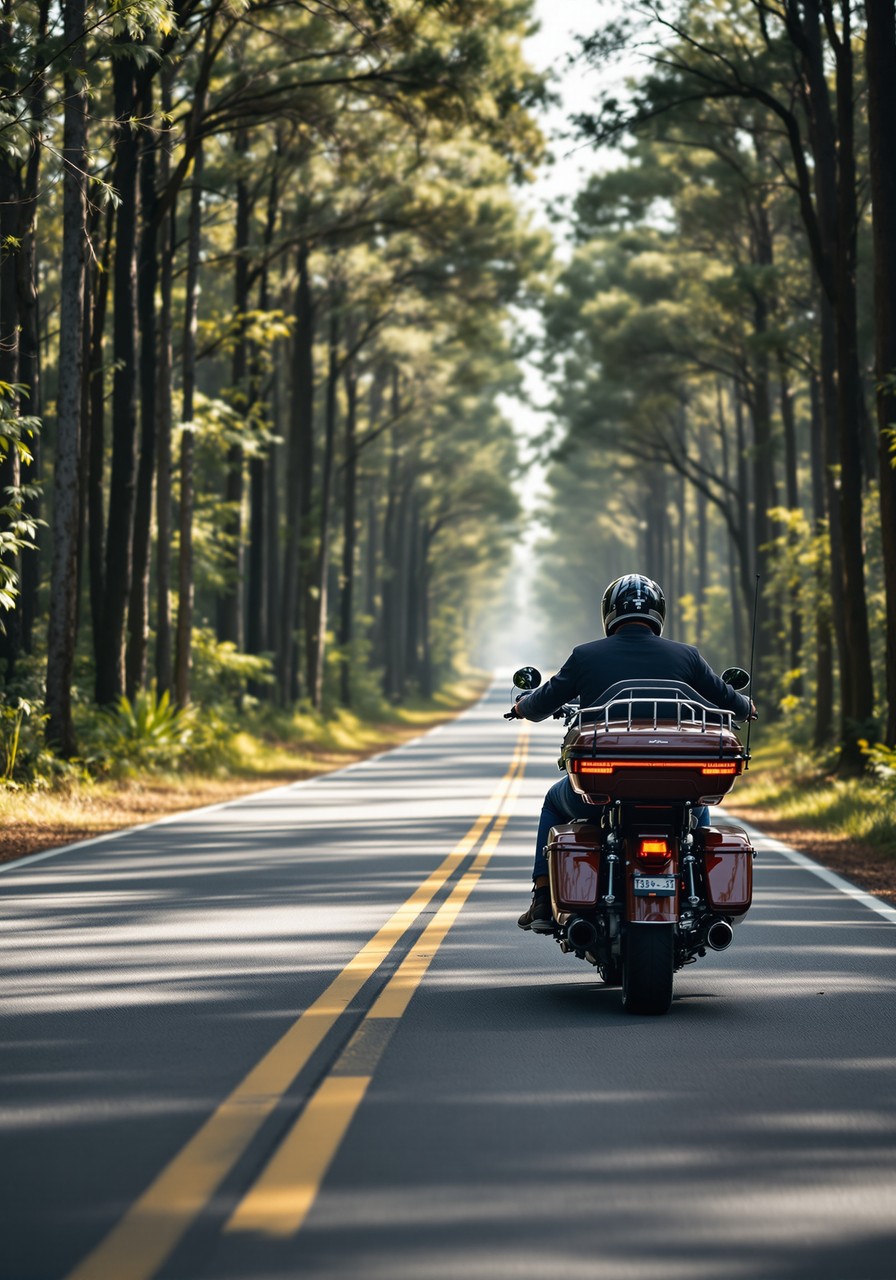
The Pinellas beach roads at first light are yours before the tourists wake up. Ride Gulf Boulevard while you have the window. #RideNationFL #GulfCoast #Suncoast
Gear & New Iron
Fogging visor in the humidity is a real hazard. A Pinlock insert or an anti fog coating keeps your view clear through the muggy mornings. #RideNationFL #GearUp #FloridaHeat
Safety & FL Law
Intersections are where most rider crashes happen, usually a left turn across your path. Slow down, look twice, plan an out. Ride your own ride. Hit by a careless driver? Whittel & Melton, 352-666-6666. #RideNationFL #RiderSafety #MotorcycleSafety
Engagement
Poll: A/C blasting cage life, or windshield in your face freedom, even in August? #RideNationFL #Florida #TwoWheels
Giveaway & Countdown
New year, new chance to win big toward a bike. Our next giveaway is coming and it is free to enter. Stay tuned. Questions after a wreck? Whittel & Melton, 352-666-6666. #RideNationFL #BikersWin #WinABike
Local FL & Rides
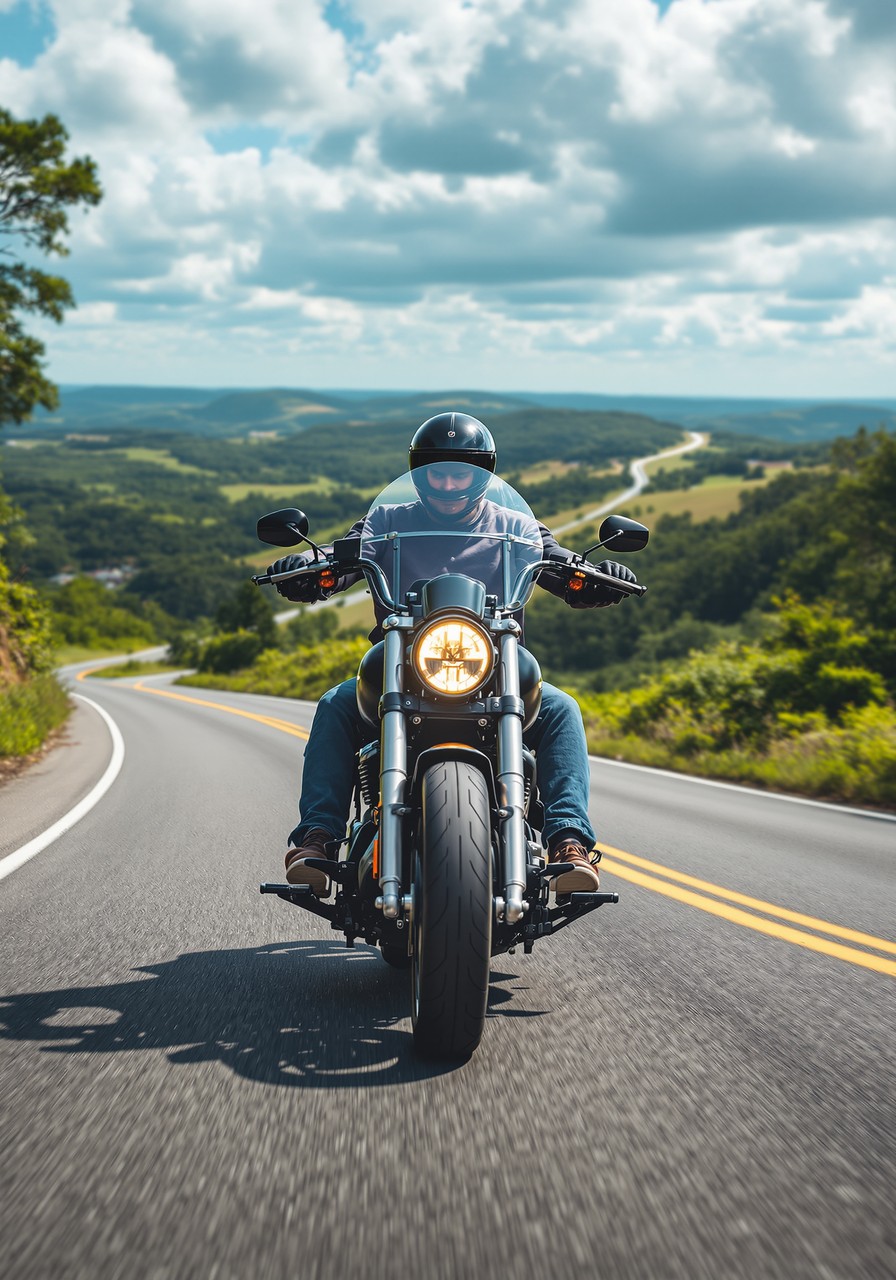
Afternoon pop up storms move fast this time of year. If you see it building over the Gulf on your ride out, plan a shorter loop. #RideNationFL #GulfCoast #Florida
Gear & New Iron
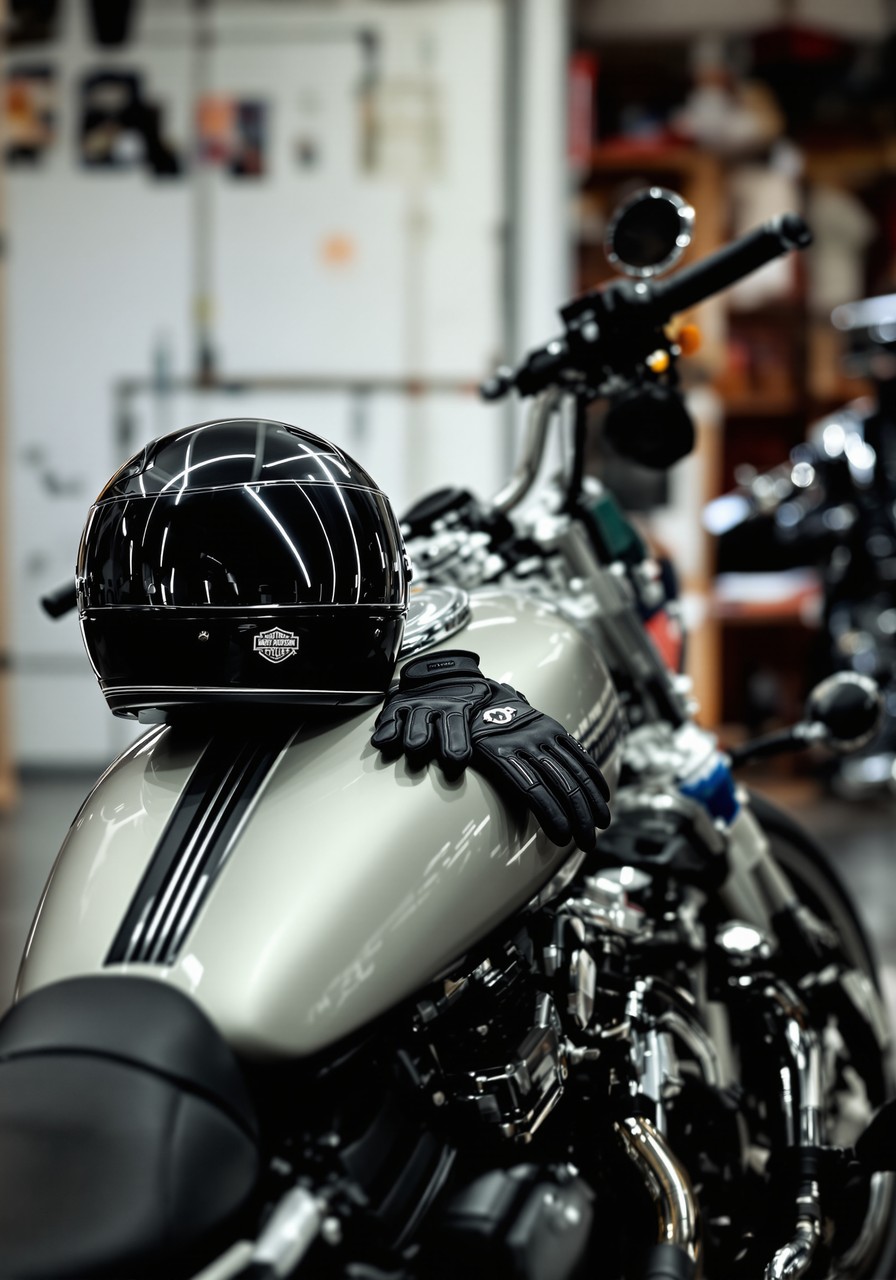
Crack your visor at stops to clear the fog, but fix the real problem with an anti fog setup before the wet season. #RideNationFL #RiderTips #FloridaHeat
Safety & FL Law
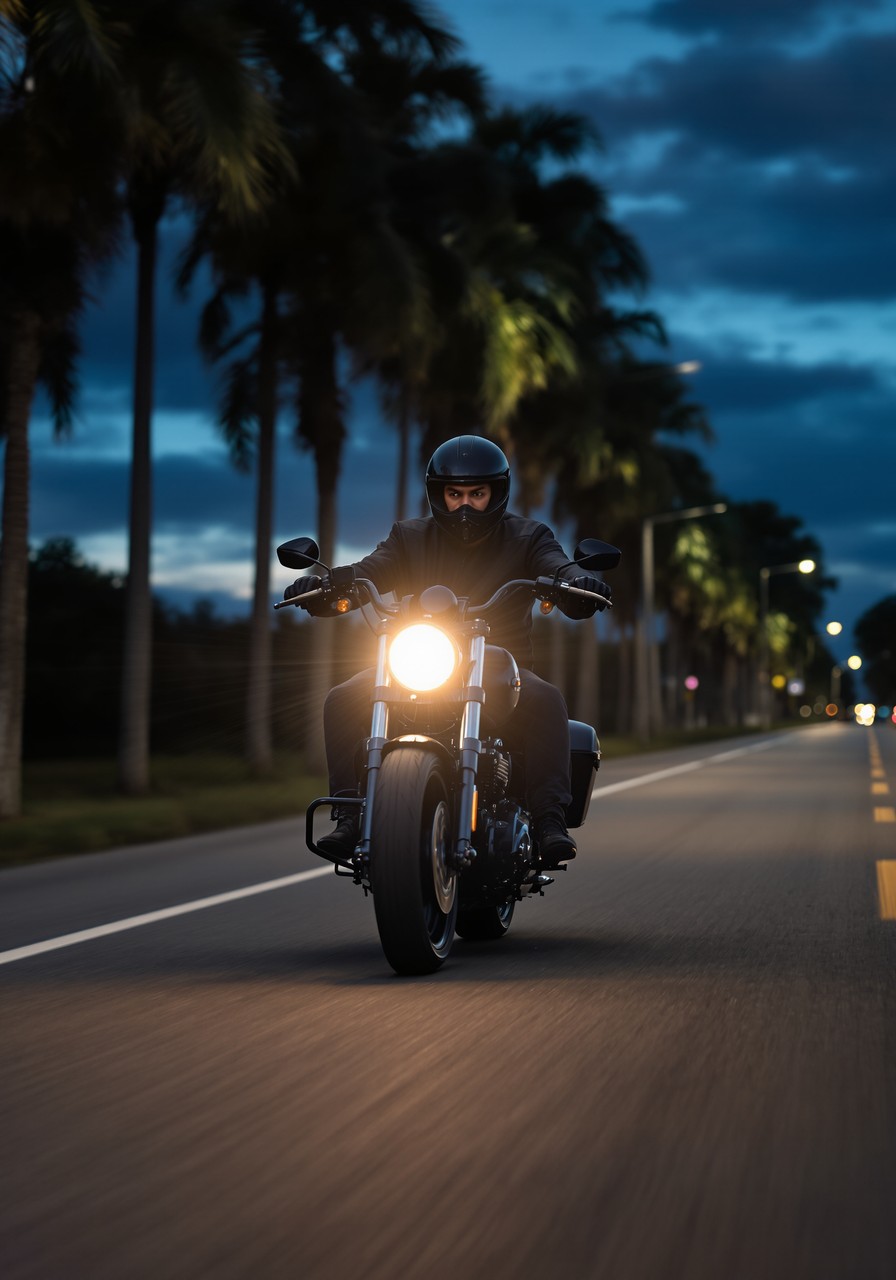
Fresh Florida law you should know: cross 51 percent fault and you recover nothing. That is why how a crash is written up matters so much. Confused about your case? Jason Melton, 352-666-6666. #RideNationFL #FloridaLaw #KnowYourRights
Engagement
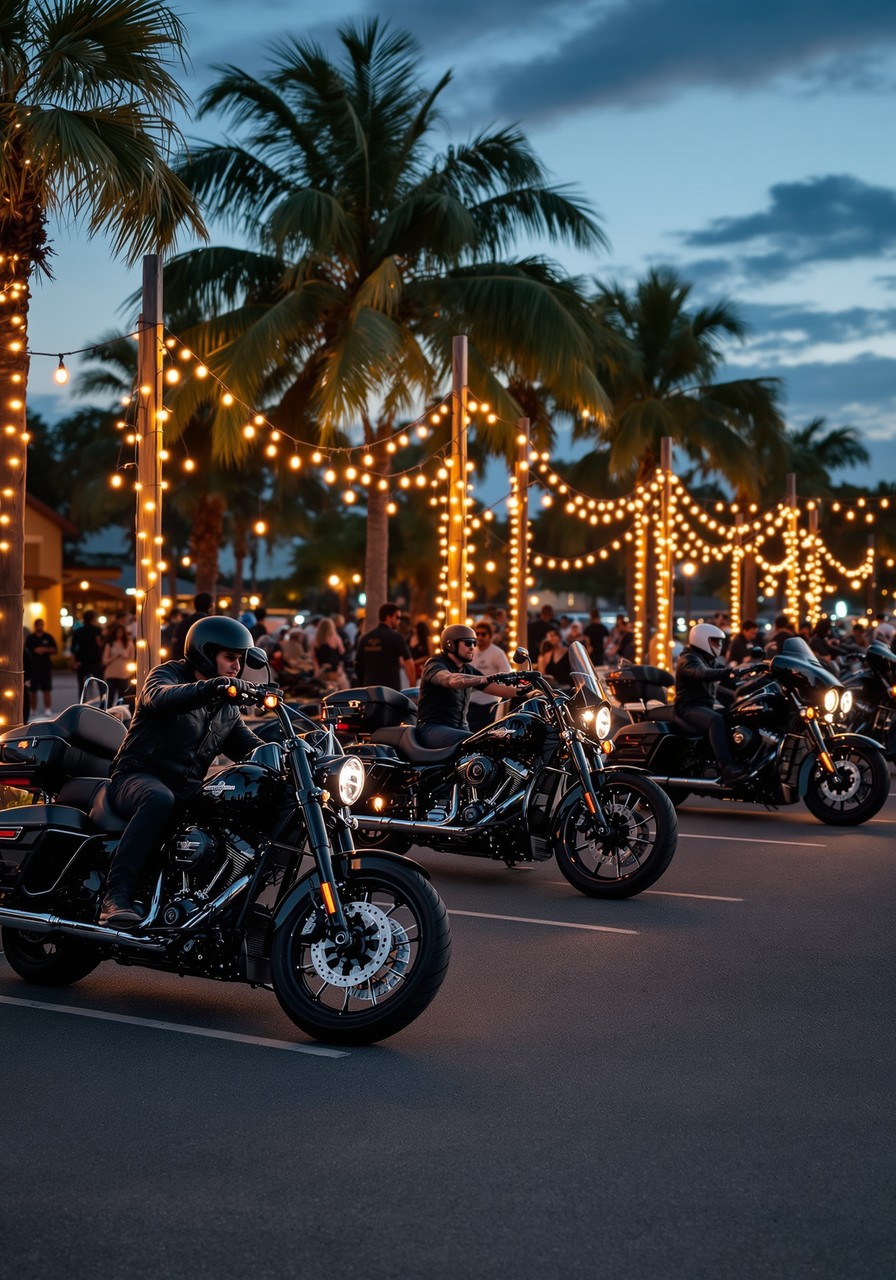
What's the longest single day ride you've done in Florida? Miles in the comments. #RideNationFL #FloridaRiders #GulfCoast
Giveaway & Countdown
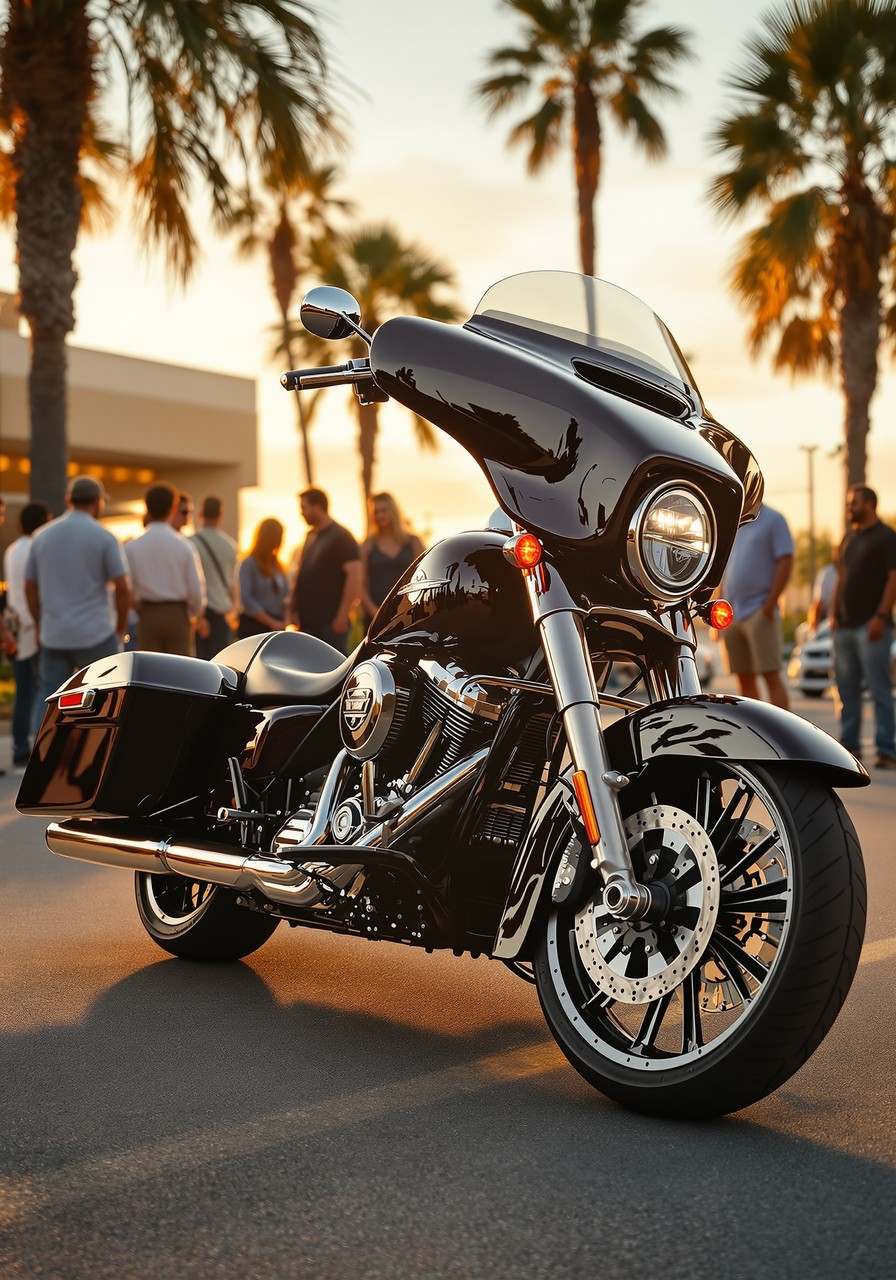
Tag a rider who missed the last one. Round two is coming and you will both want in. Watch this page for the entry link. #RideNationFL #20kGiveaway #TampaBay
Local FL & Rides
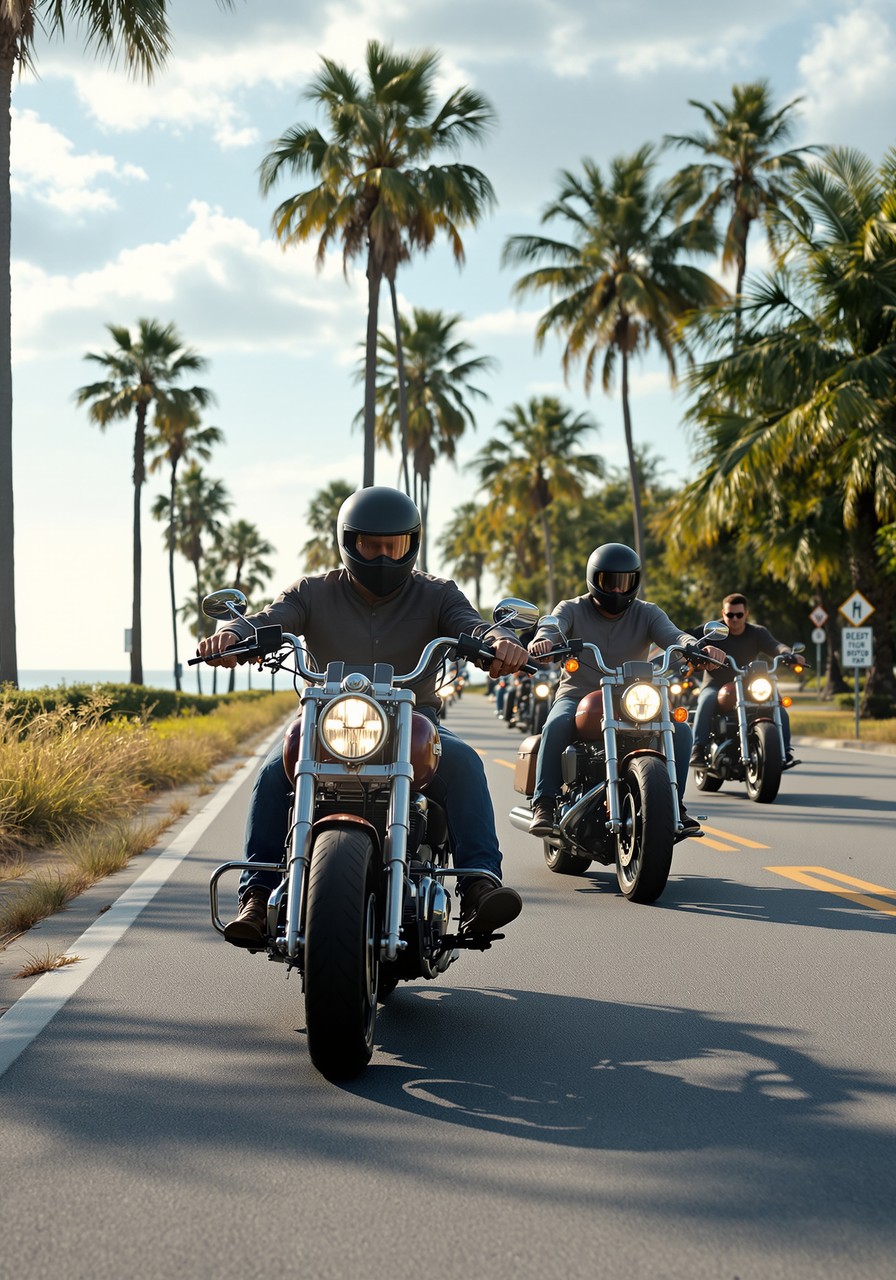
US-19 north keeps opening up the farther you go. Past the spring towns it gets quiet and the Nature Coast really shows itself. #RideNationFL #NatureCoast #GulfCoast
Gear & New Iron
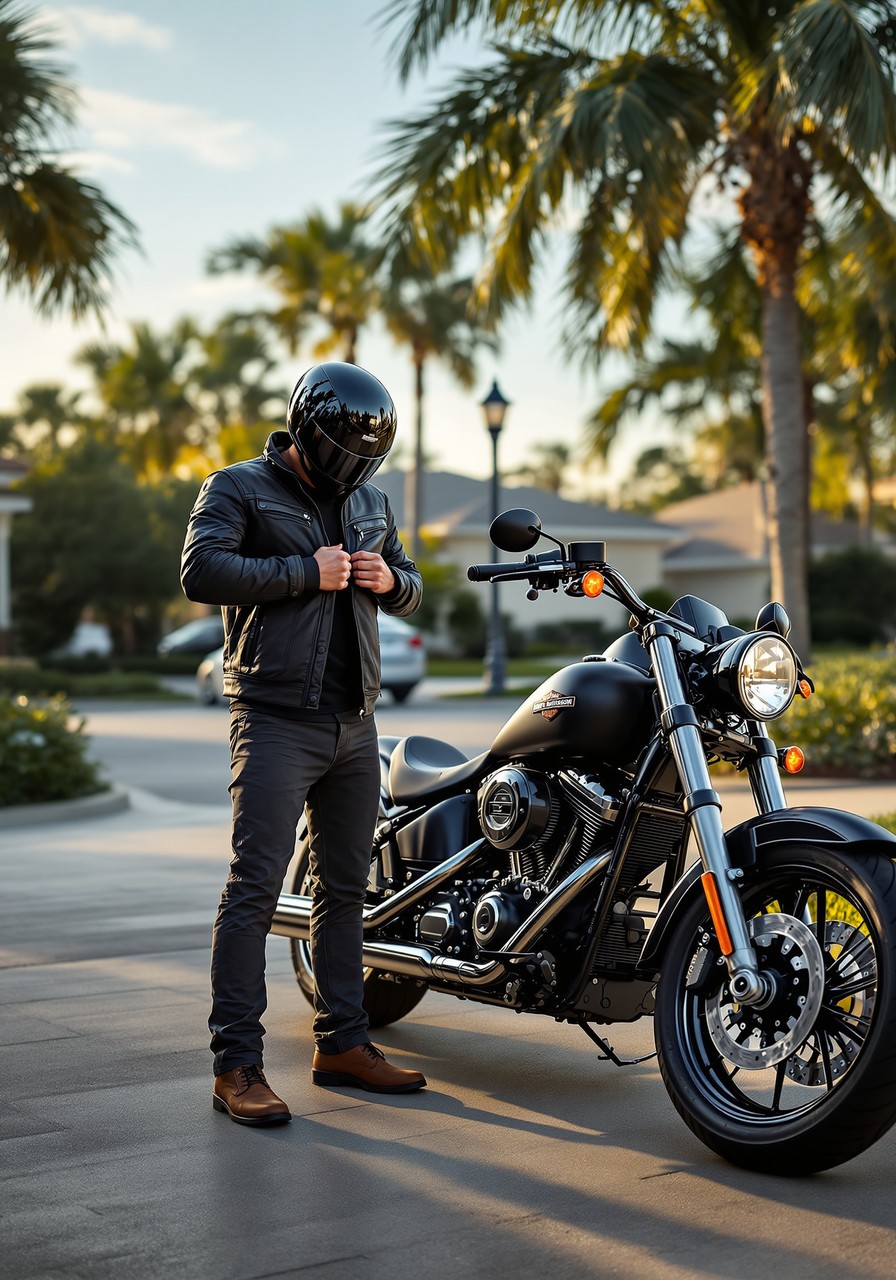
A back protector is the piece most riders skip and wish they had. Slide a CE rated insert into your jacket and forget it is there. #RideNationFL #GearUp #ATGATT
Safety & FL Law
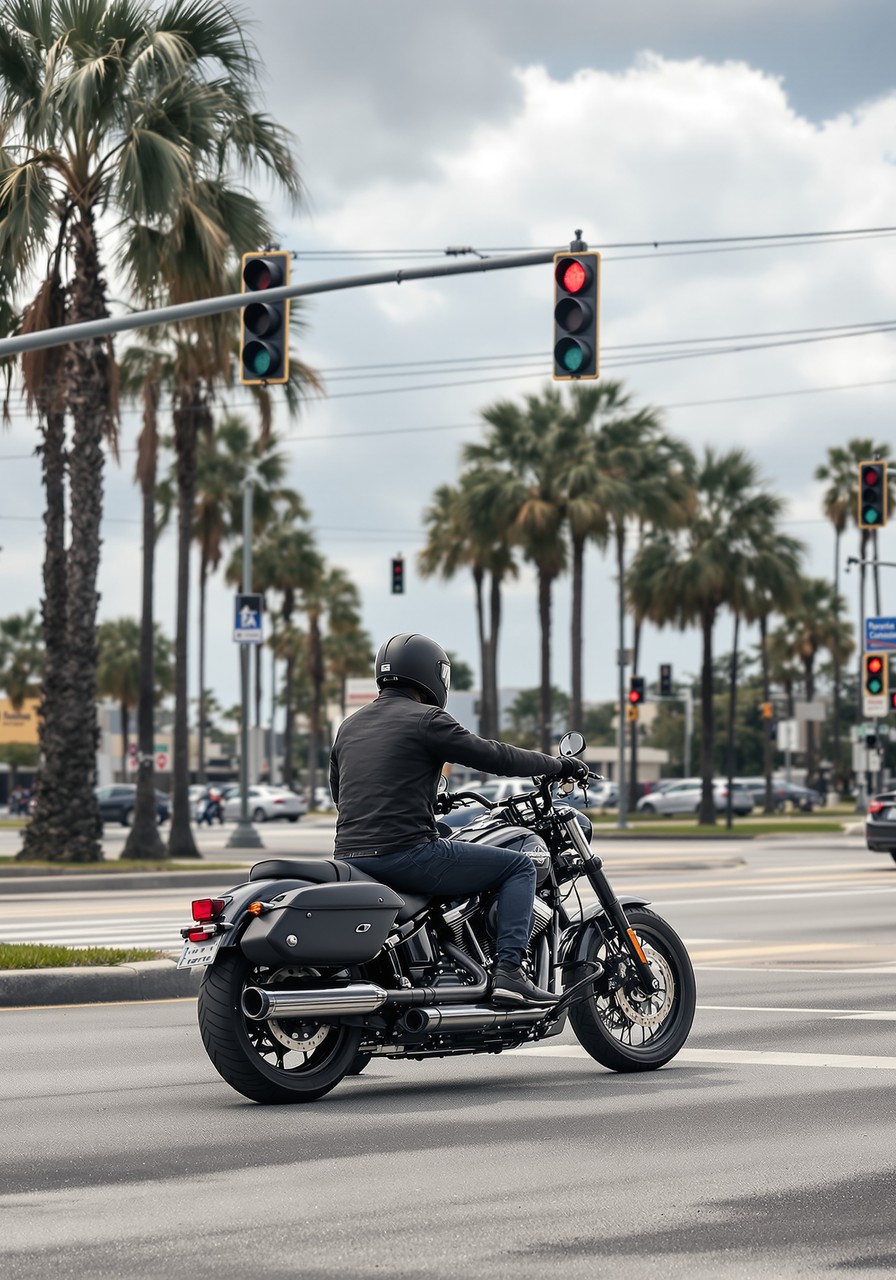
Wet season safety. Florida downpours cut traction and hide you from drivers at the same time. Slow down, brighten up, back off the car ahead. Hurt in the rain? Call Whittel & Melton, 352-666-6666. #RideNationFL #RiderSafety #FloridaRiders
Engagement
This or that: back roads all day, or open highway with the throttle happy? #RideNationFL #TwoWheels #NatureCoast
Giveaway & Countdown
Still dreaming about that bike you would buy with the winnings? Keep dreaming, because another giveaway is on the way. Stay tuned. Been in a wreck? Whittel & Melton, 352-666-6666. #RideNationFL #MotorcycleGiveaway #FreeToEnter
Local FL & Rides
Courtney Campbell bike traffic picks up in season. Give the group room, ride your own pace, and let the causeway breathe. #RideNationFL #TampaBay #GulfCoast
Gear & New Iron
Reflective panels and tape turn you visible under Florida streetlights. Add a strip to your helmet and bag while you are at it. #RideNationFL #GearUp #RiderTips
Safety & FL Law
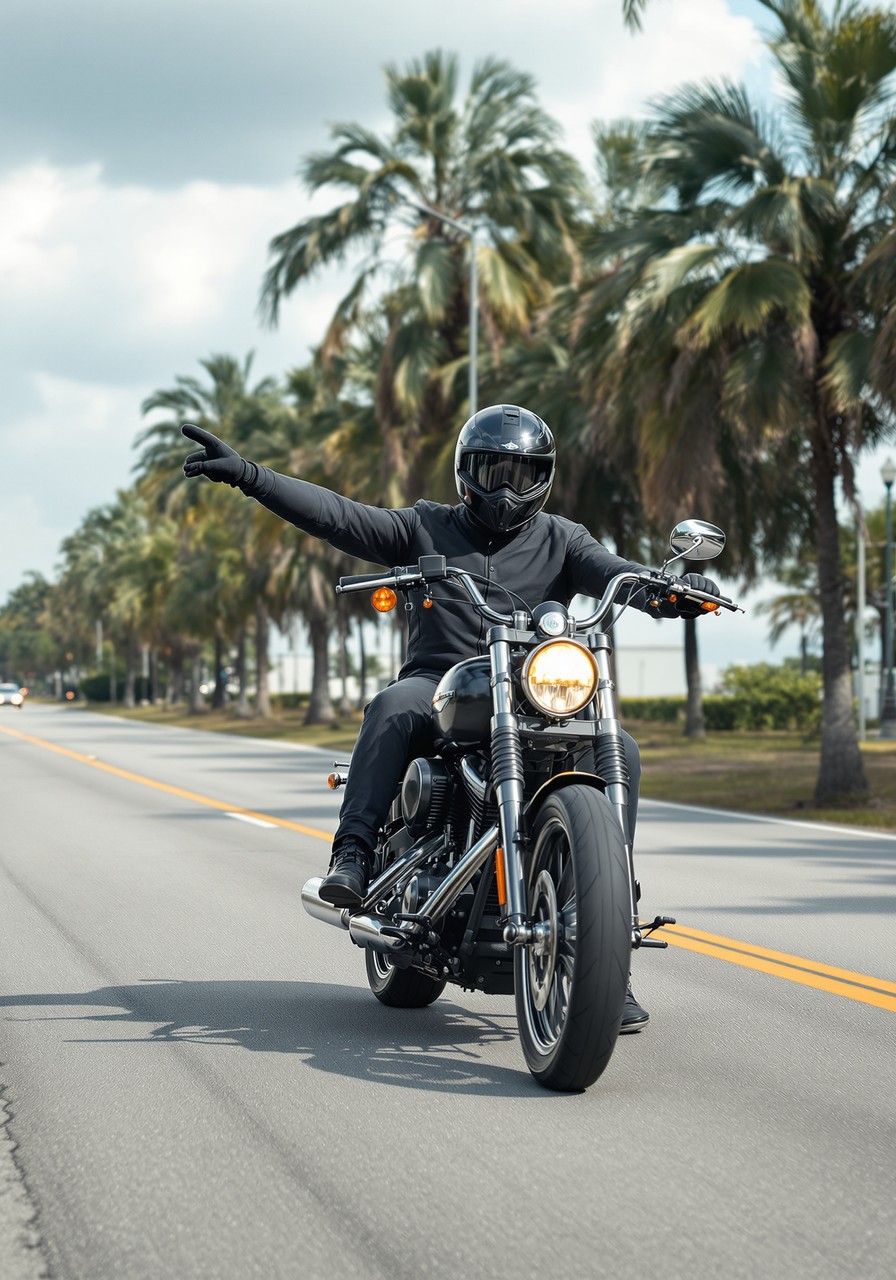
Your best insurance on a Florida bike is the coverage you buy before the crash. No PIP means UM/UIM and good health coverage are on you. Not sure what you have? Ask Jason Melton, 352-666-6666. #RideNationFL #UninsuredMotorist #KnowYourRights
Engagement
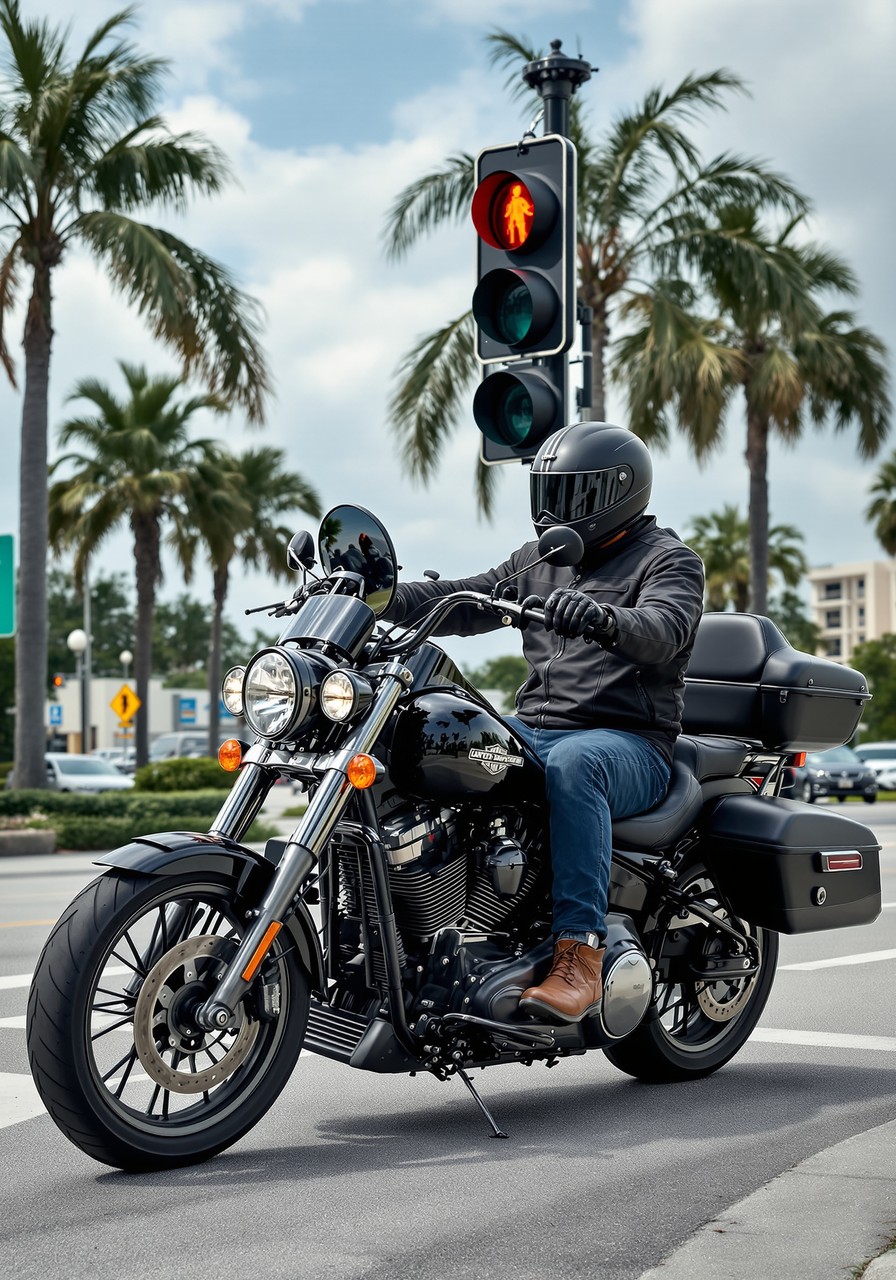
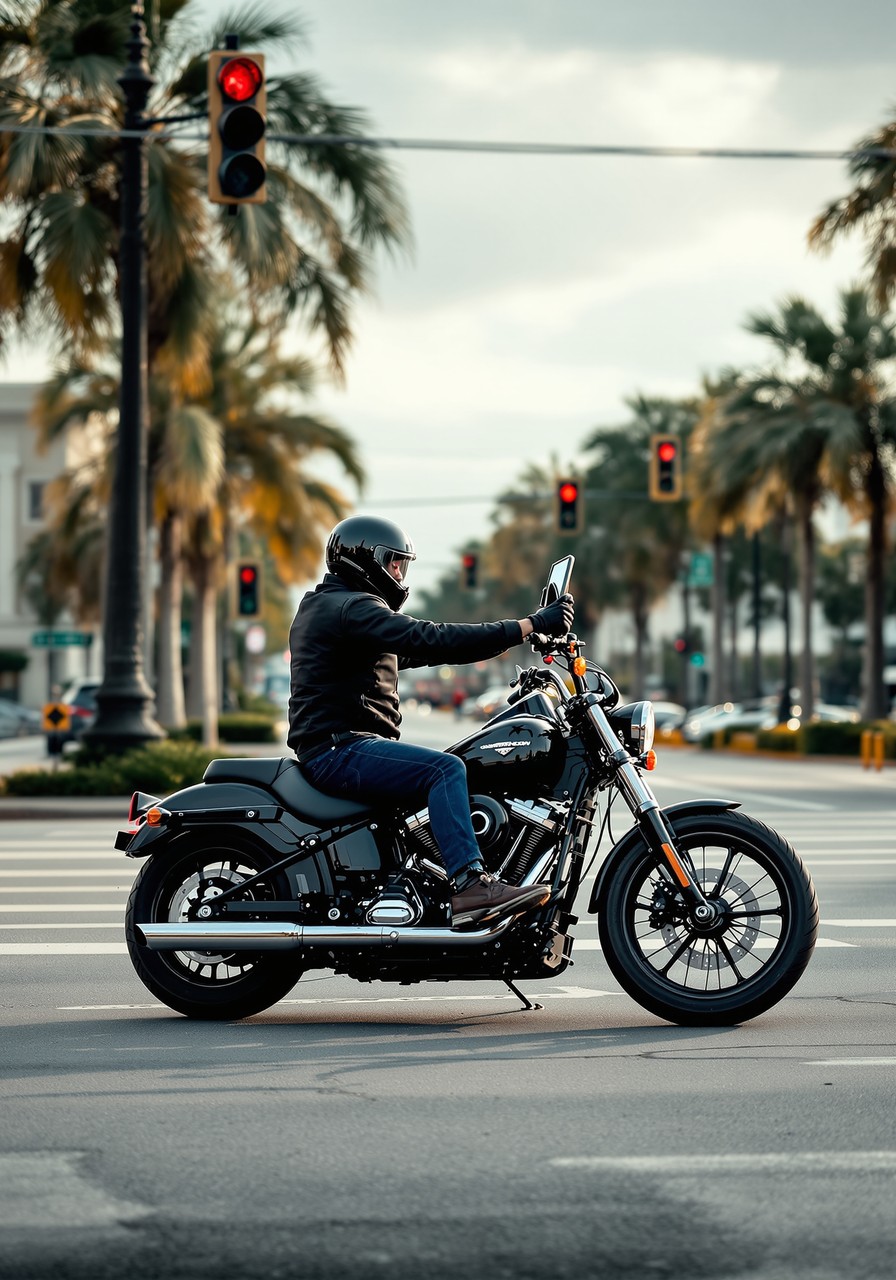
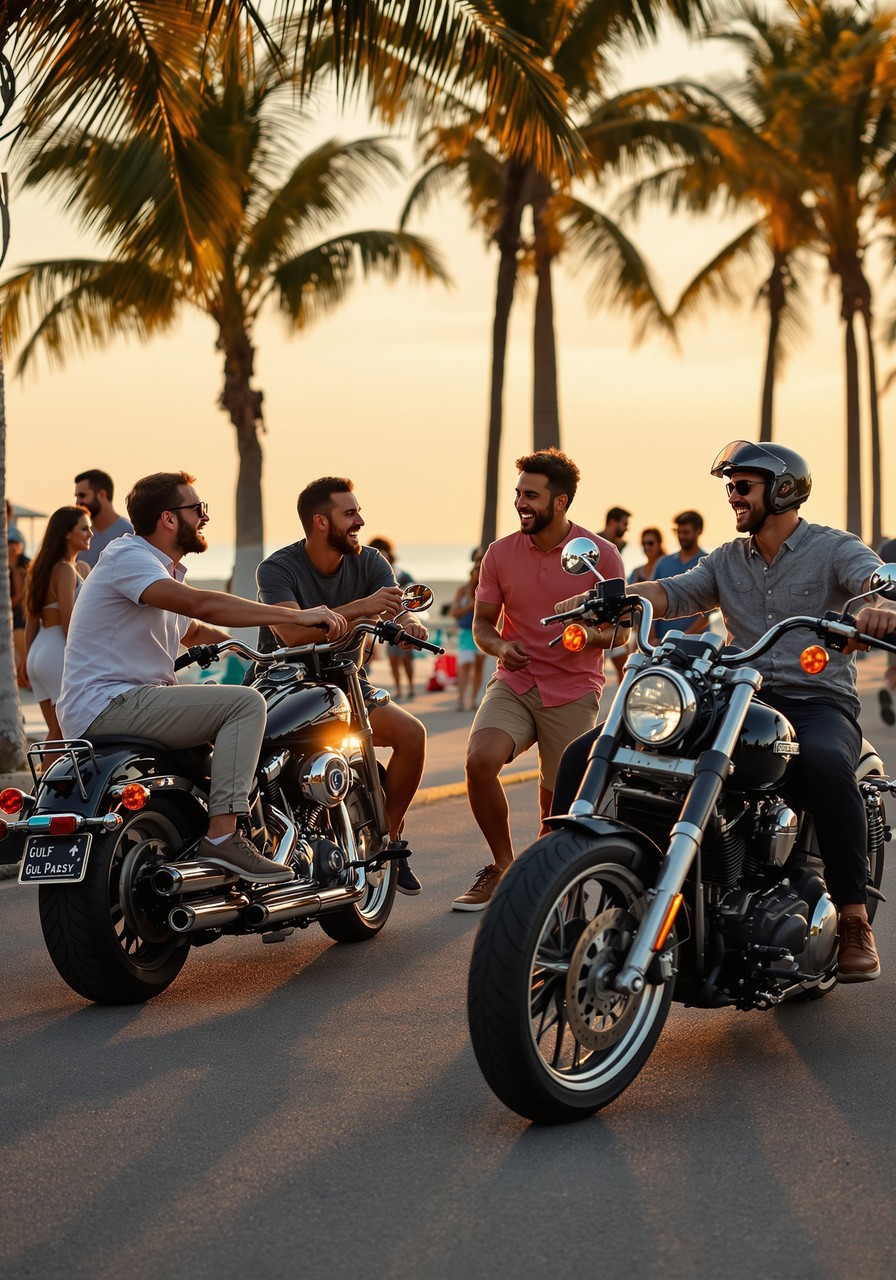
Caption this: December, 72 degrees, palm trees, you at a red light grinning. What do you say? #RideNationFL #Florida #TampaBay
Giveaway & Countdown
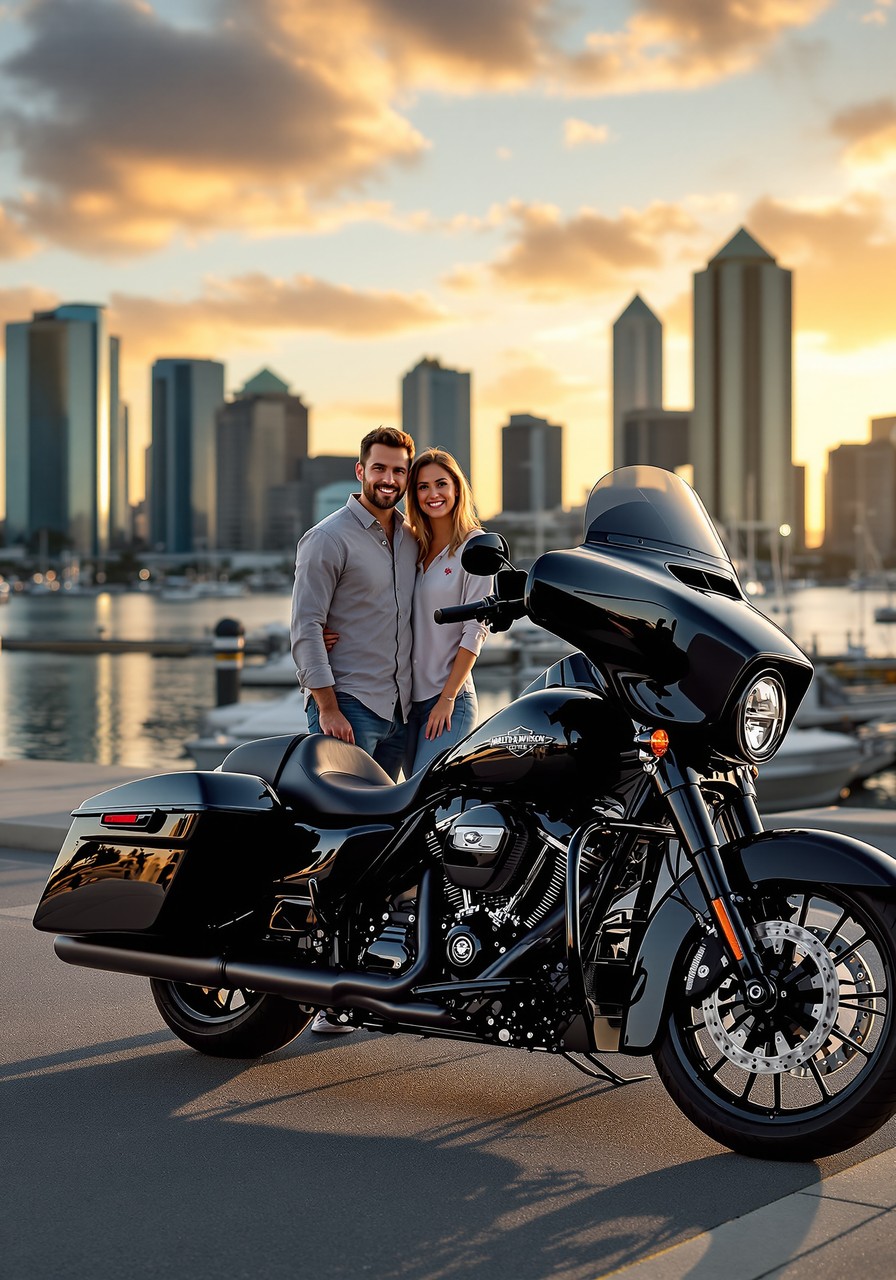
The giveaways do not stop. If you rode with us this season, thank you. More chances to win are coming in the new year. Whittel & Melton, 352-666-6666. #RideNationFL #BikersWin #FloridaRiders
Local FL & Rides
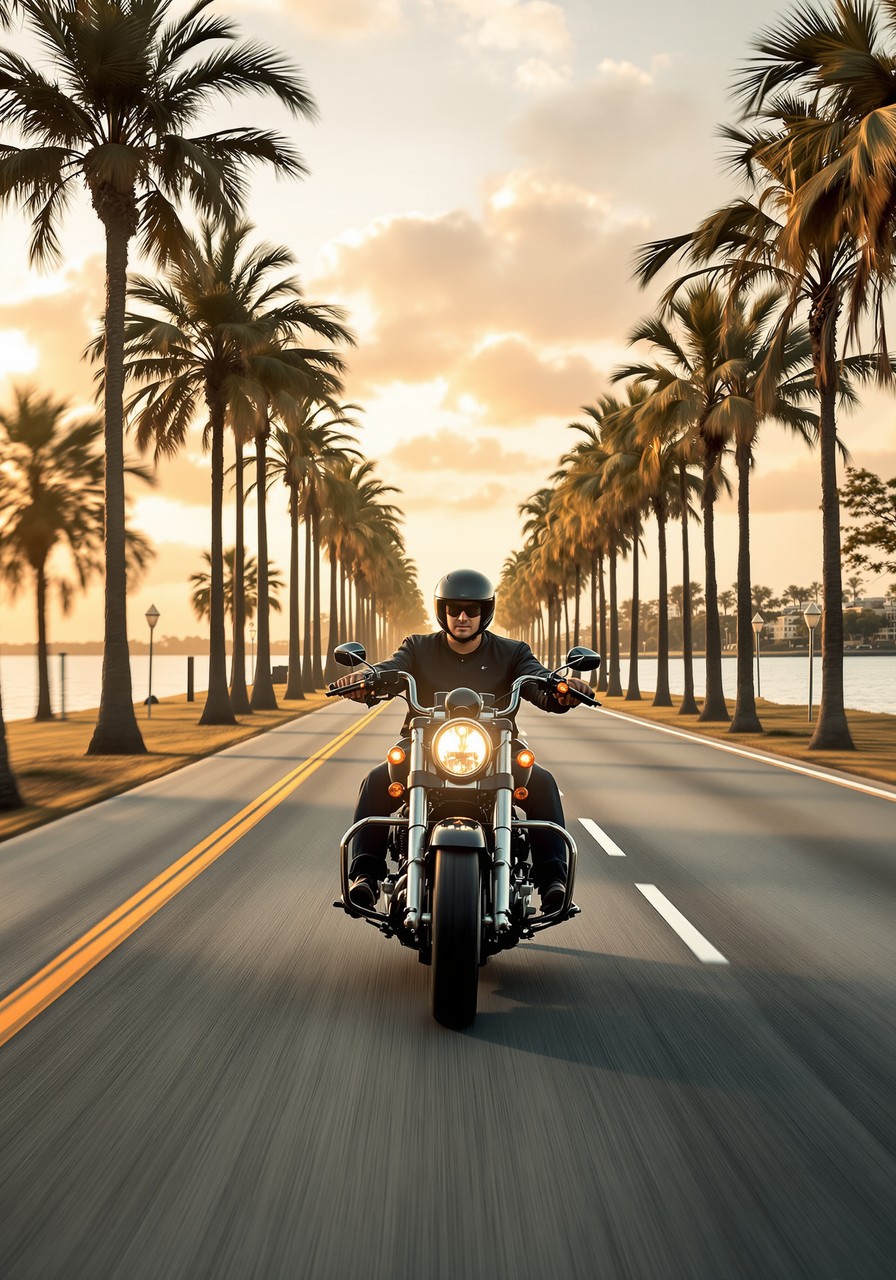
Cool dry January is prime touring weather. Point the bike up the Suncoast Parkway and make a day of the Nature Coast. #RideNationFL #Suncoast #NatureCoast
Gear & New Iron
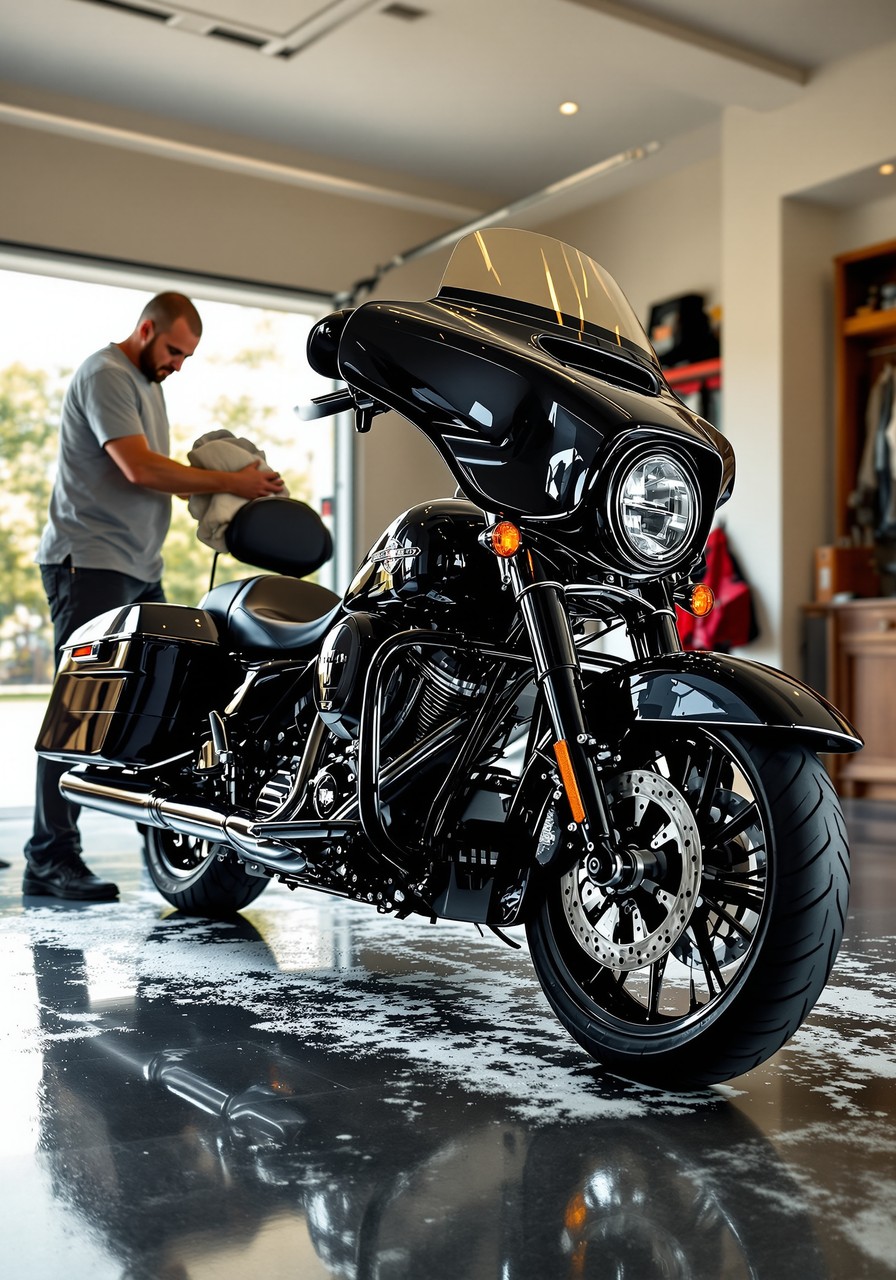
New iron season is here and the middleweight nakeds keep getting better. Test ride before you trade, and factor Florida heat into that seat time. #RideNationFL #NewIron #BikerLife
Safety & FL Law
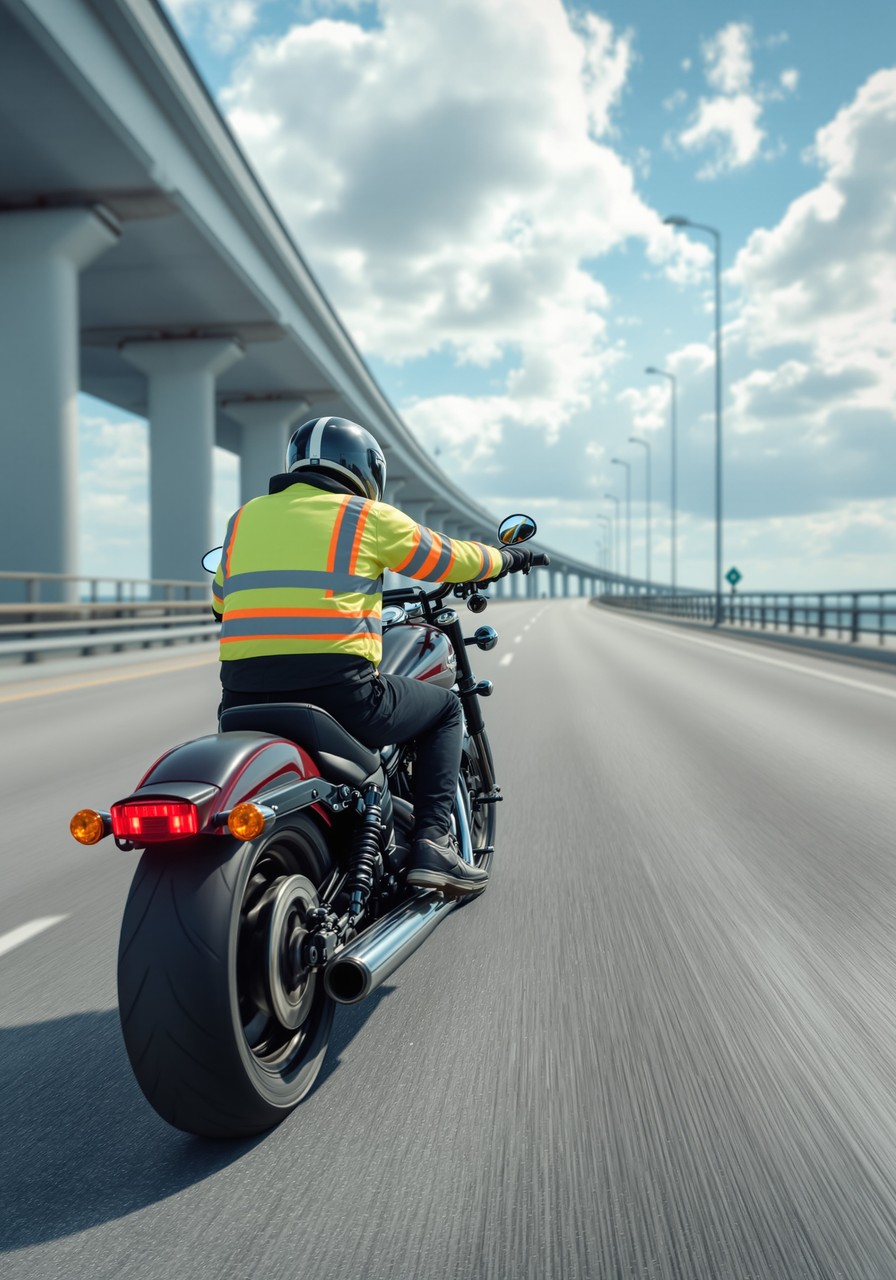
Lane splitting is legal in some states, but not Florida. Filtering is not either. Hold your lane and ride your own ride. Got hurt by a driver who did not see you? Whittel & Melton, 352-666-6666. #RideNationFL #FloridaLaw #MotorcycleSafety
Engagement
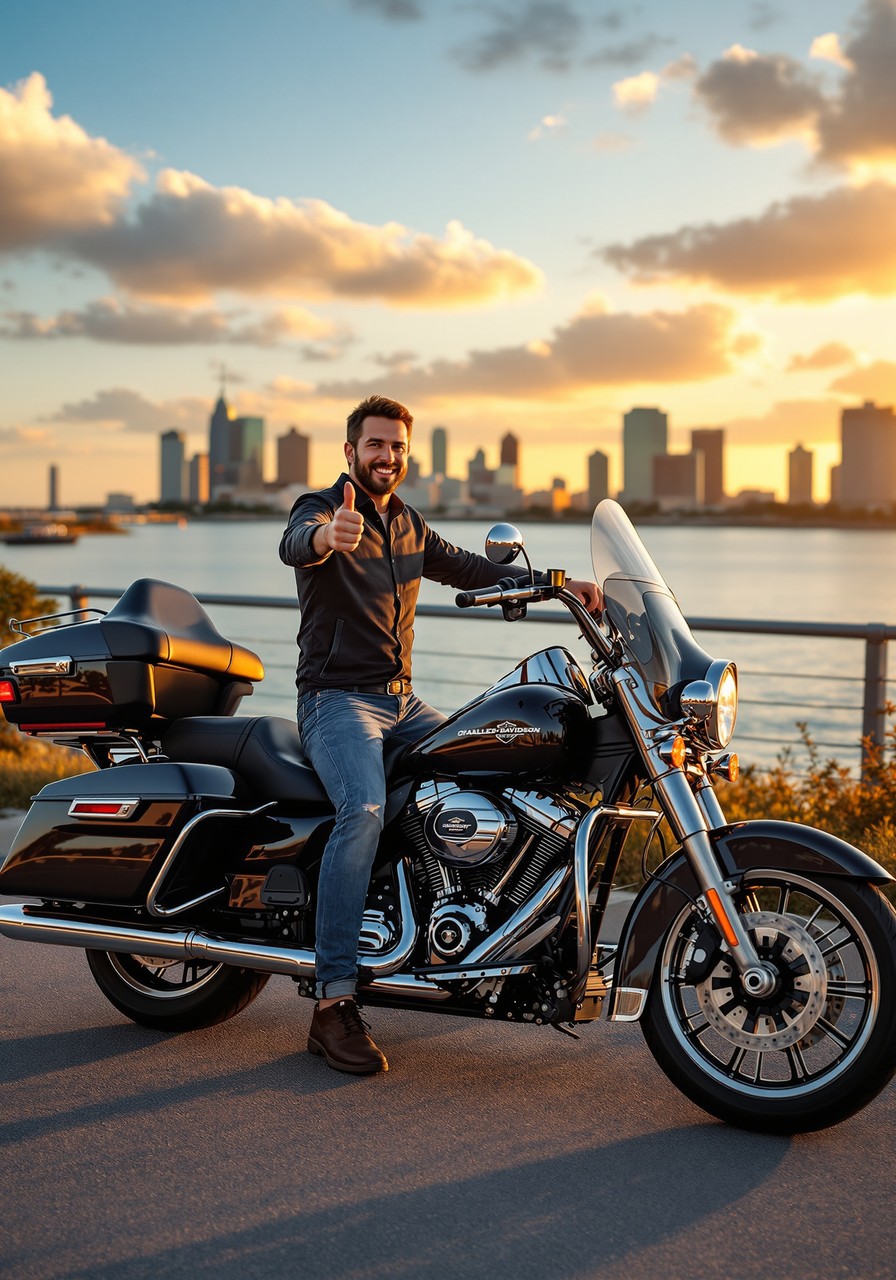
Finish the sentence: the best part of riding in the Tampa Bay area is ______. #RideNationFL #TampaBay #FloridaRiders
Giveaway & Countdown
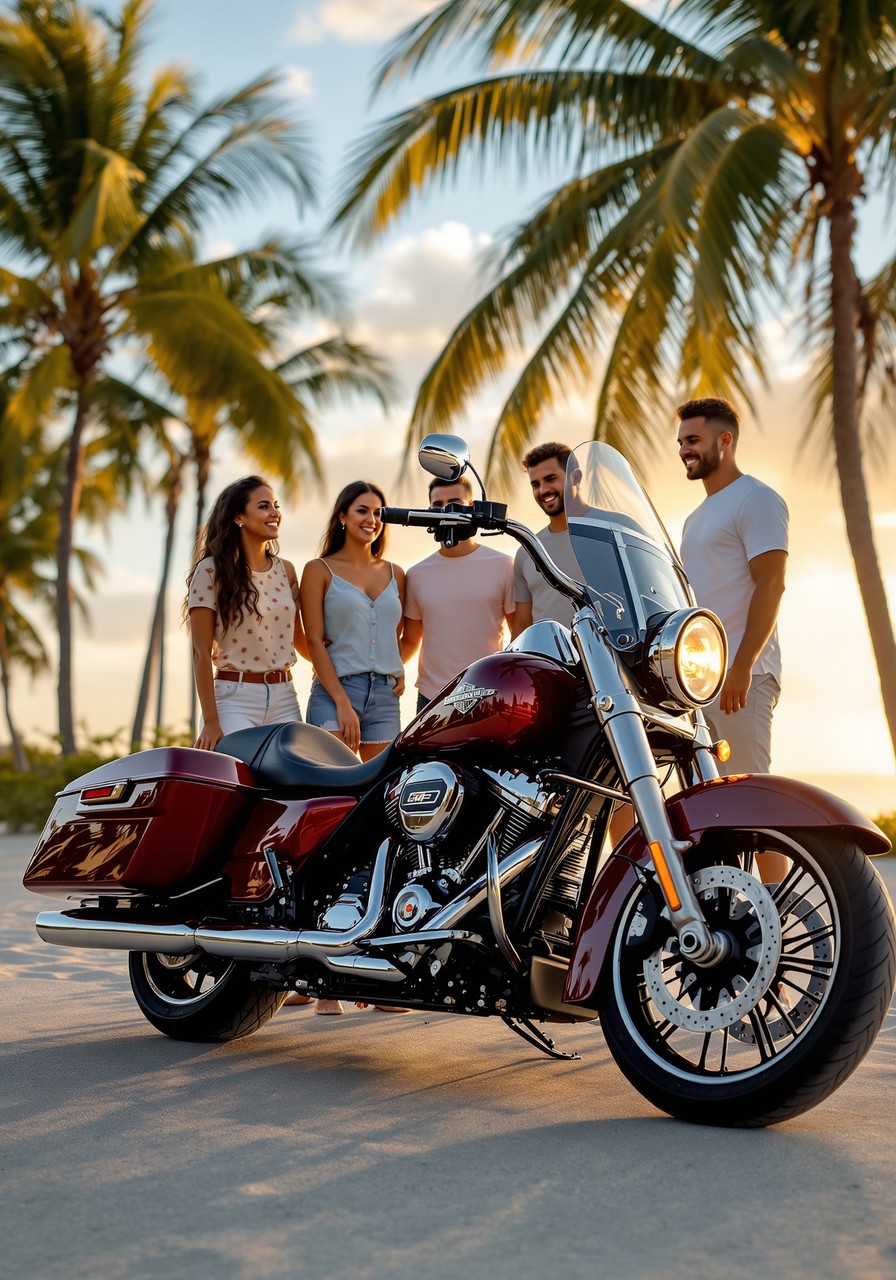
Winter riding season, and we are lining up the next big giveaway. Free to enter, riders 18 and up. Turn on notifications so you catch the link. #RideNationFL #WinABike #20kGiveaway
Local FL & Rides
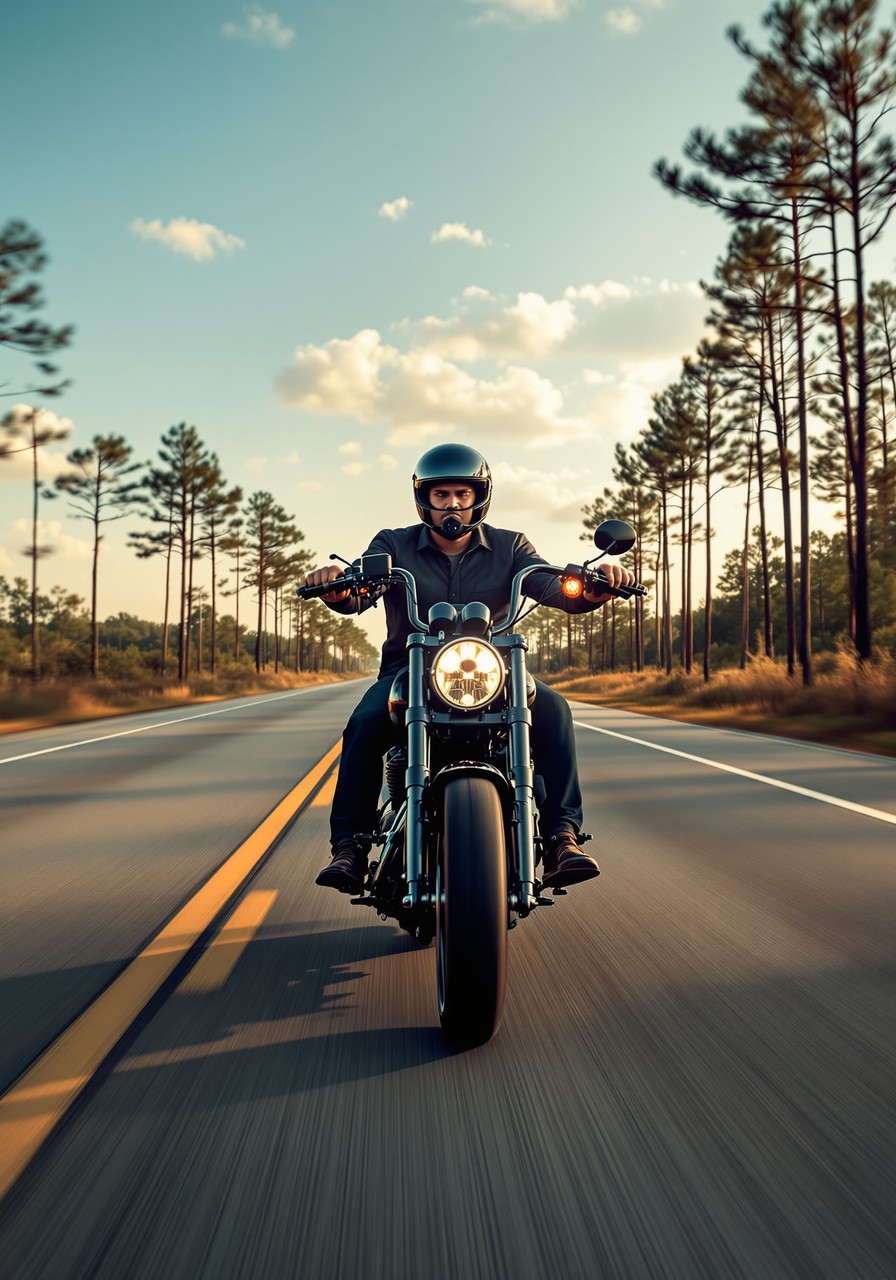
Skyway fishing pier makes a good turnaround. Ride the bridge, stretch at the bottom, and take the climb back over Tampa Bay. #RideNationFL #SunshineSkyway #TampaBay
Gear & New Iron
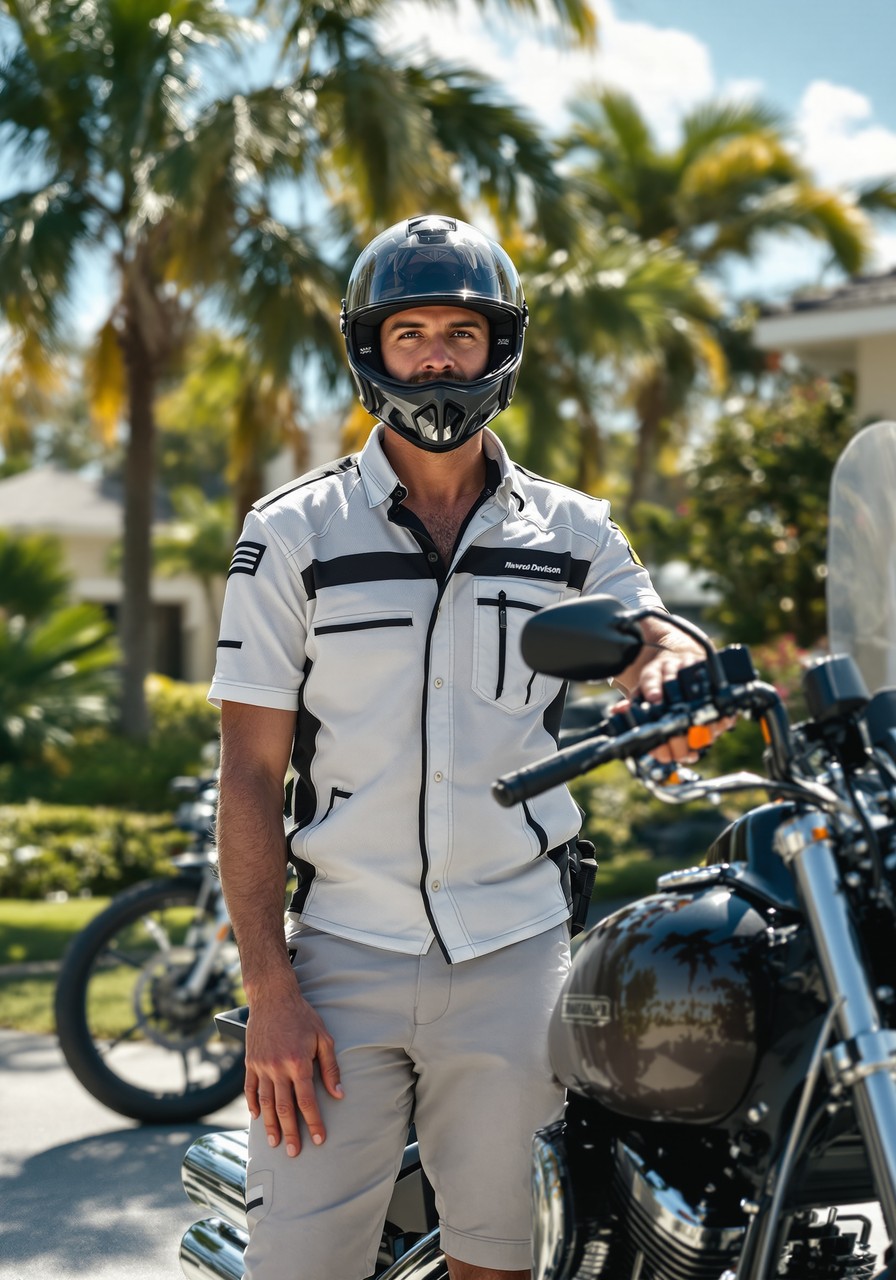
Shopping a new bike? A model with a slipper clutch and decent wind protection changes long humid rides more than another ten horsepower. #RideNationFL #NewIron #RiderTips
Safety & FL Law
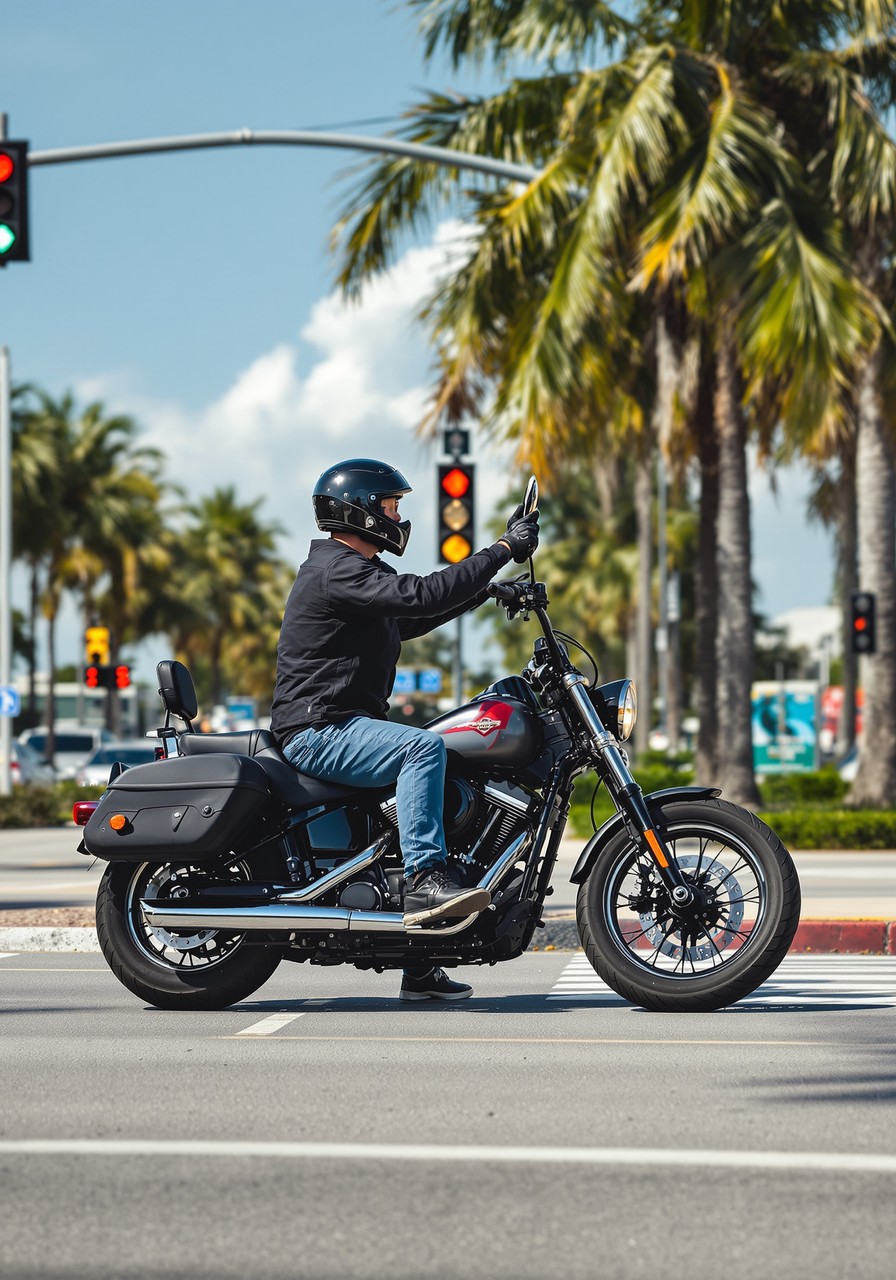
Gear is not just for looks. ATGATT gives you a real chance when a car does what cars do. Ride visible, ride protected, ride your own ride. If you go down, Jason Melton is here, 352-666-6666. #RideNationFL #ATGATT #RiderSafety
Engagement
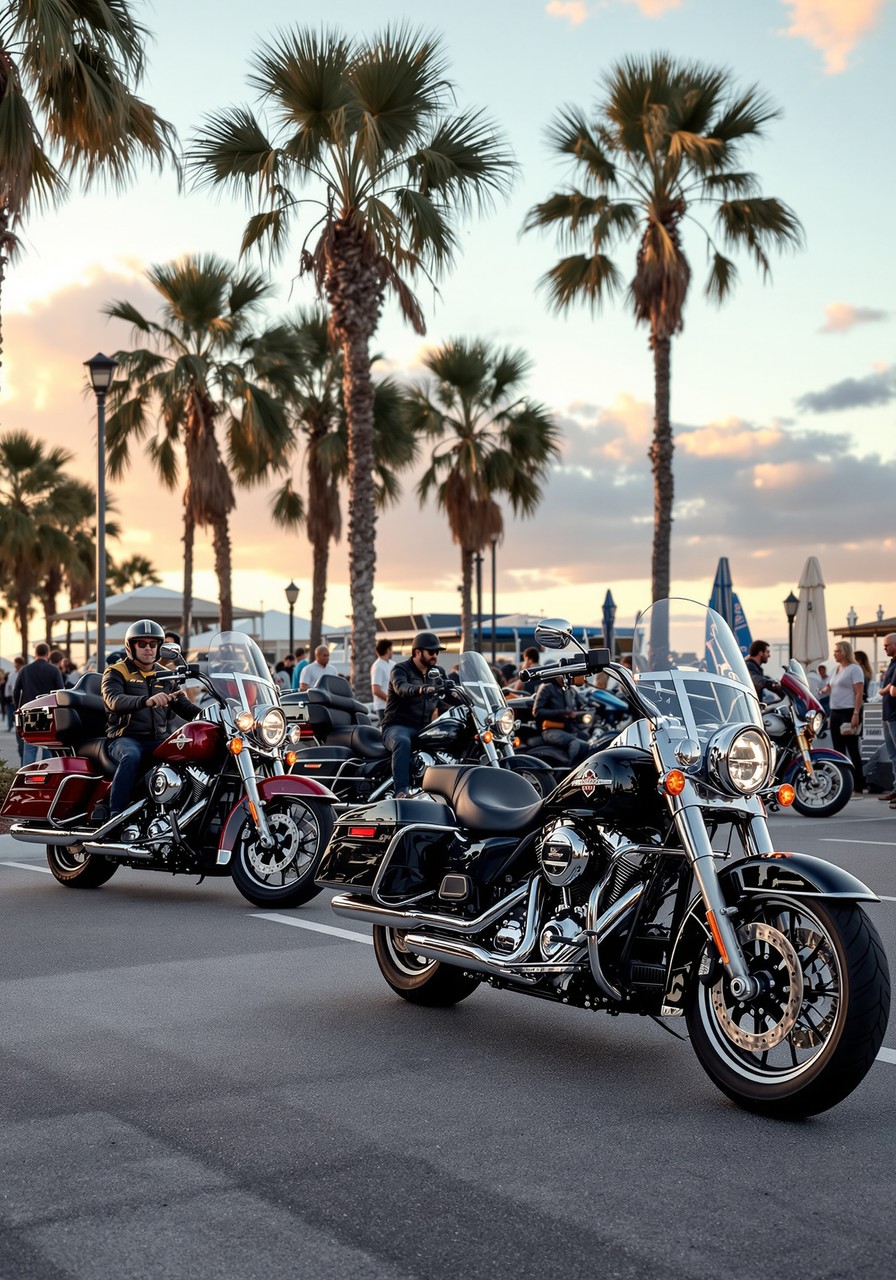
Quick one: how many bikes have you owned? Total count below, no judgment. #RideNationFL #BikerLife #TwoWheels
Giveaway & Countdown
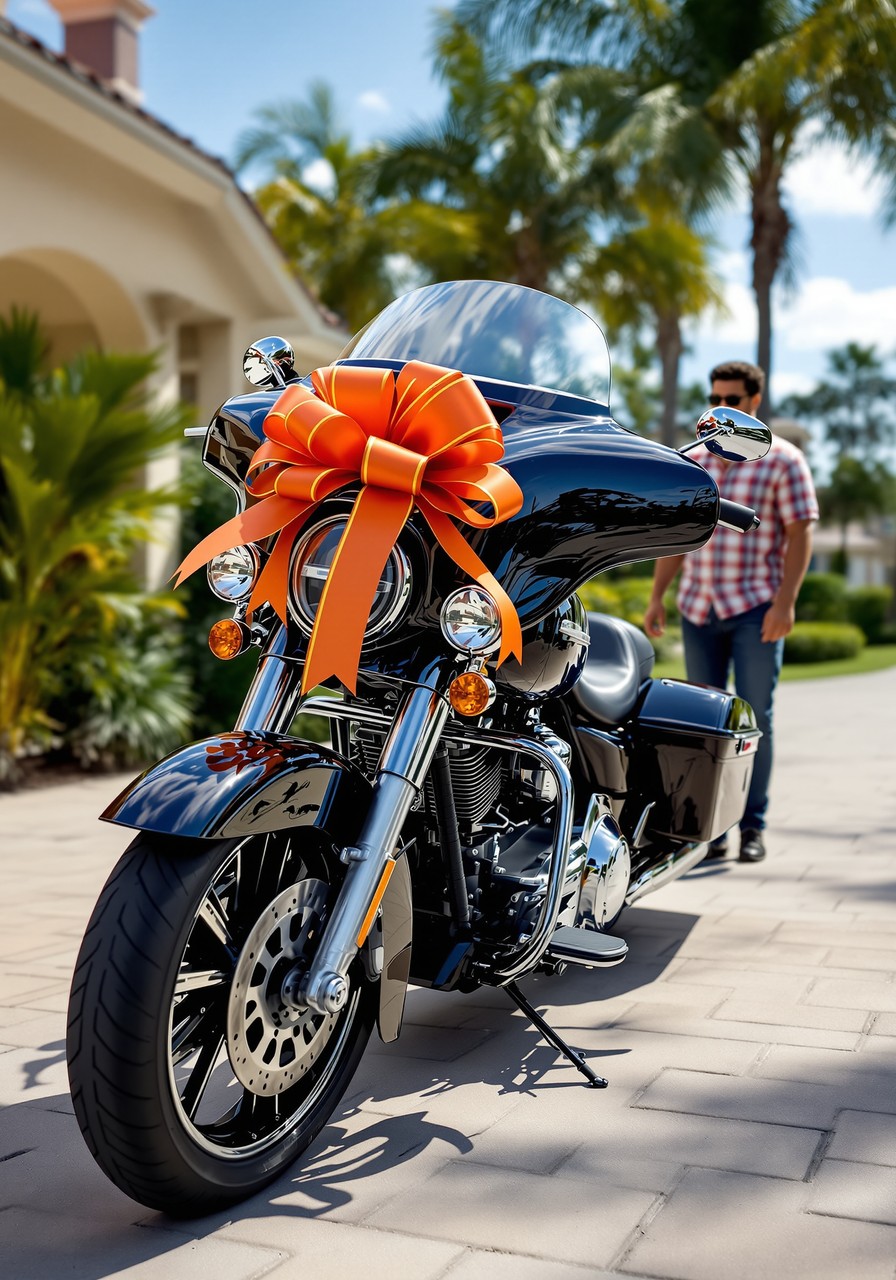
Somebody in this community is going to win big next round. It really could be you. Stay tuned for the next entry link. Whittel & Melton, 352-666-6666. #RideNationFL #MotorcycleGiveaway #TampaBay
Local FL & Rides
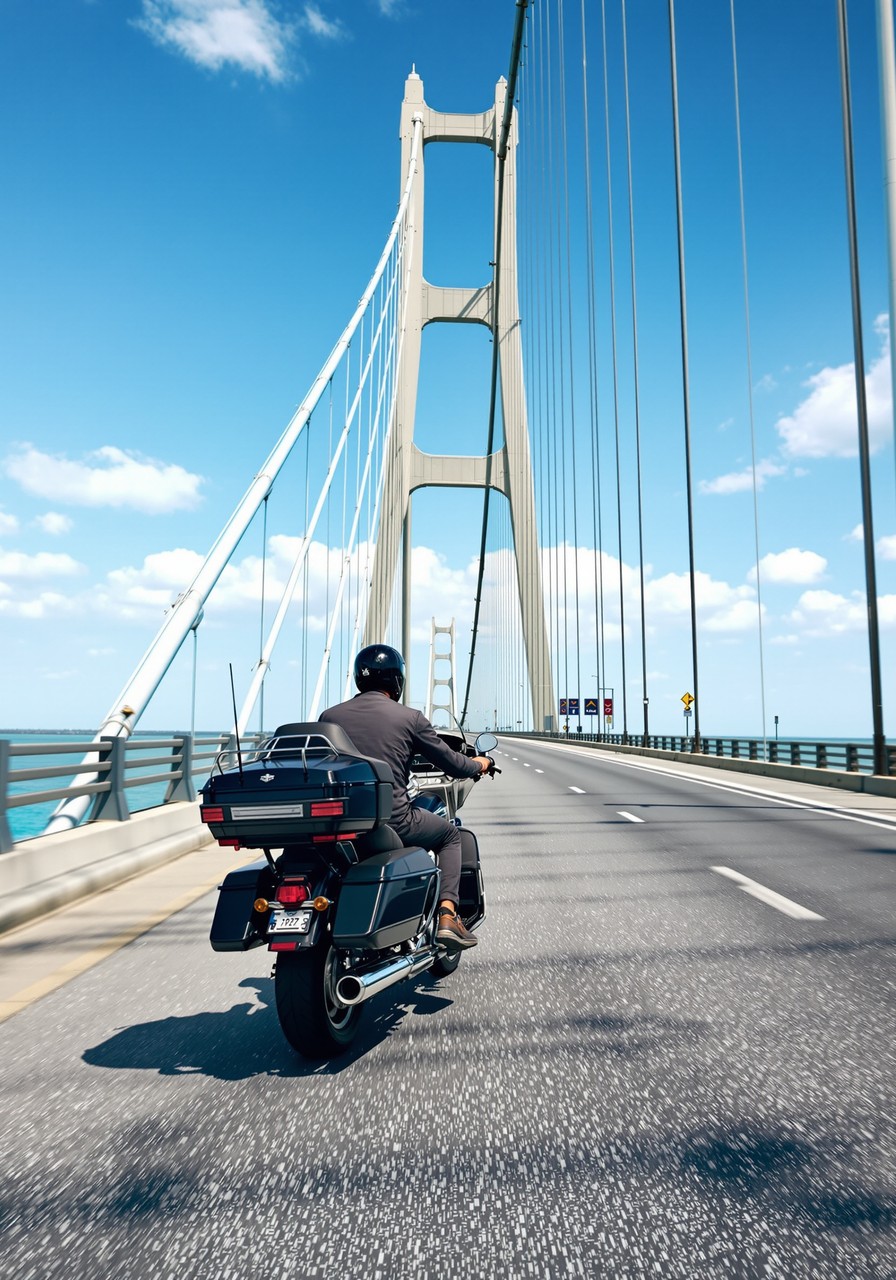
Bike Week in late February pulls everyone toward Daytona, but the ride over on the backroads is half the fun. Plan the route, not just the destination. #RideNationFL #FloridaRiders #Florida
Gear & New Iron
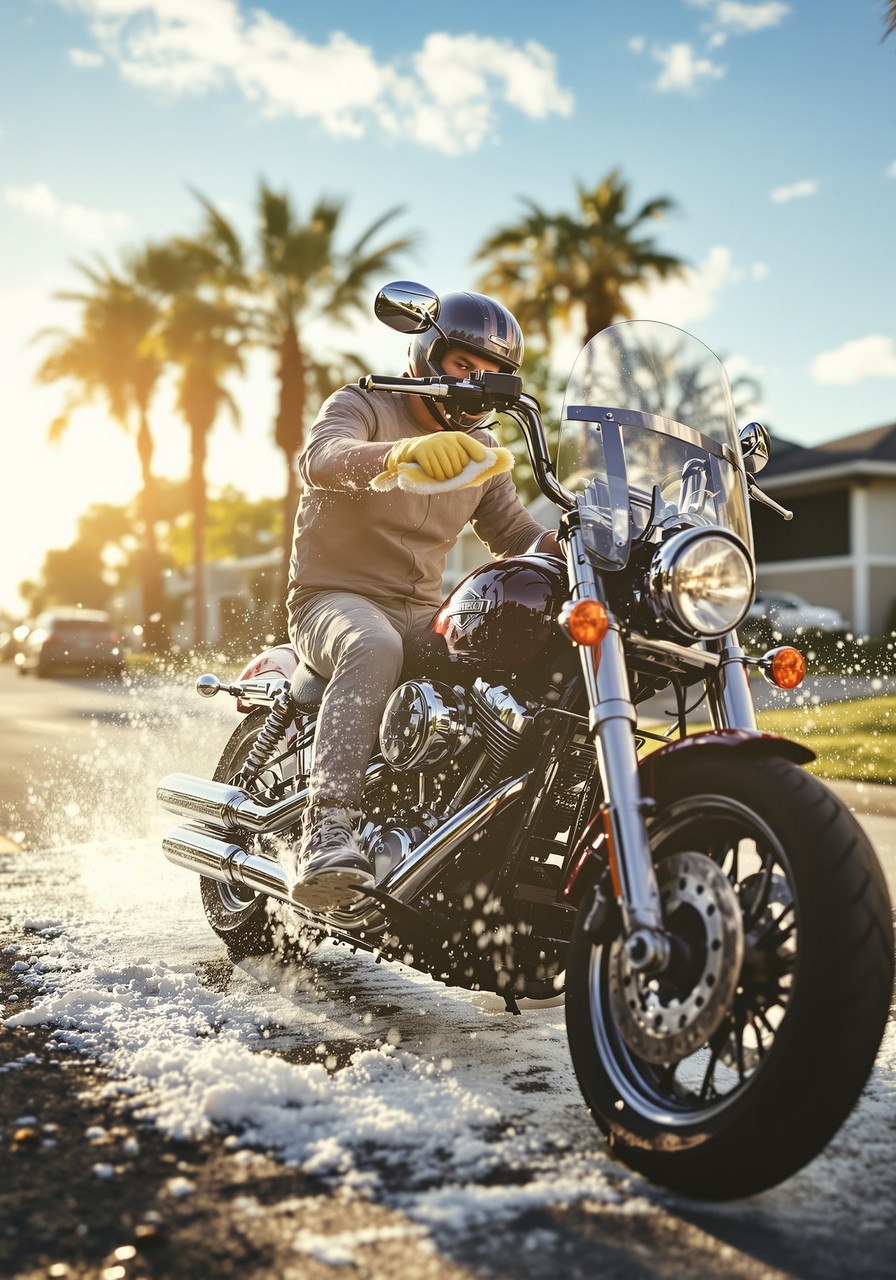
Adventure bikes are having a moment, and the upright seating and airflow suit Florida heat well. Sit on a few before you commit. #RideNationFL #NewIron #FloridaRiders
Safety & FL Law
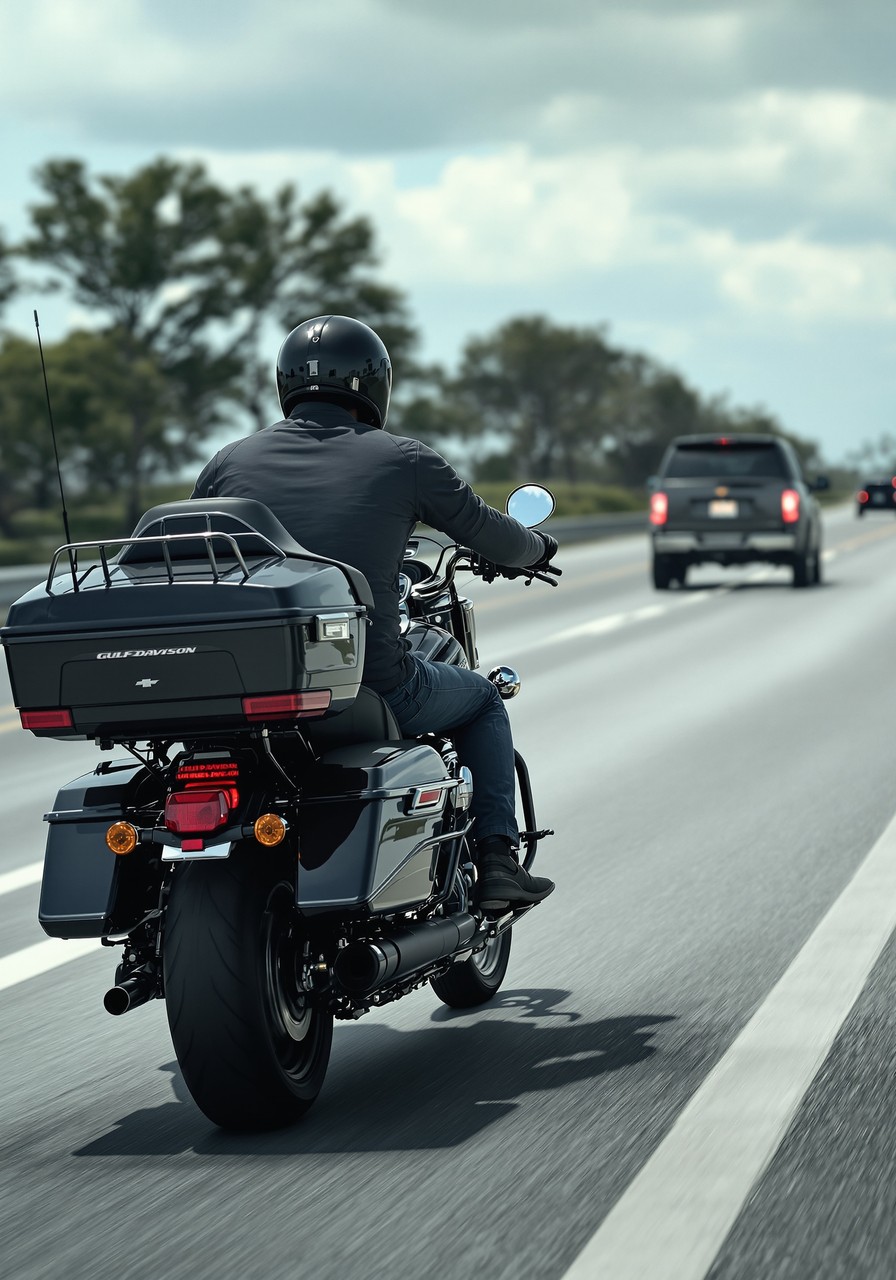
Florida truth in two lines. The driver who hits you may have zero injury coverage, and you have no PIP. UM/UIM is the fix, so check yours today. Questions? Whittel & Melton, 352-666-6666. #RideNationFL #UninsuredMotorist #FloridaLaw
Engagement
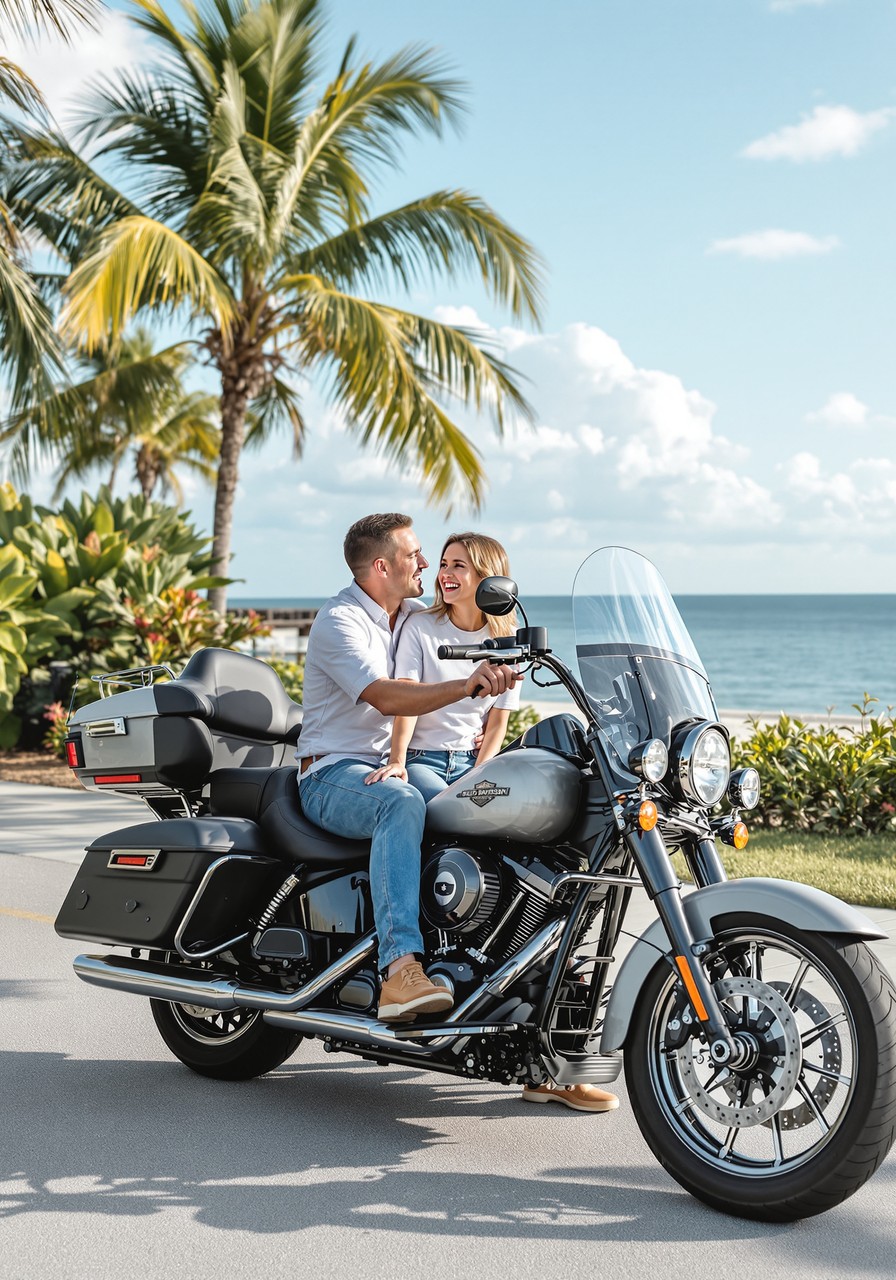
Tag a rider from up north who has no idea we ride all winter down here. #RideNationFL #FloridaRiders #RideOrDie
Giveaway & Countdown
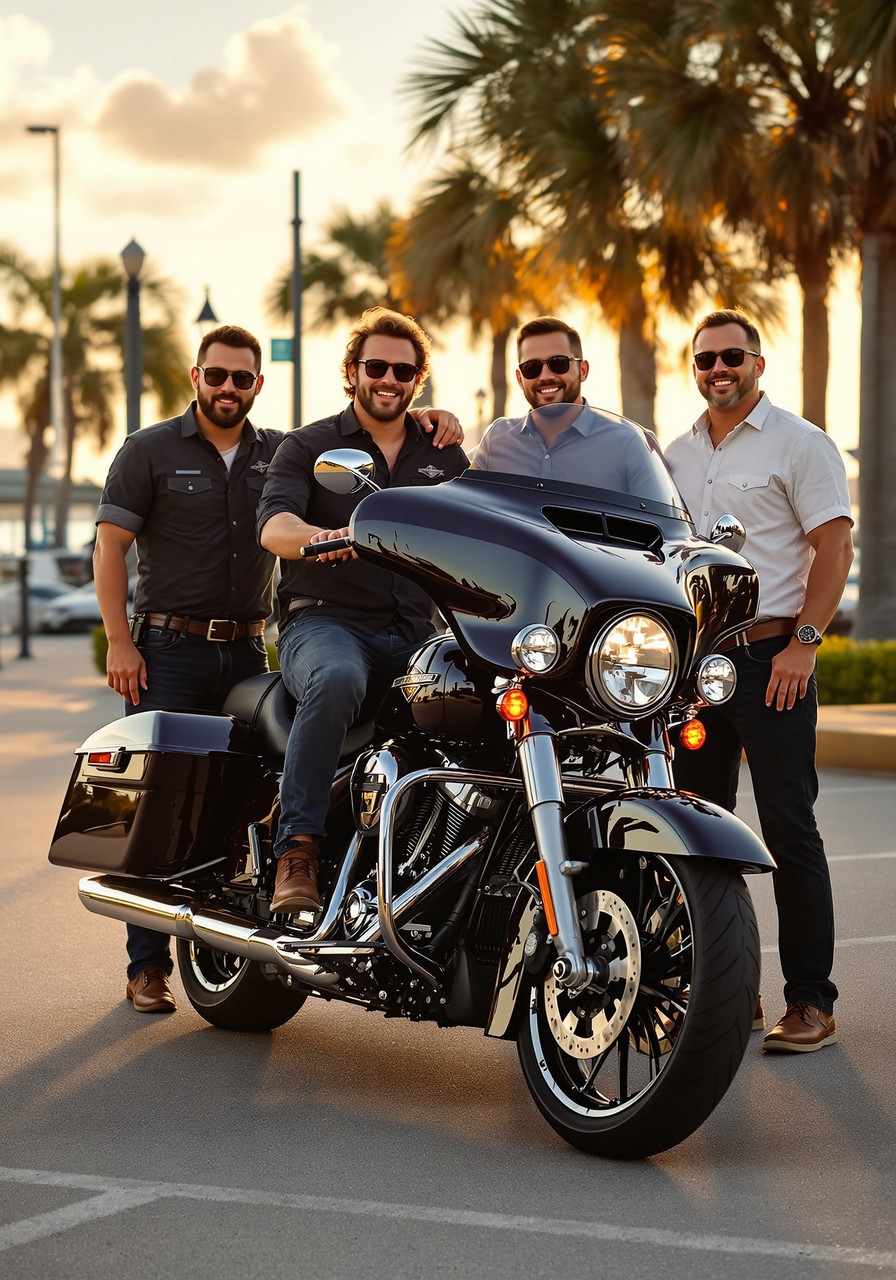
From the whole Ride Nation FL crew, thanks for an unreal giveaway season. Rest up, keep it rubber side down, and watch for what is next. #RideNationFL #BikersWin #FloridaRiders
Local FL & Rides
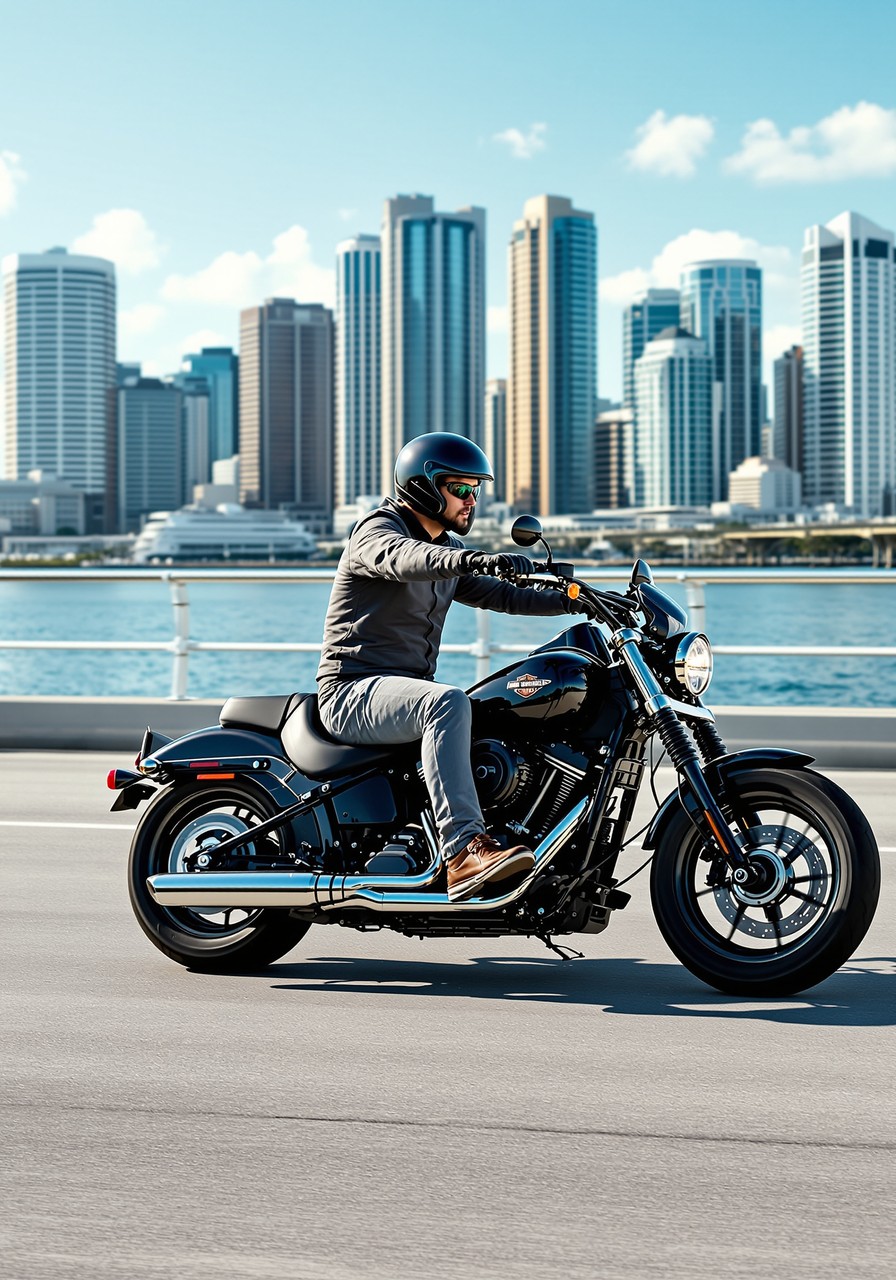
Winter is the season we earn all summer. Dry roads, cool air, and the whole Gulf Coast open from Anna Maria to the Nature Coast. Ride it while it is perfect. #RideNationFL #GulfCoast #NatureCoast
Gear & New Iron
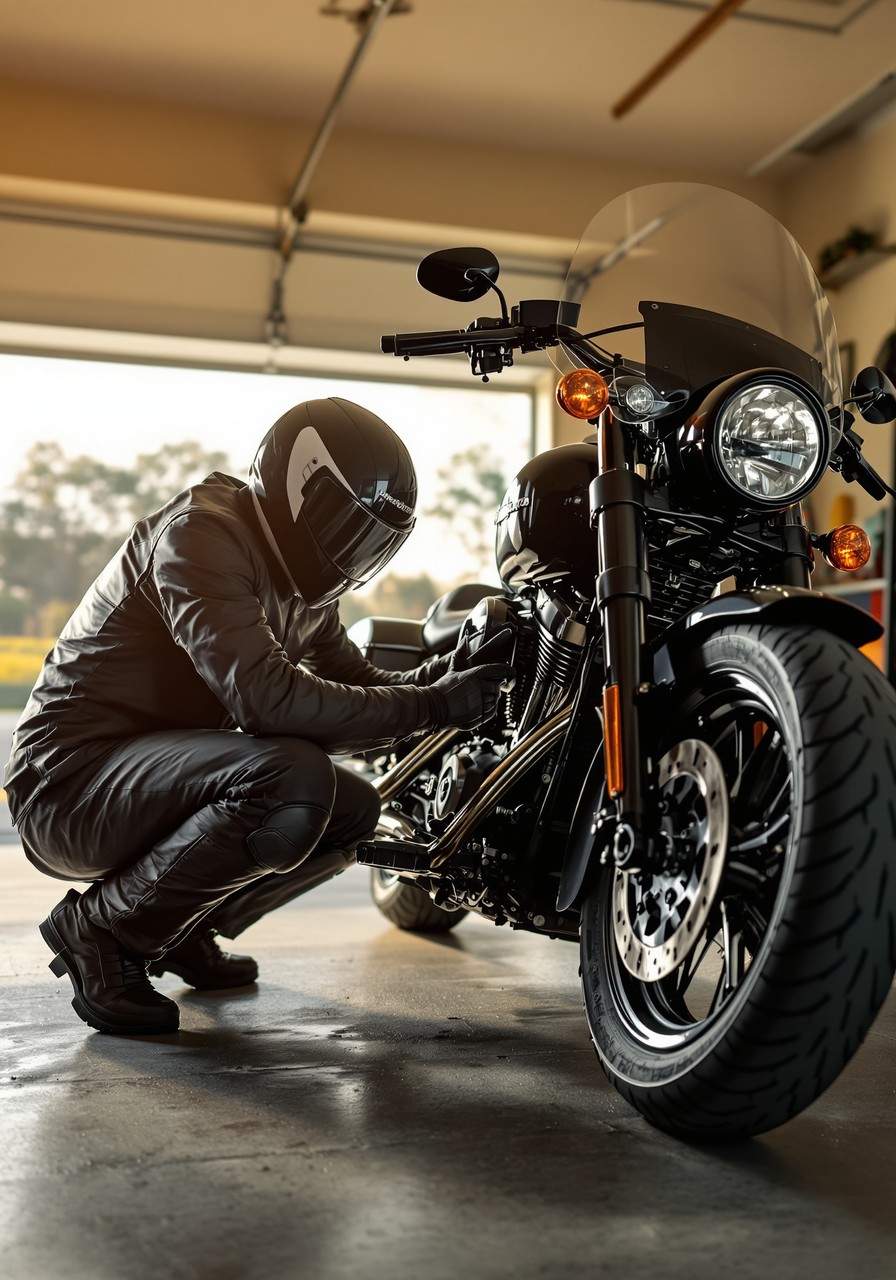
Whatever new iron you bring home, budget for gear too. The bike is the easy part, protecting yourself on hot Florida roads is the rest. #RideNationFL #NewIron #GearUp
Safety & FL Law
Know your rights before you need them. Florida gives you 2 years to file, no PIP on a bike, and a 51 percent fault bar. That is a lot to navigate alone. Free to talk with Jason Melton, 352-666-6666. #RideNationFL #FloridaLaw #KnowYourRights